




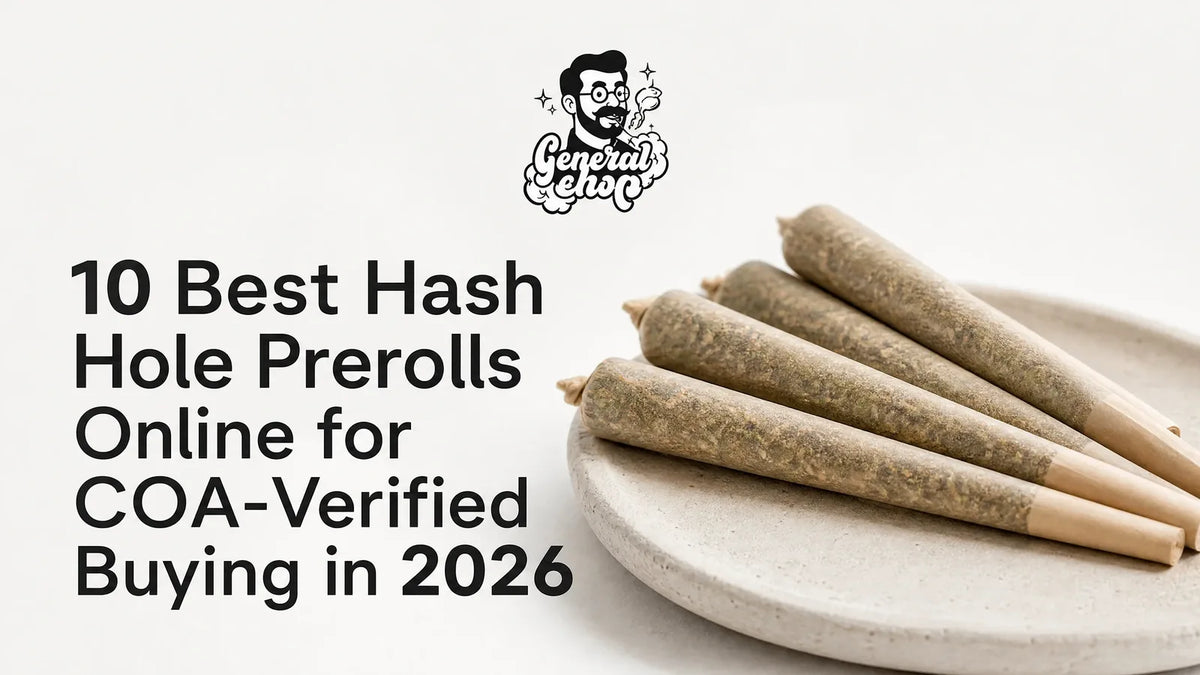
You can buy the best hash hole prerolls online by shopping a retailer that posts a batch-matching third-party COA, blocks non-shippable states at checkout, and clearly labels the infusion format. If a shop cannot prove those three things on the product page, it is not a “best” pick, it is a gamble.
Here’s what matters most right now:
- A real COA is batch-specific, with a sample or batch ID that matches the listing.
- The product name on the label and the COA must match exactly, not “close enough.”
- If the core structure is not explained, assume you are paying for marketing.
- Burn consistency cues start with a centered core and a firm, even roll.
- State-by-state shipping compliance should be confirmed before you pay, not after.
- Cost per gram beats sticker price when you compare infused prerolls fairly.
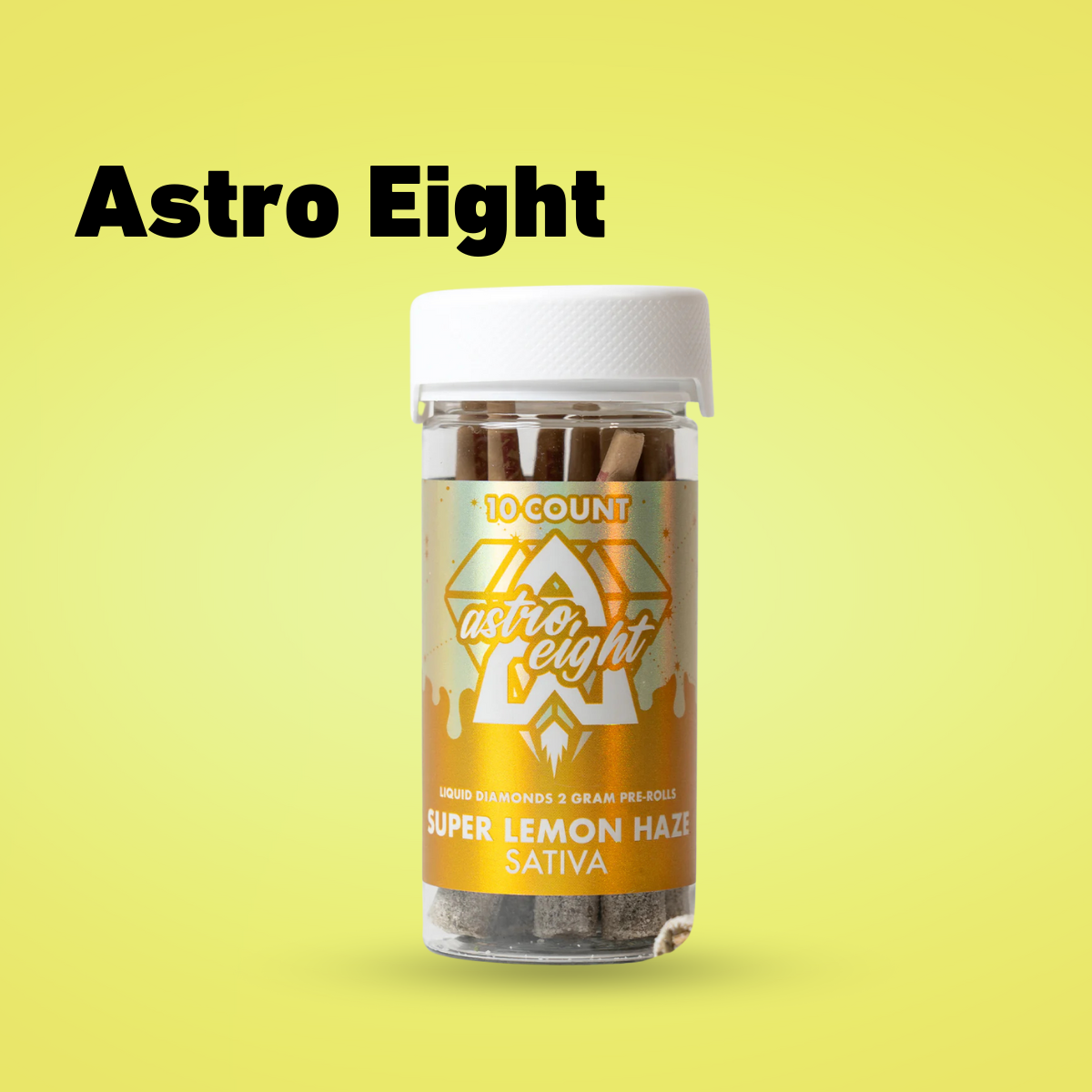
At General Shop, we carry specific infused preroll formats and focus on cutting through product confusion so you can verify what you are buying. If you want a budget-leaning hash hole preroll that still fits a COA-first buying standard, we start with Hidden Hills Mini Mart Hash Hole Prerolls at $5.99, then contrast alternatives like Venera Honey Hole Pre Rolls, Zour Stash Diamond Infused THCP Prerolls, and Astro Eight HTE Pre Rolls so you can choose the infusion style you actually want.
Let’s start with the COA-first budget hash hole pick, including what to check on the listing before you add it to cart.
1. The COA-first budget hash hole pick

If you are worried about paying premium pricing for a weak infusion or a joint that burns unevenly, start with a budget hash hole preroll you can actually verify: Hidden Hills Mini Mart Hash Hole Prerolls. The value here is structural and practical, not hype: a flower exterior with a hash core, in a mini size that is easier to finish before heat and handling degrade the burn.
Before you buy, confirm the COA matches the exact unit you are ordering: product name on the listing and label, batch or sample ID, and a complete panel that includes potency plus contaminant results. COA documentation standards also expect basic lab identifiers and an authorized sign-off, which helps you avoid generic, recycled reports.
Then do a cost-per-gram sanity check. At $5.99, divide your price by the grams on the package and compare that number to other hash hole prerolls, not to non-infused joints.
2. The alternative core for shoppers avoiding hash
A honey-core preroll gives you the same core-infused format without asking you to trust a “hash hole” claim you cannot verify. Venera Honey Hole Pre Rolls are built around a honey concentrate core with a filter tip, so the listing should explicitly say honey (not hash) and describe it as a honey hole style product rather than a hash core.
The scam risk usually shows up as vague infusion language. Look for product pages that state the infusion type in plain terms and avoid listings that only say “infused” with no core description.
Verification still decides whether it is worth buying online: confirm a batch-specific COA is available, then check that the product name on the label matches the COA name, and that a lot or batch identifier on the package matches what the COA reports. COA documentation standards also expect basic lab identifiers like an authorized signature and contact details, which is a quick legitimacy check before you rely on any potency number.
3. The strongest-claim lane, treated as a verification test

The highest-potency claims are only worth paying for when you can prove the formulation on paper. With Zour Stash Diamond Infused THCP Prerolls, that means the listing should clearly state THCP plus diamond crystal infusion, then the COA cannabinoid table should match what the product page implies you are buying, not just a generic “total cannabinoids” number.
Use the COA like a pass-fail check: product name and batch or sample ID should align with the exact item sold, and the reported cannabinoids should reflect a THCP-forward profile consistent with diamond-infused material. Potency claim red flags show up fast:
- A COA posted, but it is for a different product name, flavor, or batch
- Claims like “strongest” or “100% diamonds” without a cannabinoid breakdown that supports it
- Numbers that jump dramatically between batches with no explanation on the listing
- A product page that markets THCP, but the COA does not clearly report it
4. The flavor-forward infused preroll for terpene shoppers
Paying a premium for “flavor” only makes sense if the infusion is terpene-forward and actually documented. Astro Eight HTE Pre Rolls are built for that shopper, using High Terpene Extract (HTE) infusion to push aroma and taste rather than chasing the biggest potency headline.
HTE means the infusion is designed to carry a high terpene fraction, so expectations should be: louder nose, clearer strain character, and a more aromatic smoke. It does not automatically mean a stronger product, and it also will not fix poor construction.
Before you buy, use the COA as a reality check. Confirm the cannabinoid panel matches the product listing, then look for a terpene panel that names individual terpenes and shows a meaningful total, not just “terpenes: present.” COA documentation standards also matter, including basic lab sign-off details.
5. The best hash hole prerolls online for burn consistency cues

Bad burn in a hash hole preroll usually comes down to two things you can screen fast: an off-center core or uneven packing that creates hot spots. Before you open the tube, look for a straight, uniform cylinder with no soft “hinge” points, and a tip-to-cherry taper that is consistent. Once opened, a gentle roll between fingers should feel evenly firm, not crunchy in one section and airy in another.
The filter tip should sit flush with the paper seam and not wobble. If the tip is loose, you will get false airflow and harsher pulls because you are pulling extra air around the mouthpiece instead of through the flower and core.
At first light, use a slow-draw approach: toast the edge while rotating, take short, controlled pulls to set an even ember, then pause between draws so the core heats progressively instead of tunneling and canoeing.
6. The pick for shoppers who fear fake COAs

Fake COAs are usually caught by simple mismatches, not lab chemistry. Start by checking the lab name and the sample ID: the COA should clearly identify the testing lab, and the sample or batch identifier on the COA should match what the listing or package claims. If a seller cannot tell you which exact sample was tested, “lab-tested” is just a slogan.
Next, sanity-check the timeline and naming. The COA date should be plausibly recent for the specific product, the product name should match word-for-word (not “close enough”), and batch language should be consistent across the listing, label, and report.
Finally, watch for red-flag cues: potency numbers that look unrealistically perfect, copied-and-pasted formatting across multiple products, missing signatures or lab contact details, or a COA that reads like a screenshot with key fields cropped. COA documentation standards expect an authorized sign-off and lab identifiers, not a results-only graphic.
7. The compliance-first pick for state shipping certainty
State shipping certainty comes from two checks: you confirm your state rules before you pay, and the checkout enforces them without exceptions. Do not rely on a product page that only says “legal in all 50 states” or similar blanket language.
Before payment, confirm: your shipping state is eligible today (not “generally”), the address you enter matches that state, and any age gate is actually completed. Save your order confirmation and the COA for documentation, since COA documentation standards include clear lab identifiers and signoff.
A compliant checkout should hard-block restricted destinations: it should prevent payment, not “accept the order” and cancel later.
For deliverability, expect routine carrier handling. Look for clear policies on: signature or ID requirements, tracking updates, and what happens if a package arrives crushed, tampered with, or missing product.
8. The value pick that uses cost per gram correctly

Sticker price is a trap with infused prerolls. Value is cost per gram: take the total price and divide by total grams in the tube or pack (a $9.99 4g pack is $2.50 per gram; a $5.99 1g is $5.99 per gram).
Compare apples-to-apples by keeping infusion types separate: a true hash hole preroll has a defined hash core, while honey hole, diamond-infused, and HTE prerolls change what you are paying for and how it burns. Use cost per gram within the same infusion style first, then decide if the different format is worth the premium.
Cheap can also mean the core is thin, uneven, or under-dosed relative to the flower exterior, which shows up as a weaker midpoint and a less consistent burn.
9. The tolerance-aware pick for avoiding an overwhelming session
The cleanest way to avoid an overwhelming session and buyer regret is to buy session control, not the biggest infusion claim. Mini size hash-infused prerolls do that by limiting total material, so you can stop at a comfortable point without committing to a long burn where the hash core can start running or the paper can canoe.
Pacing matters as much as the product. Light gently while rotating, then take slower, controlled pulls and put it down between draws so the core heats evenly. Rapid chain-smoking is the fastest path to a harsh, uneven burn that feels like “premium price, wasted smoke.”
Choose a non-hash infusion when you want a different priority than a hash-forward core: Astro Eight HTE Pre Rolls for terpene-forward flavor, or diamond-infused formats like Zour Stash Diamond Infused THCP Prerolls when a distributed infusion feels easier to manage than a dense center core.
10. The discreet storage add-on that protects quality
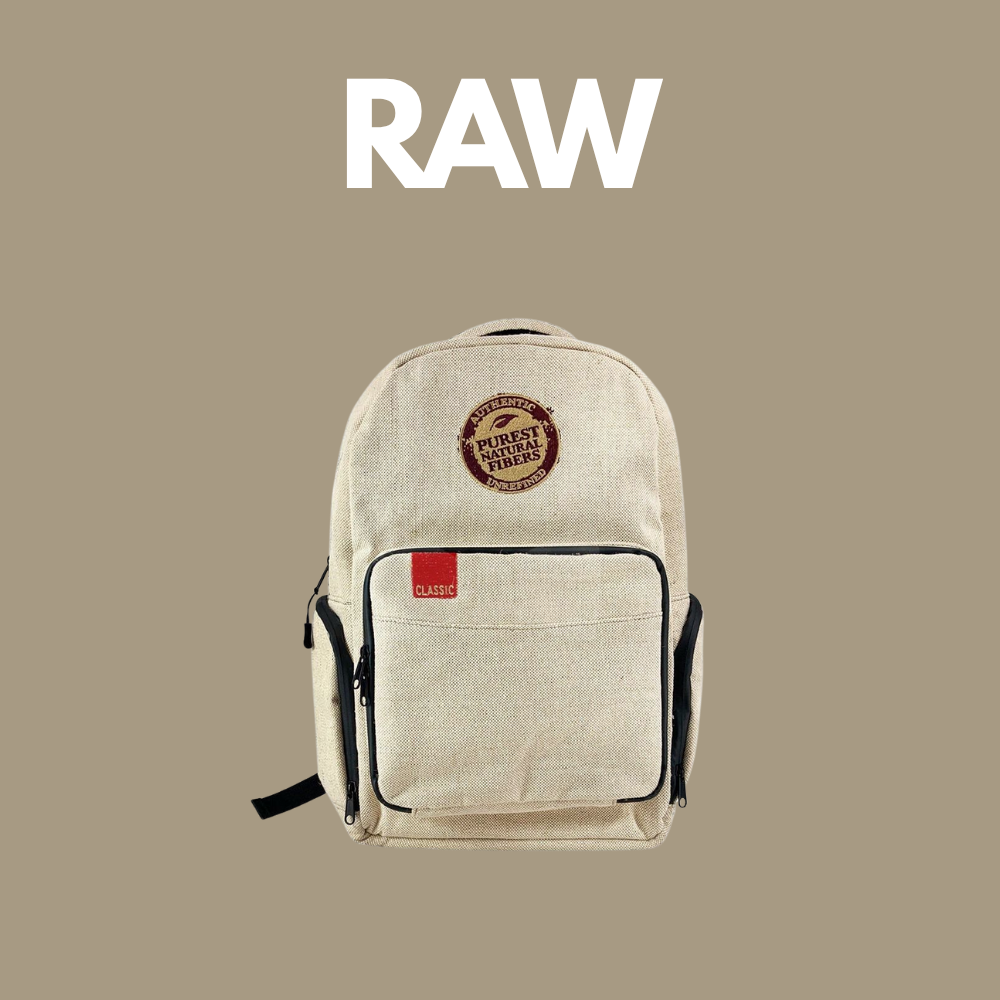
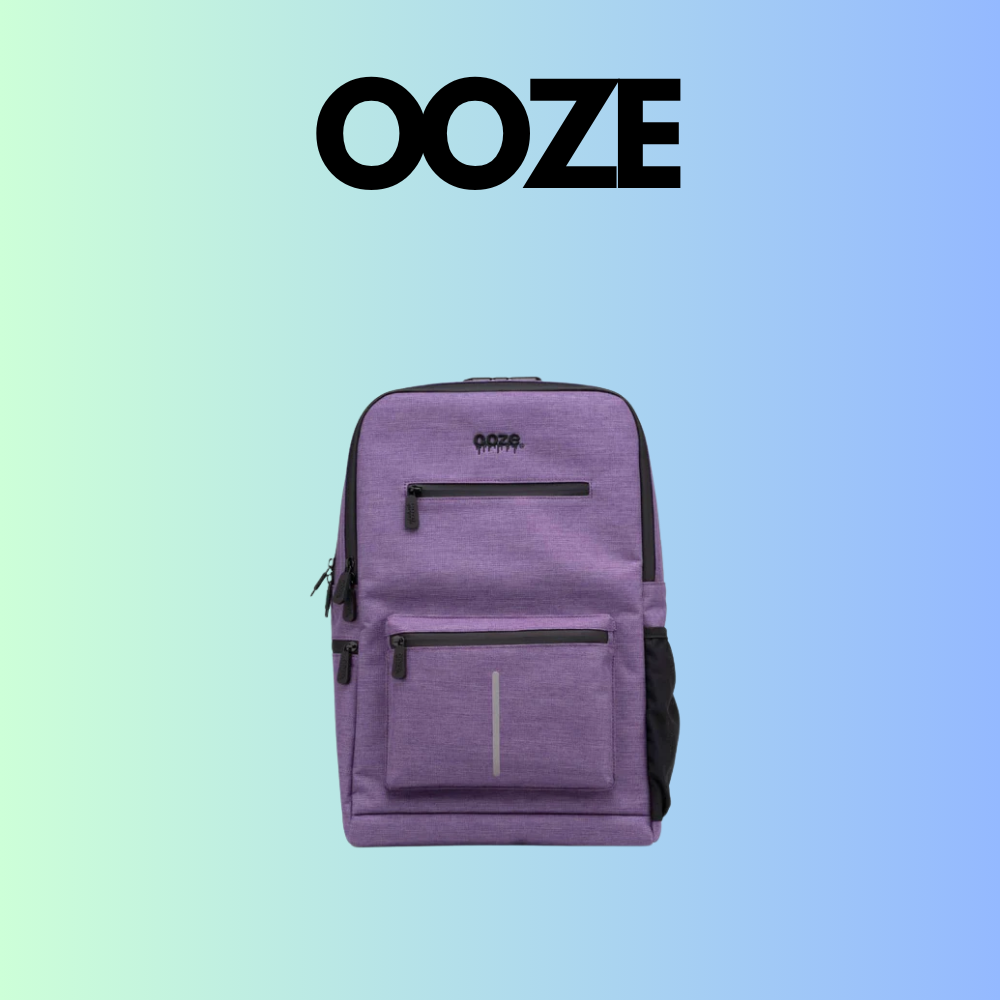
A smell-proof stash bag is the simplest add-on that makes hash hole prerolls easier to live with after delivery: it cuts odor transfer in a backpack or drawer and gives you a single, consistent place to store them. Freshness is mostly humidity control. Too dry and the rolling paper and flower exterior burn hotter and harsher; too humid and you risk a tight draw and uneven burn around the hash core.
Keep prerolls in a stable, moderate environment, away from heat and direct light.
Physical protection matters as much as humidity. Hash-infused joints are denser than standard prerolls, and a crushed tip or bent filter can turn a clean pull into a frustrating clog. Use a bag with a semi-rigid shell or add a hard tube inside so your prerolls stay straight and intact.
Make your next hash hole buy verifiable, not hype-driven
If you want a straightforward, budget-friendly entry into a hash-infused preroll, start with Hidden Hills Mini Mart Hash Hole Prerolls at $5.99 and verify it before you check out. We built our listings around the details that matter in real life: a third-party COA you can match to what is being sold, clear language about the infusion format, and checkout that helps you avoid ordering into a non-shippable state.
Use the same quick protocol you just learned. Confirm your state is eligible for shipping, then open the COA and match the product name and batch or sample ID to the product in your cart. Once it lines up, place your order, then add a smell-proof stash bag so your prerolls stay discreet and protected from being crushed in storage.
Frequently Asked Questions
Are hash hole pre-rolls good?
They can be a strong, convenient option because the flower exterior burns around a hash core, which changes both intensity and burn behavior versus a standard preroll. Your outcome depends less on marketing and more on whether you can verify a batch-matching COA and confirm the infusion is described clearly.
What is the strongest pre roll you can buy?
“Strongest” is only meaningful when the cannabinoid claims match a third-party COA for the exact batch you are buying. If you are comparing high-potency formats, Zour Stash Diamond Infused THCP Prerolls are positioned in the strongest-claim lane, but you should treat that as a verification test first, not a guarantee.
What pre-roll gets you the highest?
No preroll can honestly promise the same peak result for every reader because tolerance, pacing, and infusion style change the session. If you want the best chance of avoiding disappointment, pick the preroll you can document with a matching COA and then smoke it with slower, controlled draws to keep the core burning evenly.
What is the difference between a hash hole preroll and a regular preroll?
A hash hole preroll is a core-infused joint, meaning it has a hash or concentrate center surrounded by flower, while a regular preroll is flower-only. That core is the reason hash hole prerolls typically burn differently and can feel more intense per puff.
How do I calculate the value of a hash hole preroll?
Divide the price by the total grams to get cost per gram, then compare across similar infusion types so you are not mixing apples and oranges. After that, sanity-check the value against the COA so you are not paying extra for numbers you cannot verify.


Leave a comment
This site is protected by hCaptcha and the hCaptcha Privacy Policy and Terms of Service apply.