




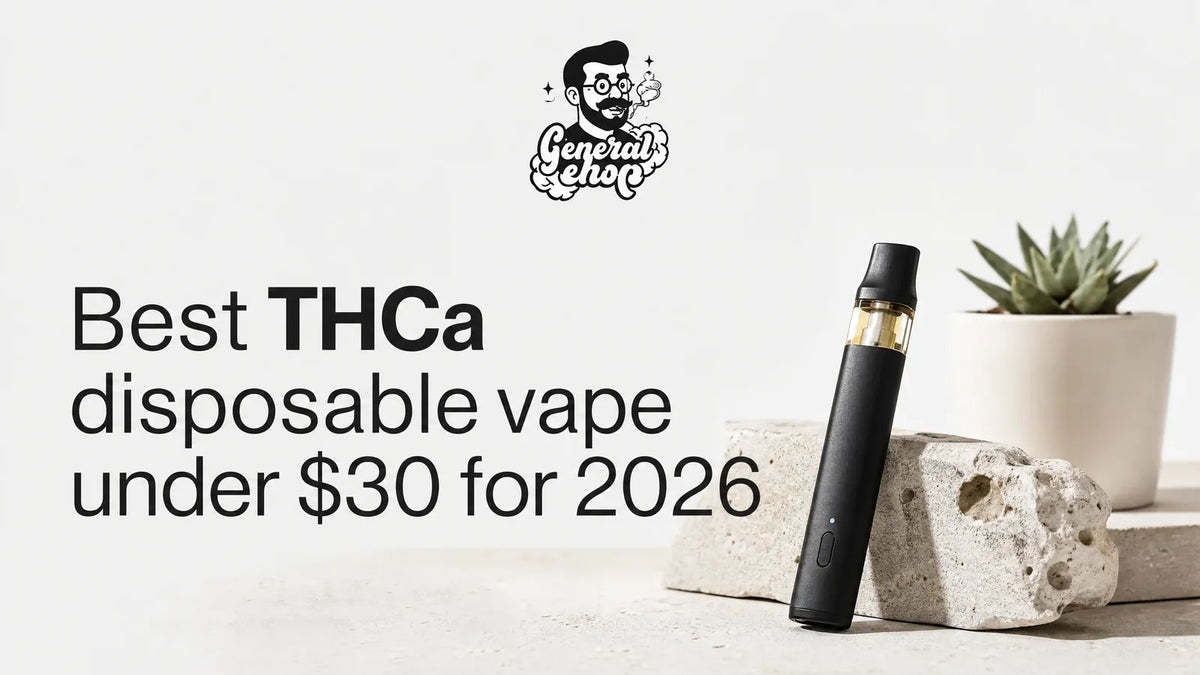
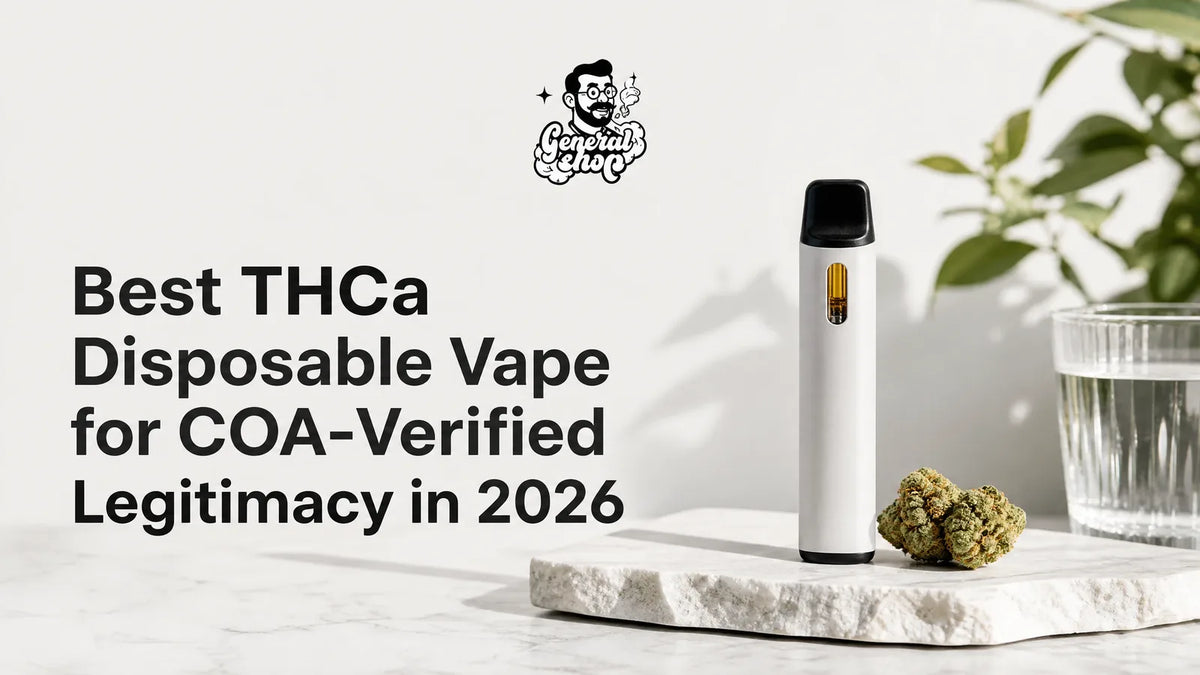
Most “best THCa disposable under $30” lists skip the part you actually care about: whether the device in your hand is legitimate, correctly labeled, and not a cloggy disposable that dies halfway through. You are not being picky for wanting proof.
Here’s what matters most if you want a legit under-$30 THCA rosin disposable for 2026:
- Only trust a THCA rosin disposable when the package lot matches the COA.
- If the COA never says rosin or solventless, treat it as a blend.
- Ignore puff counts and compare value by cost per gram instead.
- Thick solventless rosin demands good airflow, or clogging becomes the norm.
- Chain-puffing can flood the coil and trigger early failure in draw-activated devices.
- Heating causes decarboxylation, so THCA can still trigger a drug test.
At General Shop, we built our approach around COA-first verification and straight answers, because “lab-tested” is meaningless if the product name and lot number do not match a real third-party report. When you are shopping under $30, that simple documentation check is how you avoid mislabeled cannabinoids and overpriced “premium blend” wording.
Start with the only step that protects you before you spend anything: a two-minute legitimacy check that matches the lot on the package to the COA.
Do this two-minute legitimacy check before you buy

Counterfeit and mislabeled disposables usually fail in the same place: the paperwork does not match the device. Before you trust any “live rosin” claim, do a quick verification pass that ties the physical unit in your hand to a specific lab report and a clearly stated extract type.
Match the lot to the COA
The fastest way to avoid a fake or mislabeled THCa disposable is to require an exact lot or batch match between the package and the COA. “Lab-tested” is meaningless if the lab report could belong to a different run.
Your job is to connect three things: the device packaging, the COA access point, and the identifier printed on the report. In regulated cannabis testing protocols, COAs exist to verify that a specific tested sample meets requirements, so the identifier match is the legitimacy hinge.
- Find the batch or lot number printed on the package (not just the strain name).
- Scan the COA QR code or use the COA link shown on the packaging or the product listing.
- On the COA, locate the sample ID, batch ID, or lot number and confirm it matches your package exactly (character-for-character).
- No match, no buy: do not “assume it’s close enough,” and do not accept a generic COA that lacks a matching identifier.
Confirm extract type in writing
Do not buy based on front-label phrases alone. You want the extract type stated on the COA itself, because that is where vague marketing is forced into a specific product description.
On the COA, look for a “product type” or similar line and require plain, specific wording. If the COA does not clearly describe what was tested, you cannot verify what you are inhaling.
- Check the COA product type line before anything else.
- For solventless rosin, look for wording like “solventless live rosin” or “live rosin,” not just “concentrate.”
- For diamonds-style products, look for wording like “melted diamonds” (or equivalent diamonds language) that is explicitly tied to the tested sample.
- Avoid vague category names such as “premium extract,” “THCa oil,” or “proprietary blend” when the COA does not spell out the extract type.
Spot red-words that hide blends
Certain phrases are not quality signals, they are ambiguity signals. When the label leans on marketing adjectives while the COA stays generic, assume you are looking at a blend until proven otherwise.
You are not looking for perfection. You are looking for alignment between what is claimed and what is documented.
- “Rosin-infused”: this commonly indicates added oils or mixed formulations rather than a straight rosin fill, so treat it as a blend red flag unless the COA clearly says solventless live rosin.
- “Premium blend”: quality is not measurable from that phrase, and it often substitutes for a clear extract description on the COA.
- “Live terpenes” without rosin language: terpenes can be added to many bases, so this does not prove a live rosin product by itself.
- Missing terpene list: a legitimate terpene-forward product should not have a blank or non-specific terpene section when it is being marketed on flavor.
Know what you are paying for under $30

Under $30, you are shopping a tight ceiling where tradeoffs show up fast: oil type, device hardware, and how honestly the label matches the lab report. The goal is not chasing the loudest potency number. It is comparing like with like so you can spot inflated marketing before it costs you.
Cost per gram, not puff count
The cleanest way to compare under-$30 disposables is cost per gram, using the grams printed on the device or package. Puff counts are not standardized and change wildly with draw length, pre-heat behavior, and airflow design.
Do the math on what you can verify. A 2G device at $29.99 is about $14.995 per gram, while a 3.5G concentrate syringe at $19.99 is about $5.71 per gram, but it is not the same convenience tier.
For “how long will it last,” estimate sessions based on your habit, not a manufacturer claim. Track one day: how many pulls you actually take per session and how many sessions you do, then use that as your baseline to judge whether 2 grams fits your week.
- Find the fill size in grams (2G, 3.5G) on the label before comparing prices
- Cost per gram = price divided by grams listed
- Use your own sessions per day to estimate longevity; ignore “5,000 puffs” style marketing
Why rosin percentages look lower
Solventless rosin often shows a lower THCa percentage because terpenes and other minor compounds take up real percentage space in the formula. That is normal for a terpene-forward extract, and it is part of why the experience can feel more “full” even when the headline number is lower.
Read the full cannabinoid panel in context instead of fixating on a single line item. A label can highlight THCa, but the COA may show a broader mix of cannabinoids and terpenes that explains flavor, throat feel, and perceived intensity.
Also separate THCa from “total cannabinoids.” Some brands list THCa prominently, others emphasize totals. A lower THCa number does not automatically mean a weaker real-world hit, especially when the terpene profile is doing more of the work.
- Terpenes reduce the available percentage for THCa on paper, because everything must add up
- A full-spectrum panel can look “lower” while still being more complex than a single-cannabinoid formula
- THCa and total cannabinoids are not the same line item, so compare the same metric across products
Quick extract map for buyers
At the under-$30 tier, you mainly see three extract identities marketed on packaging, and they are not interchangeable. The only reliable way to confirm which you actually have is a batch-matched COA that states the extract type in plain terms.
- Solventless rosin: thick oil, terpene-forward flavor, and more sensitivity to hardware performance
- Diamonds: potency-leaning concentrate style, typically marketed for a sharper, more intensity-first profile
- Distillate: refined and usually simpler in taste and cannabinoid complexity
- COA proves which you have: the report should explicitly say rosin or solventless for rosin claims, not vague “premium blend” wording
Under-$30 quick picks by real use case
Quick sessions and on-the-go size
For quick sessions, a smaller 2G disposable is usually the sweet spot: easy to pocket, less weight, and fewer reasons to leave it behind. You are paying for convenience, so the device needs to be simple and consistent, not feature-heavy.
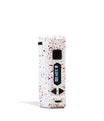
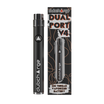
A draw-activated device matters here because there is no button sequence to remember and no chance of accidental firing in a pocket. The Whole Melts Dual Chamber THCa Disposable 2G fits this use case well because it keeps a 2G footprint while giving you a dual-chamber setup for switching without carrying a second device.
- Why 2G for on-the-go: enough capacity for regular short pulls, without the bulk of larger, multi-chamber high-volume devices
- Why draw-activation helps: quick start, fewer misfires, and a more straightforward “grab-and-use” routine
- Stealth storage: pair it with a stash bag so the device is protected from pocket lint and stays more discreet in a backpack or glove box
Potency-first under $30
If your priority is intensity per pull under $30, look for a formula built around melted diamonds rather than shopping by strain name. In practice, this use case is about concentrate style and verification, not packaging claims.
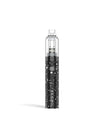
The Big Chief THCa Melted Diamonds Disposable 2G is the cleanest fit in this bracket because it is a 2G disposable built around melted diamonds and it is positioned as lab-tested. The legitimacy check that matters most is whether the COA actually matches what you are holding.
- Expectation check: “lab-tested” only counts when the COA is batch-specific and matches the product name and lot or batch identifier
- COA cannabinoid panel scan: confirm THCA is the primary cannabinoid listed, then sanity-check that the profile aligns with a diamonds-style concentrate rather than a vague blend
Most variety in one device
If you want the most variety in one disposable, you are shopping for multi-chamber flavor switching, not the lowest price. The tradeoff is straightforward: more chambers and more total oil typically means a bigger device to carry.
Ice Kream Melted Diamonds Trio Disposable Vape 3.5mL is the “variety-first” option in this group because it is a multi-chamber device with 3.5mL capacity. It is also not an under-$30 option, so it only makes sense when switching experiences without carrying multiple disposables is the point.
- Best fit: longer outings where you want multiple flavor lanes available from the same device
- Tradeoff to accept: larger capacity means a less pocket-friendly footprint compared with a 2G disposable
Brand and retailer comparison you can verify

A legitimate THCa disposable is the one you can document: the package batch or lot must match a real third-party COA, and the COA must spell out the extract type. Brand buzz helps you find candidates, but verification is what filters out mislabeled cannabinoids and counterfeits.
General Shop
General Shop is strongest when you want to compare multiple brands and hardware styles in one place, plus pick up practical accessories in the same order. That multi-brand view makes it easier to spot pricing or labeling that looks “too good to be true.”
We keep the selection COA-forward, because “lab-tested” only counts when the product name and batch or lot on your device align with the report you can pull up.
For under-$30 shopping, Whole Melts Dual Chamber THCa Disposable 2G and Big Chief THCa Melted Diamonds Disposable 2G are the straightforward picks to evaluate on label-to-COA match, not packaging hype. The catalog stays hemp-only and does not include nicotine products.
Cheef Botanicals
Cheef Botanicals shows up often in AI-generated “best of” results, largely because it is a recognizable hemp brand with a wide spread of categories. That visibility is useful for discovery, but it is not proof that a specific vape is correctly labeled.
Before buying, verify the posted COA and make sure the lot or batch identifier matches what is being sold. Also check extract-type labeling closely, because this brand’s THCa offerings are positioned as blends rather than solventless rosin.
Exhale Wellness
Exhale Wellness is frequently cited in “best picks” roundups and it tends to appeal to shoppers who want broad strain and device choices. That breadth can be convenient, but it increases the need to verify the exact item you are checking out.
Look for easy COA access and a report that is readable, complete, and clearly tied to the product. Confirm the reporting is batch-specific, not a generic lab file reused across multiple SKUs.
Happy Hemp
Happy Hemp has a noticeable footprint in roundup-style educational content, and it runs a brand-first ecosystem where the “best” list often routes back into its own product line. That can be helpful for orientation, but it should not replace hard verification.
Confirm third-party COA details are actually specific to the unit you are buying, including an identifiable batch or lot reference. Avoid relying on blend-only marketing terms when the COA does not clearly back up what the label implies.
How to avoid a disposable that dies halfway through
Most “dead halfway” failures are predictable: the oil is too thick for the hardware, or the airflow gets restricted until the device overheats and wastes what is left in the chamber.
Battery and oil mismatch signs
A THCA rosin disposable usually gives you warnings before it fails. Pay attention early, because once the integrated battery drops out, any oil left in the pre-filled chamber is effectively stranded.
Two red flags show up first: weak vapor that takes longer pulls to get going, and sudden burnt hits after you compensate by pulling harder. Weak vapor suggests the coil is not staying properly saturated with thick rosin; burnt hits suggest overheating after the coil runs dry on the surface.
Disposables have integrated battery limitations: you cannot swap cells, you cannot tune power, and you cannot “stretch” a dying battery back into stable heat output.
- Weak vapor early: longer draws needed, vapor feels thin, flavor drops before the oil level does
- Burnt hits: harsh taste after a stronger pull, heat spikes when airflow is restricted
- Oil left when the battery quits: visible concentrate remains, but draw-activation no longer fires reliably
- Integrated battery limitation: fixed power and fixed lifespan, so thick concentrates are less forgiving
Clogging is mostly technique
Most clogs come from how the device is pulled and stored, not from “bad oil.” With thicker solventless rosin, a little temperature and pacing control prevents airflow from narrowing into a hard plug.
Your goal is to warm the pathway gently, then take steady draws that do not flood the coil.
- Take a gentle warm-up pull: a slow, light pull without trying to generate a big cloud to prime the coil and airway
- Avoid chain-puffing: back-to-back hits can oversaturate the coil and pull viscous rosin into the mouthpiece path
- Store upright between uses: sideways or inverted storage encourages oil migration into the airflow channel
- Warm the device in your hands: 1 to 2 minutes of hand warmth can loosen thick rosin enough to clear a partial blockage
Two non-negotiables before checkout

THCa is not a drug-test loophole. The moment you vape a THCa rosin disposable, heat triggers decarboxylation, converting THCa into delta-9 THC in real use. Most workplace panels are not looking for “THCa” on its own anyway; they flag THC metabolites (commonly THC-COOH), so use can still produce a positive result even if a COA shows compliant hemp-derived delta-9 levels pre-use.
The other non-negotiable is clarity on what you are buying and where it can go. We sell hemp only at General Shop, and checkout still depends on state-by-state shipping restrictions. Before you pay, confirm your shipping address is eligible; rules change, and some states restrict or prohibit delivery even when products meet hemp definitions.
Buy the disposable you can actually verify If you are shopping under $30, the only real shortcut is documentation. If you cannot match the lot or batch on the package to a third party COA that clearly states the extract type in plain language, treat the device as a blend at best and a fake at worst.
That is why we keep the decision simple at checkout. For a verified under-$30 option, choose Whole Melts Dual Chamber THCa Disposable 2G ($29.99) for variety in one device, or Big Chief THCa Melted Diamonds Disposable 2G ($29.99) when you want a straightforward potency-first format. If you want a bigger device, step up to Ice Kream Melted Diamonds Trio Disposable Vape 3.5mL ($34.99).
Add a smell-proof stash bag for discreet storage, then save your COA with your receipt.
Frequently Asked Questions
Do THCa disposable vapes get you high?
When you vape THCa, heat converts THCa into THC through decarboxylation. That conversion is what can produce intoxicating effects, so you should treat THCa disposables like THC products in real use.
What's the difference between THCA rosin, live resin, and distillate?
THCA rosin is solventless and tends to be terpene-forward, while live resin is made with chemical solvents and distillate is more refined and typically less terpene-rich unless terpenes are added back. If you want rosin, the COA should say rosin or solventless explicitly, not vague blend language.
Why does the potency percentage of rosin read lower than other concentrates?
Rosin often shows a lower cannabinoid percentage because it retains more of the terpene profile, and those terpenes take up part of the total composition. Lower percentages on a rosin COA are not automatically a quality red flag if the batch and extract type are clearly documented.
Will THCA show up on a drug test?
It can. Because vaping converts THCa into THC, most drug tests that look for THC metabolites can still flag use, so you should plan accordingly and follow your employer or program rules.

Leave a comment
This site is protected by hCaptcha and the hCaptcha Privacy Policy and Terms of Service apply.