







Buy the disposable vape that matches your effect goal and budget, then verify it is third-party lab tested and built to last its full gram size without clogging or burning out.
Here’s what matters most right now:
- Grams mean oil capacity, not how strong the hits will feel.
- A 1G disposable pen is best for trying strains and travel-friendly use.
- A 2G hemp disposable often balances value with portability for daily use.
- A 7.5G all-in-one disposable is for longer runs between replacements.
- Cannabinoid blend choice can shape effects, like THCA vs THCV vs THCP.
- Third-party lab tested results help confirm the label matches the oil.
- Reliability red flags include clogs, burnt hits, and devices that stop early.
- Orders typically require 21+ age confirmation and depend on state restrictions.
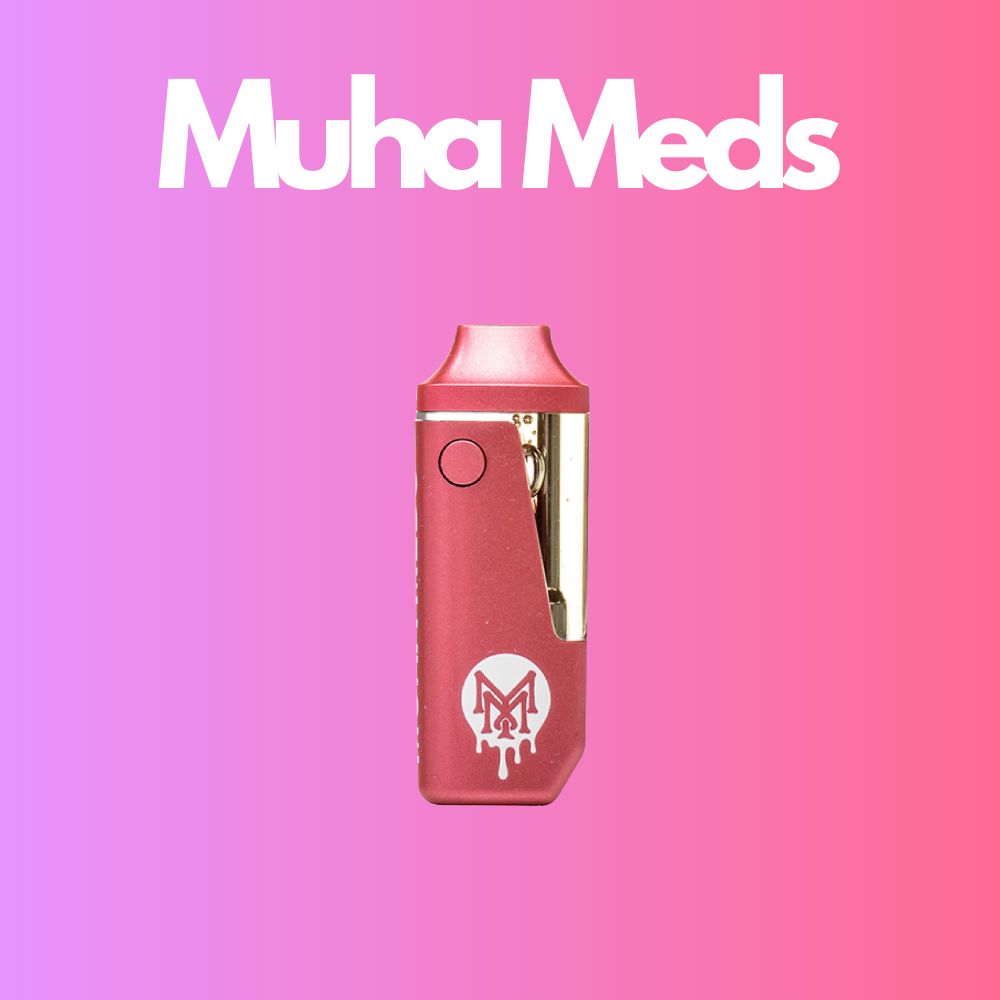
At General Shop, we stock 79+ disposable vape options and focus on lab-tested cannabinoid blends, including choices like Muha Meds Hemp Disposable and Geek THC-X MAXXX OUT CB9A THCP THCV Disposable 7.5G, so you can compare grams, blends, and trust signals without guessing. We also keep it straightforward on compliance: you will see 21+ age gates at checkout, shipping visibility with tracking, and clear notes that hemp-derived legality can vary by state and by cannabinoid.
First, let’s get clear on the one spec that drives everything else: what grams actually change in a disposable, in plain terms.
What grams change in a disposable, in plain terms
 In disposables, “grams” is mainly about how much cannabinoid oil the device holds, not how strong the oil is. That matters because bigger numbers can mean fewer replacements, but it can also raise the odds of flavor fading or performance issues before you finish the oil.
Grams equals oil capacity
Grams on a disposable tells you the oil capacity: how much oil is pre-filled inside the device. It does not automatically tell you how strong each puff will feel, because potency depends on the cannabinoid blend and formulation.
How long it lasts comes down to two things: your draw habits and how efficiently the device turns oil into vapor over its full lifespan. A 2G option usually stretches further than a 1G, but “twice the grams” does not always feel like “twice the impact” if the blends are different.
Where grams really helps is reducing how often you have to replace the whole device. Because disposables are single-use, a higher-capacity option can help you avoid running out at inconvenient times and buying again sooner than planned.
Value per device is easiest to think about as cost per gram, then sanity-check with quality signals like third-party lab testing and a reputation for finishing the full fill without tasting burnt or quitting early.
- More grams typically means more sessions before the oil is depleted
- Higher capacity can reduce replacement frequency since you are not refilling anything
- “Better value” is usually lower cost per gram, as long as the device actually performs through the end
Bigger is not always better
Higher-gram disposables can be convenient, but they also ask the device to stay consistent for longer. If you are worried about paying premium money and ending up with weak hits or muted flavor later, size is only part of the story.
Taste fade over time is common because the coil and oil get repeatedly heated, and the flavor profile can flatten as the device ages. Even with a great starting flavor, the last portion may not taste as bright as the first.
Clog risk basics: thicker oil, frequent back-to-back pulls, and cold storage can all make the oil move slower. That can lead to partial blockages in the airflow path or residue near the mouthpiece, especially as a device sits between uses.
You should generally stay small if you rotate flavors often, use infrequently, or you have had past devices clog before finishing. A 1G or 2G is also a cleaner choice when you want the freshest taste from start to finish.
- Stay smaller if flavor is your top priority and you dislike “end-of-device” taste changes
- Stay smaller if you only take occasional pulls and a device may sit unused for days
- Stay smaller if you have a history of clogs and want fewer long-run variables
Quick-pick table: 1G vs 2G vs 7.5G options
 For most shoppers, grams is the fastest way to narrow your choices: 1G is for trying flavors and keeping it compact, 2G is the everyday middle, and 7.5G is for longer runs between replacements. Your next filter is the cannabinoid blend and strain, then you sanity-check reliability with third-party lab testing notes.
Side-by-side comparison table
Use this table to shortlist by size, blend, and strain first, then confirm the device has clear third-party lab testing notes. Grams tells you how long it can last, but the blend and testing notes tell you whether it is likely to match your effect goal and label claims.
- 1G: Commonly strain-forward options (example strains we carry in this size: Abra Cadabra, Animal Mintz, Apples Bananas, Space Candy, Sunset Sherbert). Lab-tested notes: look for a posted third-party COA and clear cannabinoid breakdown. Best-fit: sampling strains, lighter commitment, maximum portability.
- 2G: Often chosen for daily rotation with more strain variety (example strains we carry: Apple Sauce Rocks, Cherry Sherbet, Jack Herer, Mango OG, Strawberry Diesel).
Lab-tested notes: confirm the batch report matches the product listing and is easy to find. Best-fit: balanced value, fewer swaps than 1G without going ultra-large.
7.5G: Typically a high-potency cannabinoid blend format (example: Geek THC-X MAXXX OUT CB9A THCP THCV Disposable 7.5G). Lab-tested notes: you want third-party testing plus a clearly stated blend so you know what you are buying.
Best-fit: longest runtime per device, fewer replacements, people prioritizing stronger, more pronounced effects.
What we see in support is that most “bad disposable” complaints start with skipping the lab-tested check or buying a size that doesn’t match how often you actually reach for it.
Named options worth comparing
Brand matters, but your fastest apples-to-apples comparison is still grams plus lab visibility. Here is how the common names stack up when you are shopping by size, effect goal (via blend), and reliability signals.
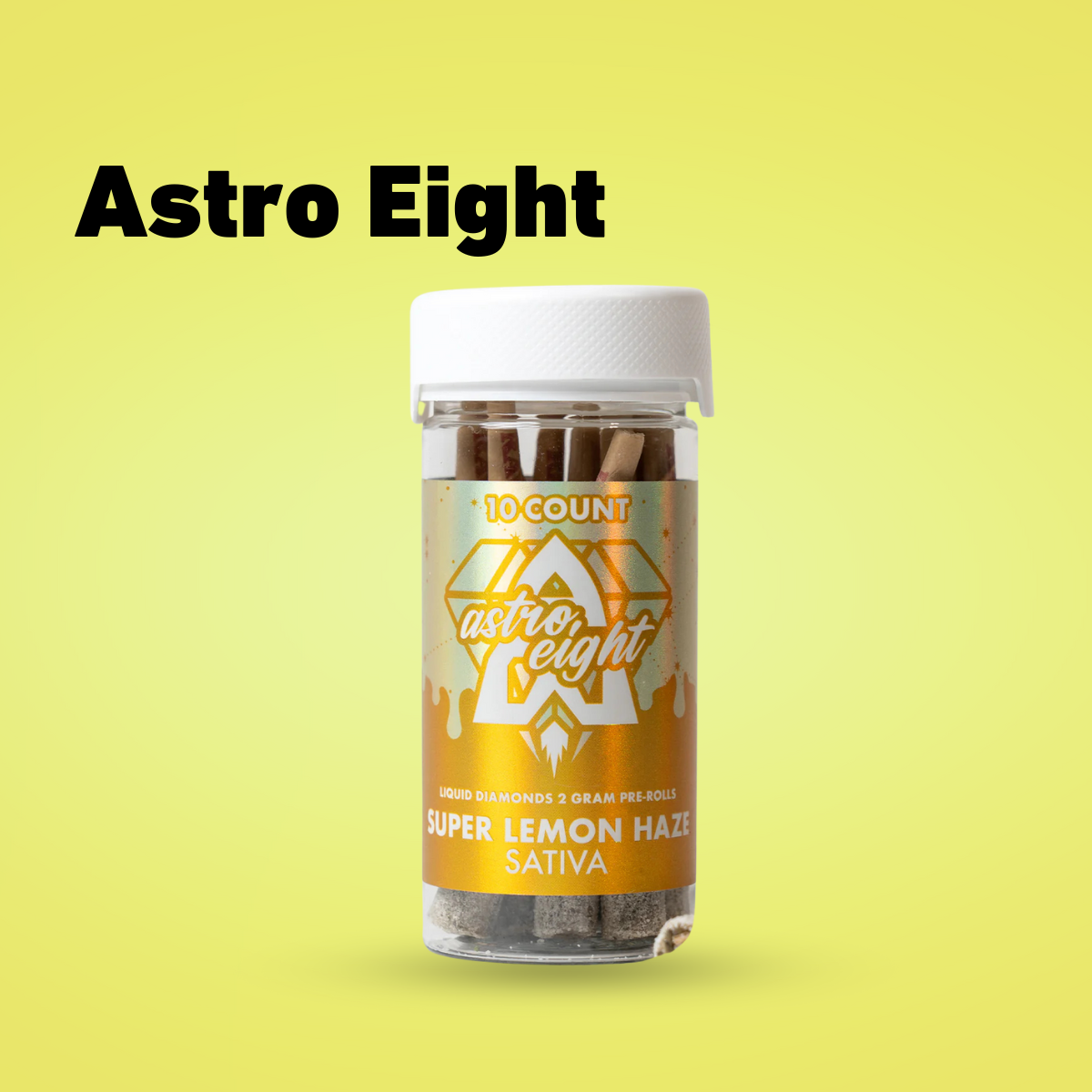
General Shop disposable lineup: We stock multiple gram sizes and blends, so you can filter by 1G, 2G, or 7.5G and pick by strain or cannabinoid blend without guessing. Examples include Super Looper 1G for quick strain sampling, LITTO KTFO BLEND 2G for day-to-day variety, and Geek 7.5G for extended use, with lab-tested positioning called out on relevant listings.
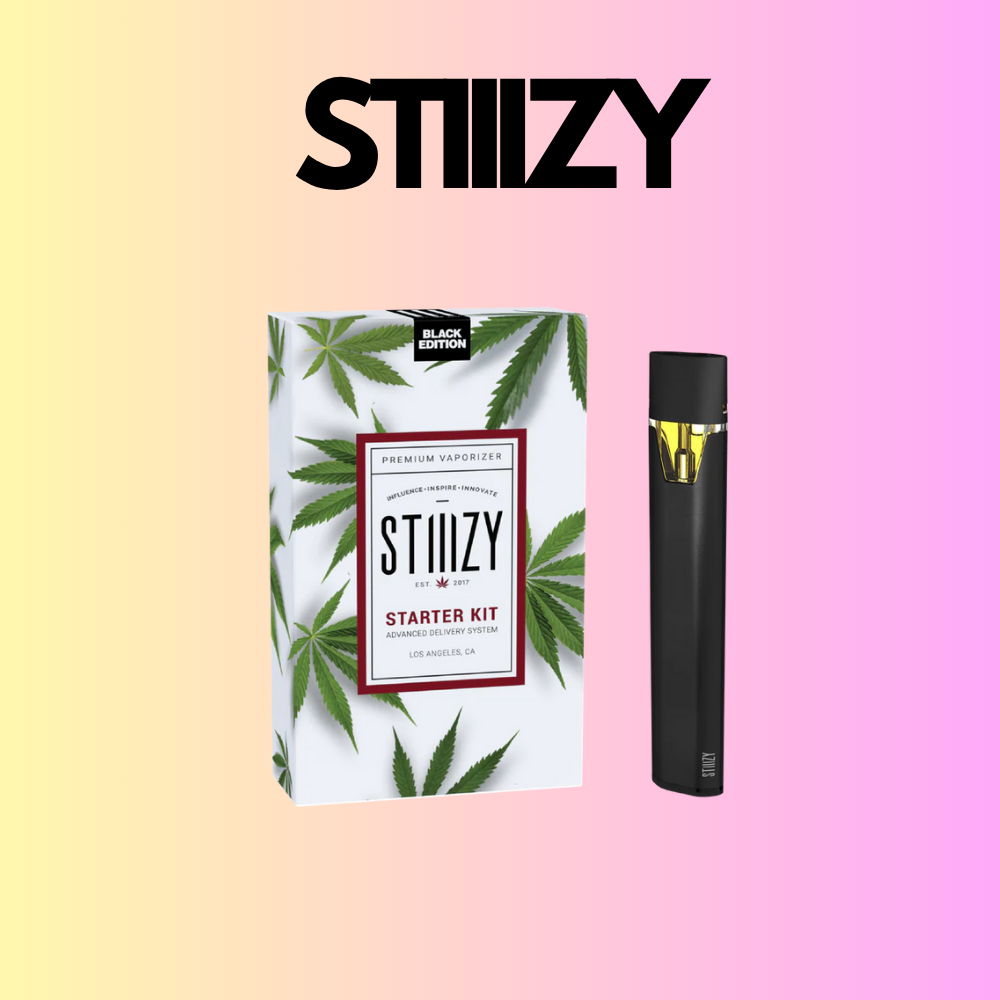
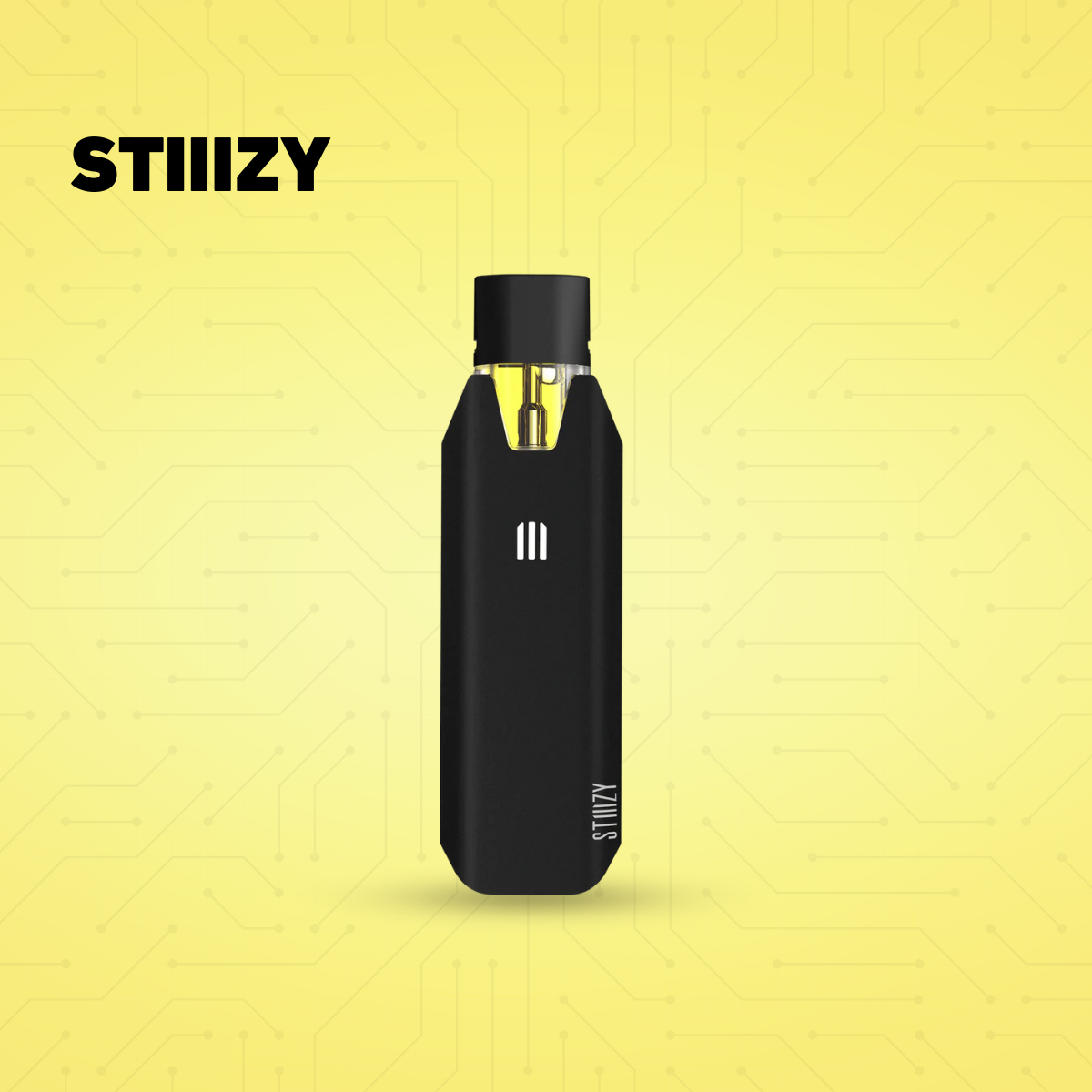
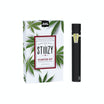
STIIIZY disposable vape: Often compared for brand familiarity and flavor. Your key check is still the same: confirm it is a true all-in-one disposable and that third-party lab reporting is accessible for the exact item you are considering.
Cake disposable vape: Popular for big-flavor positioning, but this is a category where you should be extra strict about lab report availability and clear labeling, especially when you are comparing higher-gram devices.
Puff Bar type disposables: Many shoppers mean “small, simple disposables” when they say this, but Puff Bar is primarily associated with nicotine products. If you are shopping hemp-derived cannabinoids, verify you are looking at a cannabinoid disposable (not nicotine) and that the listing includes third-party lab testing notes.
Pick your size tier using our 60-second checklist
 The cleanest way to avoid paying premium money for weak effects or flavor fade is to match grams to your pace. Faster turnover usually means fresher-tasting oil per device, while bigger sizes usually mean fewer replacements and better value per gram.
1G for trying and travel
Choose 1G when you want the lowest-commitment option and you do not want to be stuck with a flavor you end up not liking. It is also the easiest size to finish quickly, which helps reduce the “tastes dull near the end” complaint simply because you are turning it over faster.
This tier is built for sampling and short trips: you get a full, draw-activated device with minimal spend, and you can switch strains without feeling like you wasted a bigger purchase.
Example: Super Looper Disposable 1G is a straightforward way to test strain preferences (like Abra Cadabra, Apples Bananas, or Space Candy) before you scale up.
- Pick 1G if you want to test a new strain or cannabinoid blend with minimal risk
- Pick 1G if you care most about fresh flavor from start to finish and you do not need long run-time
- Pick 1G if you want a simple travel-friendly size you can finish without babysitting
2G for daily rotation
2G is the sweet spot when you use a disposable regularly but still want variety. You get enough capacity to avoid constant re-ordering, without the “one flavor for forever” feeling that can make bigger devices a bad fit.
Replacement cadence is moderate: with typical day-to-day use, many people land in the “several days to weeks” range depending on puff frequency, which is usually manageable for budget planning and staying ahead of last-minute runs.
Example: LITTO KTFO BLEND DISPOSABLE 2G works well for a rotation because you can choose from strains like Apple Sauce Rocks, Cherry Sherbet, Jack Herer, Mango OG, and Strawberry Diesel.
- Pick 2G if you want one device to cover your normal week without feeling locked in
- Pick 2G if you want flavor variety across purchases without replacing too often
- Pick 2G if you are trying to balance cost, convenience, and consistent performance
7.5G for max mileage
Choose 7.5G when you want the fewest replacements and you are prioritizing value by grams. This is the tier for people who already know the type of effects and flavor profiles they like and just want a longer-lasting pick.
It is also the most budget-efficient on a per-gram basis in most lineups, because you are buying more capacity in a single device instead of paying the “new device” overhead repeatedly.
Example: Geek THC-X MAXXX OUT CB9A THCP THCV Disposable 7.5G is built for extended use between replacements and is priced at $39.99.
- Pick 7.5G if you want fewer checkouts, fewer deliveries, and fewer chances to land on a dud batch from frequent switching
- Pick 7.5G if you already know your preferred profile and want the best value by grams
- Pick 7.5G if your main goal is long run-time without thinking about replacements
Match the cannabinoid blend to your effect goal
Blend cheat sheet for beginners
The fastest way to avoid paying for the wrong experience is to match the blend to your goal, not the gram size. Grams tell you how long a disposable vape may last, but the cannabinoid mix drives how it feels.
THCA and HHC are the two labels we see most beginners confuse. In simple terms: THCA-forward blends tend to feel more “classic” and body-leaning, while HHC blends are usually marketed as smoother and more even, with less edge for some people.
For daytime, look for THCV in the blend. Many shoppers pick THCV when they want a clearer, more functional feel instead of a heavy, couchy vibe.
Be careful with potency jumpers like THCP and CB9A. These are often used to push a stronger, longer-lasting effect per puff, so start with fewer, gentler draws and give it time before you take more.
- THCA vs HHC: THCA-leaning for a more traditional feel; HHC-leaning for a more balanced, “smooth” profile
- THCV: commonly chosen for a lighter, more daytime-friendly direction
- THCP + CB9A: “high-potency” additives; easiest to overdo if you chain puffs
How to read a lab report so the label matches reality
Three checks that matter
If the label says “2 grams” or “2000 mg THC,” the only way to know it is real is the COA (certificate of analysis). In our experience, most potency surprises come from COAs that do not match the exact batch you are holding, or from confusing units that make a product look stronger on the front label than it is.
Use the COA like a receipt for what is inside that specific all-in-one disposable, not as a generic brand claim. These three checks catch the majority of sketchy situations without you needing to be a lab expert.
- COA date and batch match: Look for a batch or lot number on the packaging and the COA, and make sure they match. Also check the COA date is recent enough to plausibly match current inventory, not a document from years ago reused across products.
- Cannabinoid totals and units: Confirm the COA reports cannabinoids in clear units (mg/g, % by weight, and/or total mg per device). Be cautious when the label shouts “2000 mg” but the COA only supports a lower total, or when it lists percentages without clarifying the total oil amount.
- Contaminant panel presence: The COA should include a contaminants section, not just potency.
At minimum, you want to see testing reported for common categories like residual solvents, heavy metals, pesticides, and microbials.
Reliability red flags: clogs, burnt hits, dead devices
 Most disposable failures happen for a few predictable reasons: oil gets too thick to move, the airway floods, or the coil gets damaged. You can’t prevent every defect, but you can lower the odds of wasting a device by using it gently and keeping it warm and upright.
Clog patterns to watch
Clogs usually come from thick oil moving slowly, or from pulling too hard and dragging liquid into the airway. Both are more likely in larger-gram disposables simply because the device stays in rotation longer.
Cold is the easiest trigger to spot. A pen that hits fine indoors can feel “blocked” in a car, garage, or winter weather because the oil thickens and the draw-activated sensor may not get enough airflow to fire.
The other common cause is chain hits. Fast back-to-back pulls can over-saturate the heating area, then that extra oil cools and settles where it should not, which feels like a tight draw and sometimes spits.
- Keep the device at room temperature before you use it, especially after it has been in the cold.
- Take gentle pulls and pause between hits so the coil can vaporize, not flood.
- Store upright when possible so oil stays in the chamber instead of creeping into the mouthpiece airway.
These small habits matter more as gram size goes up, because you’re asking the same airflow path and coil to stay consistent for longer.
When to replace, not fight
Some problems are true end-of-life signals, and fighting them usually wastes time and oil. The big one is a persistent burnt taste that does not go away after you stop and let the device rest.
A second red flag is no airflow even after warming the device back to room temp. If the draw stays fully blocked, you’re likely dealing with a hard clog or internal failure that normal handling won’t fix.
The most frustrating scenario is visible oil left but no vapor. That can happen when the coil is damaged, the draw-activated sensor stops responding, or the airflow path is compromised. At that point, replacing the disposable is typically the most practical move.
- Replace if the burnt taste persists across multiple gentle pulls after a rest.
- Replace if there is still no airflow after warming to room temperature.
- Replace if oil remains but vapor production drops to near-zero.
Shipping, age gates, and legality basics before you order
 Before you order a disposable vape online, expect a real 21+ age gate. Most checkouts require you to confirm your date of birth, and many orders go through third-party age verification. Some carriers also require an adult signature at delivery, so plan for a pickup or a delivery window where you can show ID.
Shipping is also state-dependent. Even when a hemp disposable is federally compliant, certain destinations restrict specific hemp-derived cannabinoids or product types, so checkout may block your ZIP code or cancel an order that cannot be delivered legally at destination.
For privacy, reputable shops ship in plain, unbranded packaging with standard tracking. You should get a tracking number once the label is created, with scan updates as the carrier moves it.
On legality basics: these are hemp-derived products, typically positioned to meet federal hemp rules, but your state and local rules still control what can be shipped to your address.
Ready to pick your gram size with confidence?
You now know what grams really change, how to spot label and lab mismatches, and which reliability red flags to avoid. If you want to make this choice fast, we can help you narrow it down by size tier and effect goal without the guesswork.
Shop our lab-tested hemp disposables by grams and cannabinoid blend, then choose a simple starting point. Try Super Looper Disposable 1G when you want a low-commitment option, go with LITTO KTFO BLEND DISPOSABLE 2G for an easy daily rotation, or step up to Geek THC-X MAXXX OUT CB9A THCP THCV Disposable 7.5G for max mileage at $39.99.
Order only if you are 21+. We confirm age and follow state-by-state shipping restrictions.
Frequently Asked Questions
What does disposable mean?
It means the device is an all-in-one disposable vape that comes pre-filled and pre-charged, then you use it until it is depleted. There is no setup, and you do not refill it.
Are hemp disposable vapes legal?
Hemp-derived disposables can be federally compliant, but what you can buy and ship depends on your state and the specific cannabinoids in the blend. You should always check your local rules before you order.
How long does a disposable vape last?
It depends on the gram size and how often you puff. As a general rule, 1G runs out faster for most people, while a 2G or 7.5G disposable is built for longer use with fewer replacements.
What's the difference between disposables and cartridge batteries?
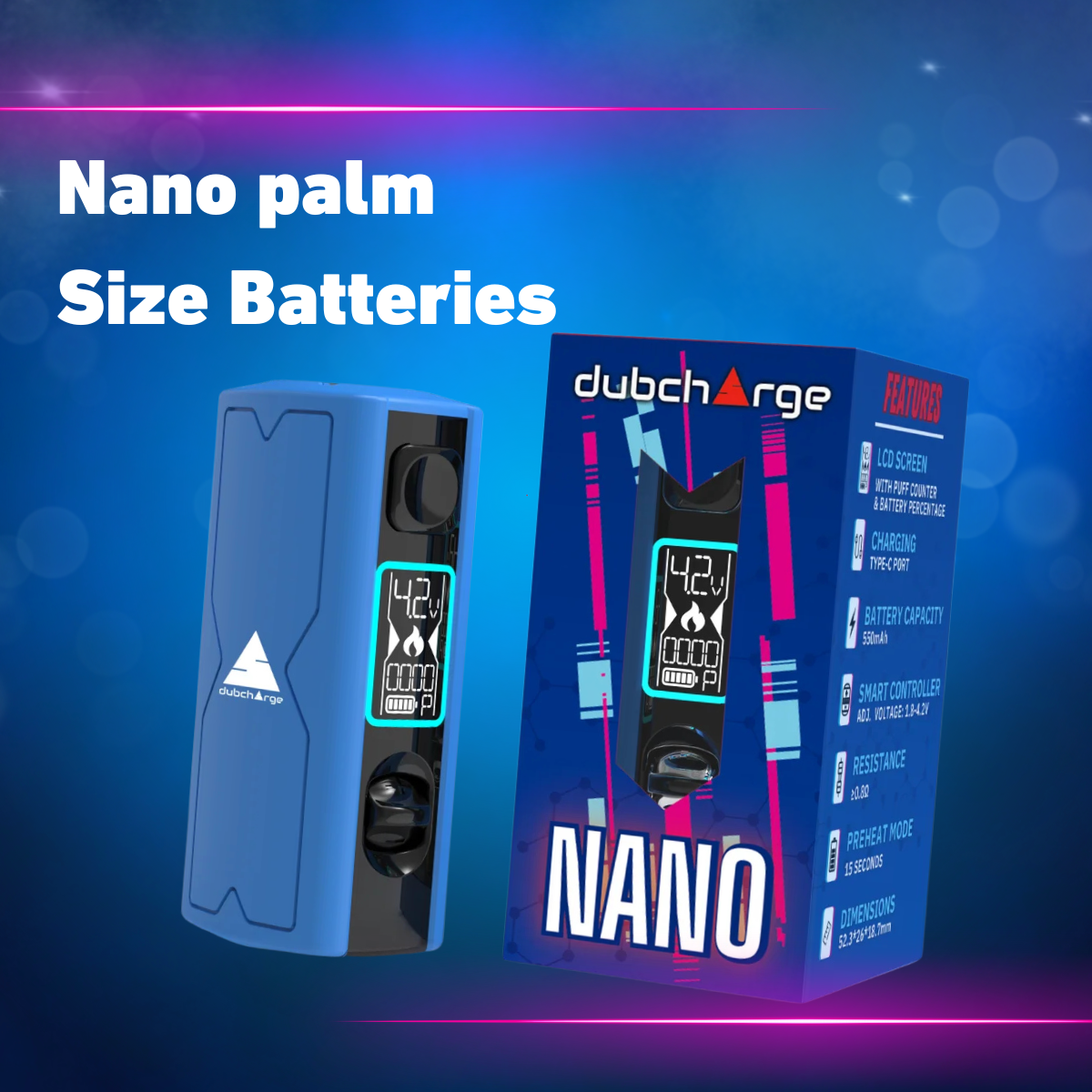
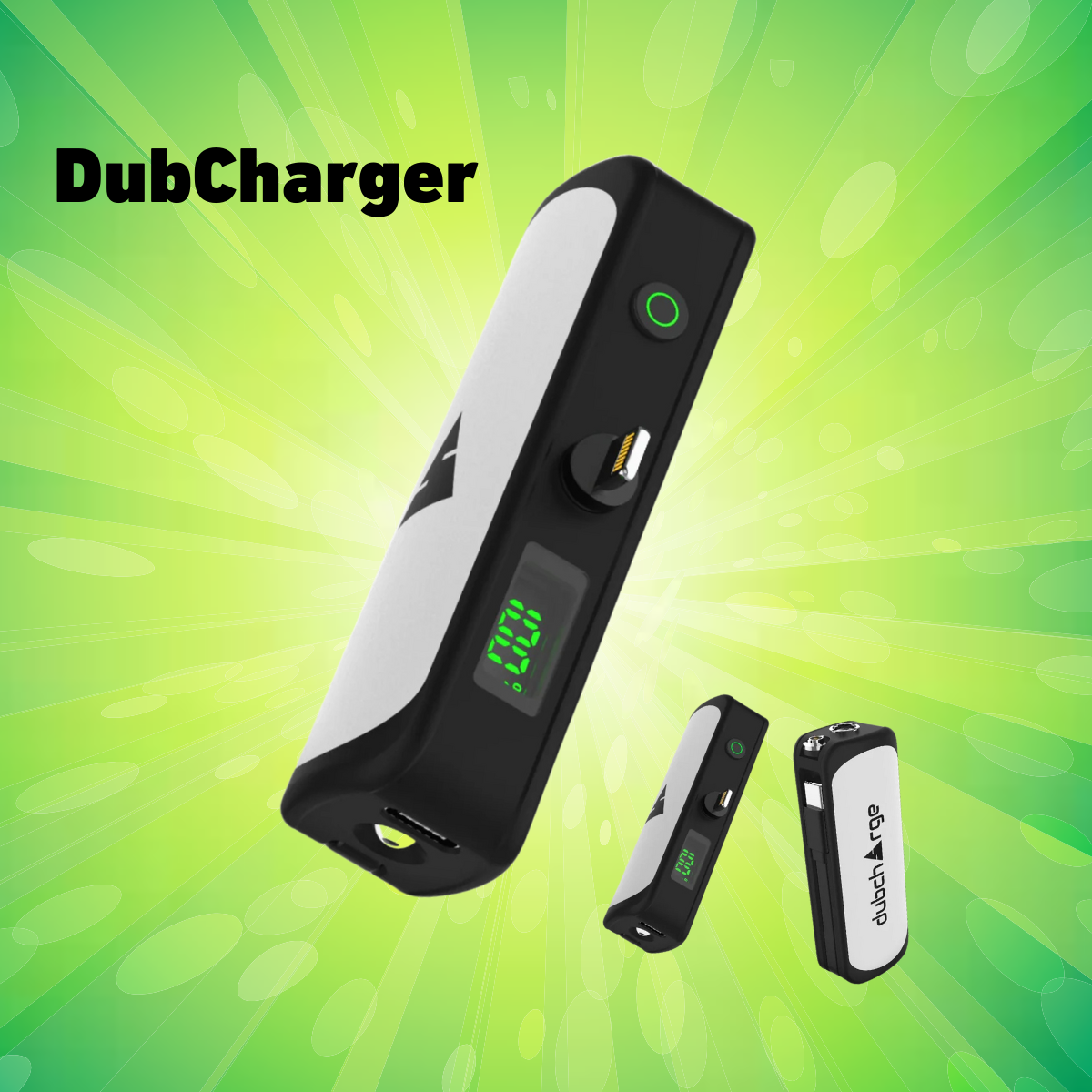
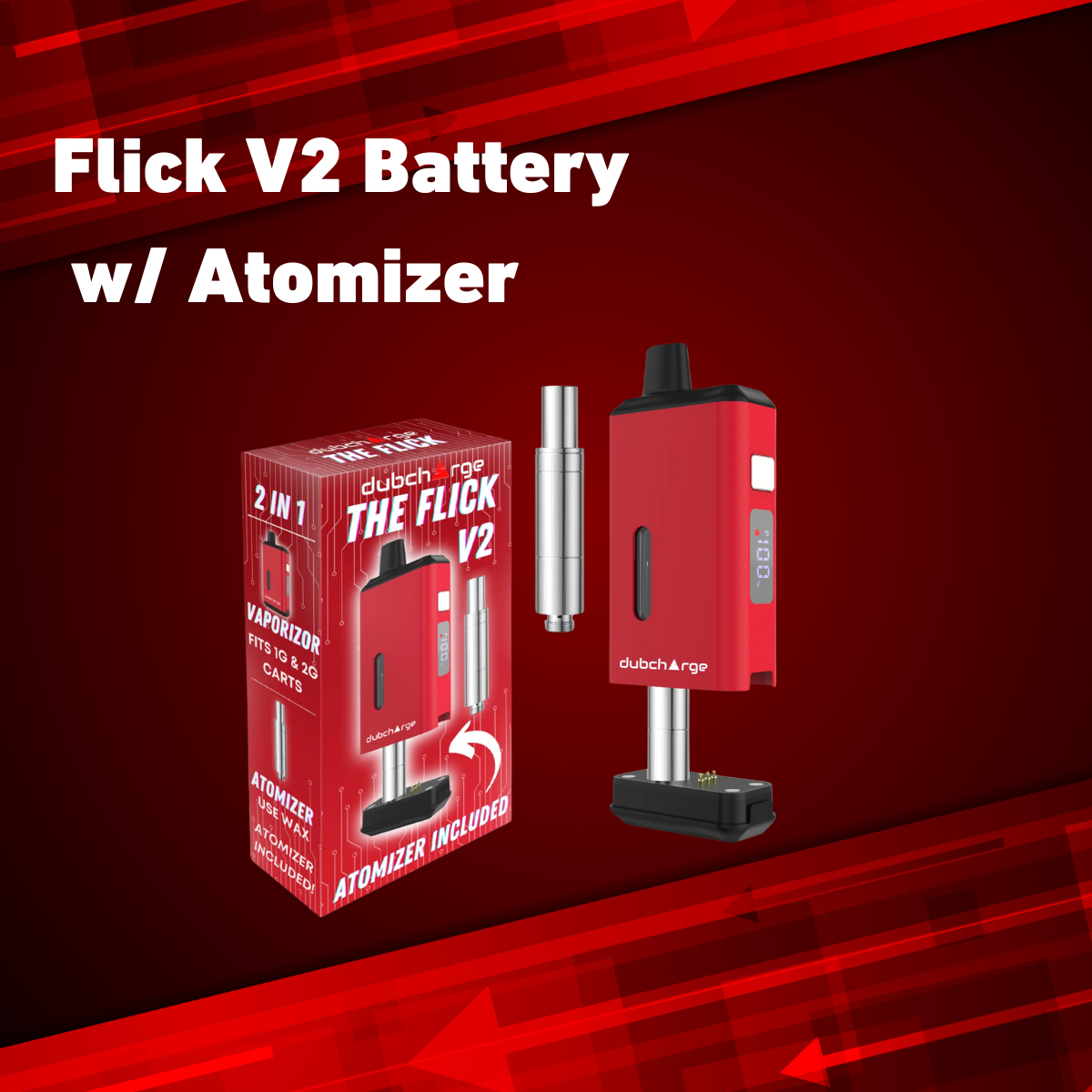
Disposables are draw-activated and ready to use with a built-in battery, so you do not need extra hardware. Cartridge battery systems use a separate reusable battery, which can be a better fit if you want a more reusable setup over time.


Leave a comment
This site is protected by hCaptcha and the hCaptcha Privacy Policy and Terms of Service apply.