








Hemp-derived THC legality explained for shoppers
Hemp-derived THC legality explained for shoppers
Hemp-derived means the THC or other cannabinoids in the product come from federally defined hemp, not marijuana, and the Delta-9 THC level is kept under the 0.3% threshold by dry weight.
Here’s what matters most before you buy:
- “Hemp-derived” describes the source and the 0.3% Delta-9 THC dry weight standard.
- Delta-8 THC is often reported as milder than Delta-9 THC.
- THCA is non-psychoactive until heat triggers decarboxylation into THC.
- Farm Bill compliant does not override state restrictions or shipping policies.
- A COA should be third-party lab tested, not only in-house testing.
- Match the format to your routine, and use a start-low go-slow baseline.
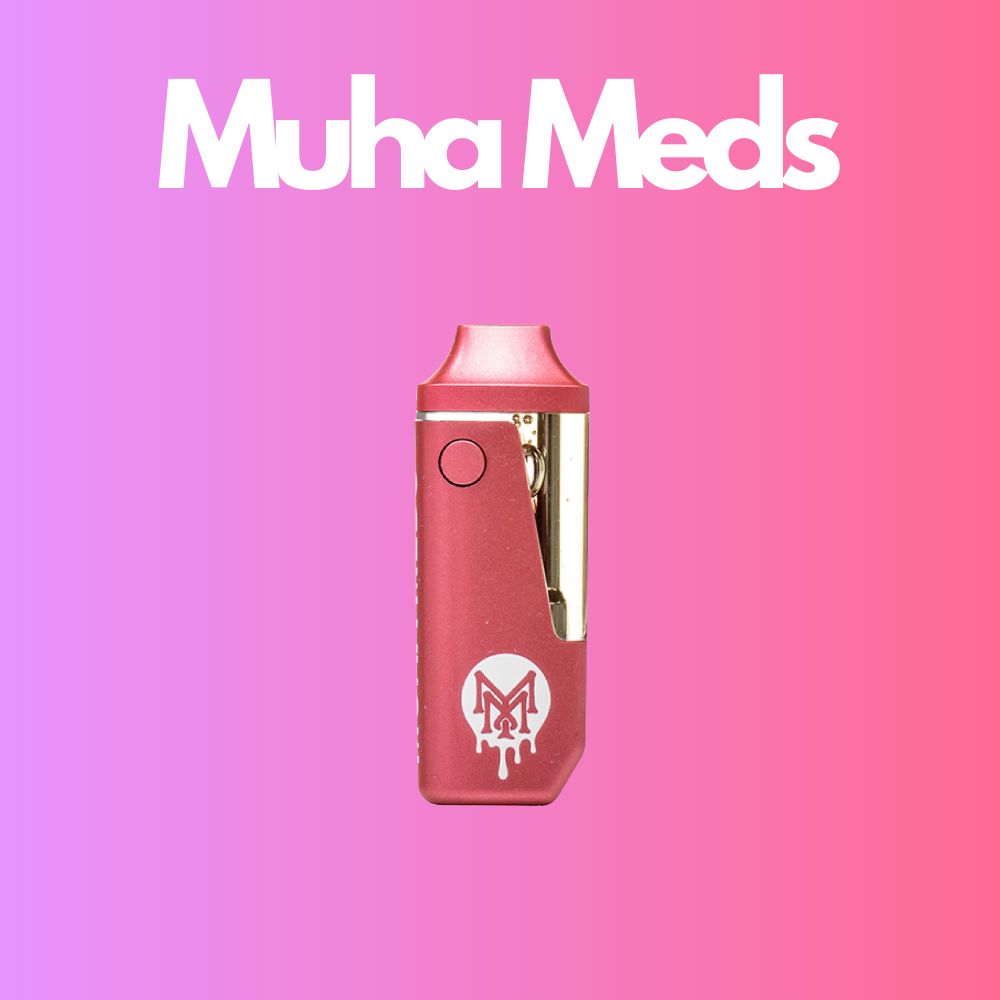
We focus on hemp-derived cannabinoid education because shoppers deserve plain-English answers, not guesswork. In our Muha Meds Hemp Disposable guides and product notes, we emphasize Farm Bill compliant sourcing and lab-tested purity and potency, plus simple safety reminders like checking your local state regulations before purchase and use.
Start by translating what “hemp-derived” actually means on a THC label, because that one phrase tells you what standard the product is trying to meet and what you need to verify next.
What hemp-derived means on a THC label

On a THC product label, “hemp-derived” is a sourcing claim: the cannabinoids in the formula were produced from hemp that meets the federal definition, rather than from high-THC cannabis sold through regulated dispensaries.
Shoppers often misread label terms like “hemp seed oil” (a nutritional oil that is not a cannabinoid product), “full-spectrum” (a blend description, not a legality guarantee), or “Delta-9” (a cannabinoid name that can still be hemp-compliant depending on concentration).
Brands put “hemp-derived” on packaging because the legal line is not the format (gummy, vape, flower) but whether the product stays within the hemp definition on paper and in lab testing, and whether your state allows that category.
The hemp definition that matters
“Hemp-derived” has nothing to do with nicotine. It means the THC or other cannabinoids in the product were extracted or manufactured from hemp inputs, not from tobacco or nicotine materials.
Legally, hemp is defined by its Delta-9 THC concentration: no more than 0.3% Delta-9 THC on a dry-weight basis. That dry-weight wording is why you will see compliant products that still list meaningful cannabinoid milligrams, especially in formats where the serving has substantial weight.
In practice, the label phrase usually indicates one of these hemp-derived cannabinoids is doing the work:
- CBD (cannabidiol), commonly used as a non-intoxicating base cannabinoid
- Delta-8 THC (Delta-8 tetrahydrocannabinol), typically made from hemp-derived CBD and psychoactive
- THCA (tetrahydrocannabinolic acid), which can convert into THC with heat via decarboxylation
What it does not mean
“Hemp-derived” does not mean the product is automatically legal everywhere. Federal definitions and state rules do not always line up, and some states restrict specific cannabinoids or product types even when they are hemp-sourced.
It also does not mean the effects will be weak. Hemp-derived cannabinoids can be intoxicating, and potency depends on the cannabinoid type, the dose, and how consistently the product was made and tested.
Finally, it is not proof of quality. The phrase can appear on well-made products and on low-quality ones, so compliance and reliability come down to what the third-party lab report shows and whether it matches what the label claims.
- Legality: state-level bans or shipping restrictions can apply even when a label says hemp-derived
- Effects: intoxicating cannabinoids like Delta-8 THC can produce real THC-like impairment
- Quality: a missing or unclear Certificate of Analysis is a practical red flag, regardless of the marketing
Will hemp-derived THC get you high

Yes, some hemp-derived products can intoxicate you, but the intensity depends on which cannabinoid you use and how you take it. Delta-8 THC is typically experienced as milder than Delta-9 THC at the same labeled dose, and research published in PMC found 72% of participants with prior use perceived Delta-8 as less intense than Delta-9.
Timing also shifts your experience: inhaled formats tend to feel faster, while edibles and tinctures usually come on more slowly and can feel stronger once they peak. Regardless of source, THC exposure can still create a drug testing risk, since tests generally look for THC metabolites rather than caring whether the THC came from hemp.
When effects feel like THC
Hemp-derived products can feel like “regular THC” when the active compound is Delta-9 THC, because the molecule is the same regardless of whether it originated from hemp or higher-THC plants. Your body responds to the chemistry, not the marketing category.
THCA is a separate, common reason people report unexpectedly strong effects. In raw form THCA is not psychoactive, but with heat it converts through decarboxylation into psychoactive THC, which is why heated THCA flower can feel THC-forward.
Even with the same cannabinoid, your outcome depends on variables that do not show up on the front label: dose, your tolerance, and your set and setting. A low tolerance plus a larger-than-intended dose in a stressful environment can feel dramatically different than the same amount taken calmly at home.
- Delta-9 THC: identical chemistry, so effects can be essentially the same at comparable doses
- THCA: can become intoxicating after heat converts it to THC
- Experience drivers: dose size, individual tolerance, mindset, and environment
Why potency feels inconsistent
Perceived inconsistency is often a math problem before it is a product problem. Serving sizes can be confusing (for example, “per piece” vs. “per package”), and uneven cutting or mixing can make one portion feel stronger than another.
Real-world variation also comes from batch differences and storage. Heat, light, and time can change flavor and perceived strength, especially for vape oils and flower that sit in warm environments.
Mislabeling is the hardest issue to spot from the outside, and it can include “hot batches” where actual potency is higher than the label suggests. That is part of why third-party lab testing matters in this category.
- Serving size confusion: mg per serving versus total mg, plus inconsistent portions
- Batch variation and storage: differences between runs, and degradation from heat or light
- Mislabeling and hot batches: label claims that do not match what is in the product
Legality snapshot you can use before checkout

Federally, the 2018 Farm Bill allows hemp and hemp-derived products as long as Delta-9 THC stays under 0.3% on a dry-weight basis. That baseline does not guarantee a product is shippable to, or legal to possess in, every state because states can restrict specific cannabinoids or formats. Expect age-gates online, and in many cases an adult-signature or ID check at delivery.
Your state shipping checklist
The fastest way to avoid a canceled order is to treat your state as the real rulebook, not the product label. Retailers also apply their own shipping filters, which can be stricter than the law to reduce chargebacks and carrier problems.
Use this quick pre-check before you enter payment details.
- Confirm product type restrictions: your state may allow certain hemp-derived cannabinoids but restrict others, or limit specific formats (for example, vapes versus edibles), so verify the exact product category you are buying.
- Check retailer state blocks: look for a shipping-policy page, checkout warnings, or an address validator that flags restricted states before you submit the order.
- Know local possession rules: even when a seller will ship, state or local rules may limit what you can hold or where you can use it, which matters after delivery.
Crossing state lines basics
When you travel, the destination state’s rules are what create the most risk, even if the item was bought legally where you started. Plan based on where you will be, not where you clicked “buy.”
Treat documentation and product identity as part of safe transport practices. Keep the original packaging so the item is clearly presented as a hemp-derived product, and keep access to the Certificate of Analysis (COA) that matches the batch or lot.
Avoid prohibited jurisdictions entirely. Do not route through, fly into, or carry into states that ban the cannabinoid or the product format you have, because a short layover or traffic stop can turn into an avoidable problem.
- Destination law controls risk, including what is considered lawful possession once you arrive.
- Keep packaging and COA link available so you can match what you are carrying to a specific tested batch.
- Avoid prohibited jurisdictions rather than relying on “transit” assumptions.
How to read a COA without getting lost

A COA only protects the buyer when it comes from a true third-party lab, not internal testing. Extra confidence comes when the lab cites ISO/IEC 17025 accreditation standards, which signal independent assessment of competency and test quality.
Use the COA like a freshness check. Prefer recent test dates, and treat older reports cautiously because cannabinoids and contaminants results are tied to a specific moment in time; when a product is re-batched or sits for months, a retest is the responsible move.
Match the COA to what is in hand: product name, batch or lot number, and the package size that the potency was calculated for. A COA that cannot be clearly tied to the exact unit being used is not a meaningful safety document.
Potency numbers to verify
Potency is where legality and labeling accuracy show up fastest. The reader should be able to locate the Delta-9 THC line item and confirm it is presented in a way that supports Farm Bill compliant claims (less than 0.3% Delta-9 THC by dry weight).
Next, sanity-check the “total THC” logic against the label’s serving size. A label might list milligrams per gummy, puff, or milliliter, while the COA lists results per gram or per unit; if the units do not line up, the serving math can be misleading even when the lab numbers are real.
THCA should also be listed separately, not quietly folded into a single “THC” number. THCA is non-psychoactive until heat converts it through decarboxylation, so separating THCA and Delta-9 THC helps the reader understand what is compliant on paper versus what becomes active after heating.
- Delta-9 THC: find the specific line item and confirm it supports the 0.3% dry-weight threshold claim.
- Total THC and serving math: align COA units (per gram, per unit) with the label’s serving size and total servings.
- THCA: verify it is shown as its own cannabinoid result, not merged into one “THC” value.
Red flags that fail the test
A COA that looks polished can still be useless. The reader should be able to identify who tested it and when, then confirm it actually belongs to the product batch being considered.
If the COA is posted as a QR code on packaging, scan it and confirm the batch or lot matches what is printed on the device box, jar, or gummy bag. In our experience, reputable brands keep this traceability tight; for example, our Muha Meds Hemp Disposable batches are tied to specific lab reports rather than generic, reusable PDFs.
The last check is the contaminants panel. A failed result (or a panel that is missing entirely) is a hard stop, because it undermines the product’s basic safety claims.
- Missing lab name or test date, or a report that does not clearly identify the testing facility.
- No batch or lot number, or a QR code that pulls up a COA for a different product or batch.
- Failed contaminants panel, or “not tested” where pesticides, heavy metals, residual solvents, or microbials should be reported.
Choosing a format that fits your risk and routine
A practical baseline is start-low and go-slow, then only change one variable at a time: the format, the dose, or the timing. That approach reduces surprises and makes it easier to repeat results.
Discretion often decides the format as much as potency does. A low-odor option can matter for roommates, travel, or anyone who prefers not to broadcast what they are using.
For flower or anything aromatic, a smell-proof stash bag solves the common problem of keeping odor contained while protecting products from light and heat.
THCA flower and pre-rolls
THCA flower and pre-rolls are the most “hands-on” option, because heat is what turns THCA into psychoactive THC through decarboxylation. The experience can feel strong because inhalation delivers effects quickly and the user is controlling the size and frequency of each draw.
This format tends to fit readers who already know how they react to THC-like effects and can self-titrate without overdoing it. Small puffs spaced out beats treating a pre-roll like a fixed “dose,” since the real intake depends on inhale depth, burn rate, and individual tolerance.
Odor is the main trade-off. Proper storage is not just about discretion, it also helps preserve aroma compounds and consistency from session to session.
- Heat activation: raw THCA itself is not intoxicating until heated; smoking or vaping is the activation step
- Dosing control: easiest to overshoot when taking larger hits too close together, especially with pre-rolls
- Storage: keep flower sealed, cool, and out of direct light; add a smell-proof stash bag when odor control matters
Gummies and disposables
Gummies and disposables generally have a lower learning curve than flower because they are more standardized: a gummy is portioned, and a disposable is consistent from puff to puff. The main difference is timing.
Edibles typically come on slower and last longer than inhaled formats, so the same “start-low, go-slow” rule matters even more. A common mistake is taking a second gummy before the first has fully shown up, then spending hours more impaired than intended.
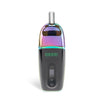
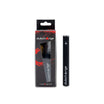
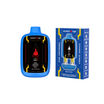
Disposables reduce friction for beginners because there is no setup: they are pre-filled, pre-charged, and draw-activated. For example, our Muha Meds Hemp Disposable is designed for simple, short puffs with lab-tested oil, and it should not be refilled or recharged.
For readers who want a milder, clearer ride, Delta-8 THC is often preferred over Delta-9-like intensity. In research published in PMC, 72% of participants with a history of consumption perceived the effects of delta-8 THC as less intense compared to delta-9 THC.
- Gummies: slower onset and longer duration can be convenient, but patience is part of safe dosing
- Disposables: quick onset, minimal odor, and no equipment decisions beyond choosing a strain or flavor
- Delta-8: commonly chosen when the goal is functional effects with less perceived intensity
Make your next hemp-derived purchase a confident one
If you are still weighing legality, start with the two checks that matter most: confirm your state allows shipment, then open the Certificate of Analysis and verify the Delta-9 THC dry weight number and the cannabinoid potency match the label. If either is missing, unclear, or inconsistent, it is a signal to pause.
When you want a straightforward option, we keep it simple with lab-tested hemp-derived formats designed for predictable use. If convenience is the priority, consider the Muha Meds Hemp Disposable for a draw-activated experience with no setup. If you are comparing cannabinoids, use your COA review to decide whether Delta-8 THC, THCA, or CBD best fits your tolerance and routine.
Choose your format, check your COA, and place your order only when the paperwork supports the label.
Frequently Asked Questions
Does Delta-9 derived from hemp get you high?
It can. “Hemp-derived” describes the source and the legal definition, not the experience, so effects depend on the cannabinoid type, dose, and how the product is used.
Are hemp-derived cannabinoids safe?
Safety depends on product quality and your individual tolerance. Look for third-party lab testing, review the COA for potency and contaminants, and avoid products that do not provide clear batch results.
What is the difference between Delta-8 THC and Delta-9 THC?
They are different forms of THC that can feel noticeably different in intensity. Many readers find Delta-8 THC feels milder, while Delta-9 THC tends to feel stronger at comparable doses.
Is THCA psychoactive?
Not in its raw form. THCA becomes psychoactive after heating through decarboxylation, such as smoking or vaping, which converts it into THC.
Are hemp-derived products legal under federal law?
Federally, hemp-derived products can be compliant when they stay under the 0.3% Delta-9 THC limit by dry weight. State rules vary, so you should confirm your state restrictions before purchasing or traveling with these products.


Leave a comment
This site is protected by hCaptcha and the hCaptcha Privacy Policy and Terms of Service apply.