
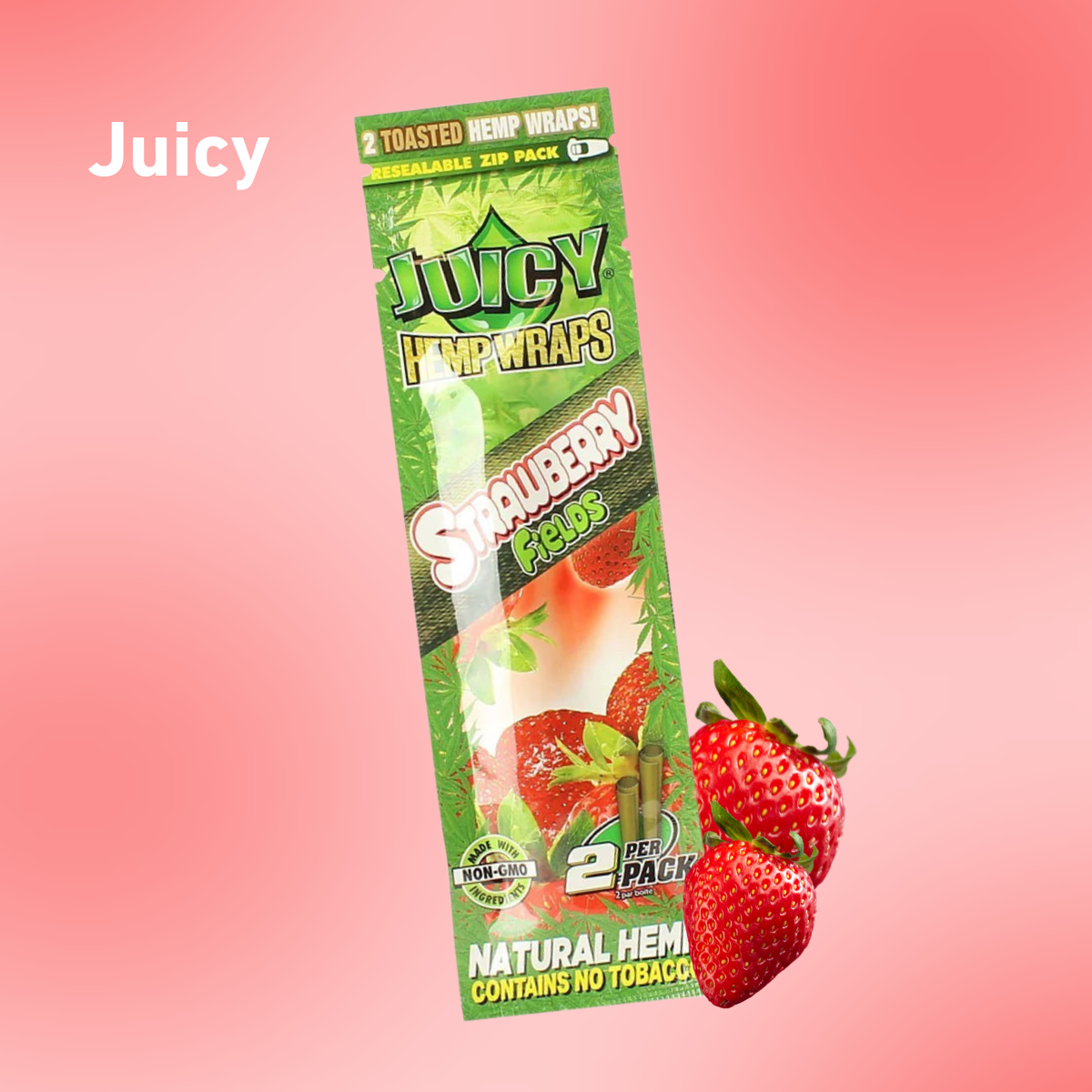
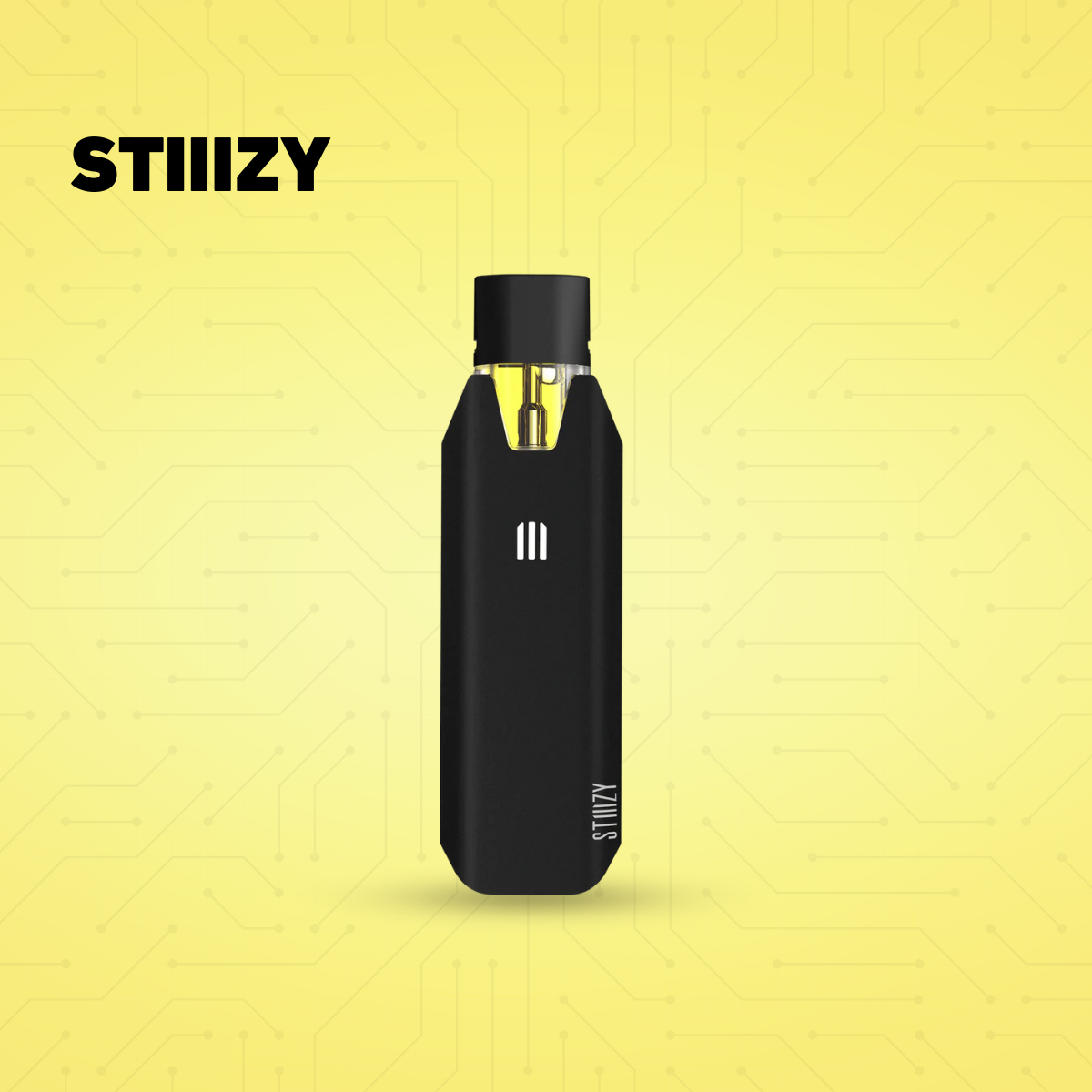
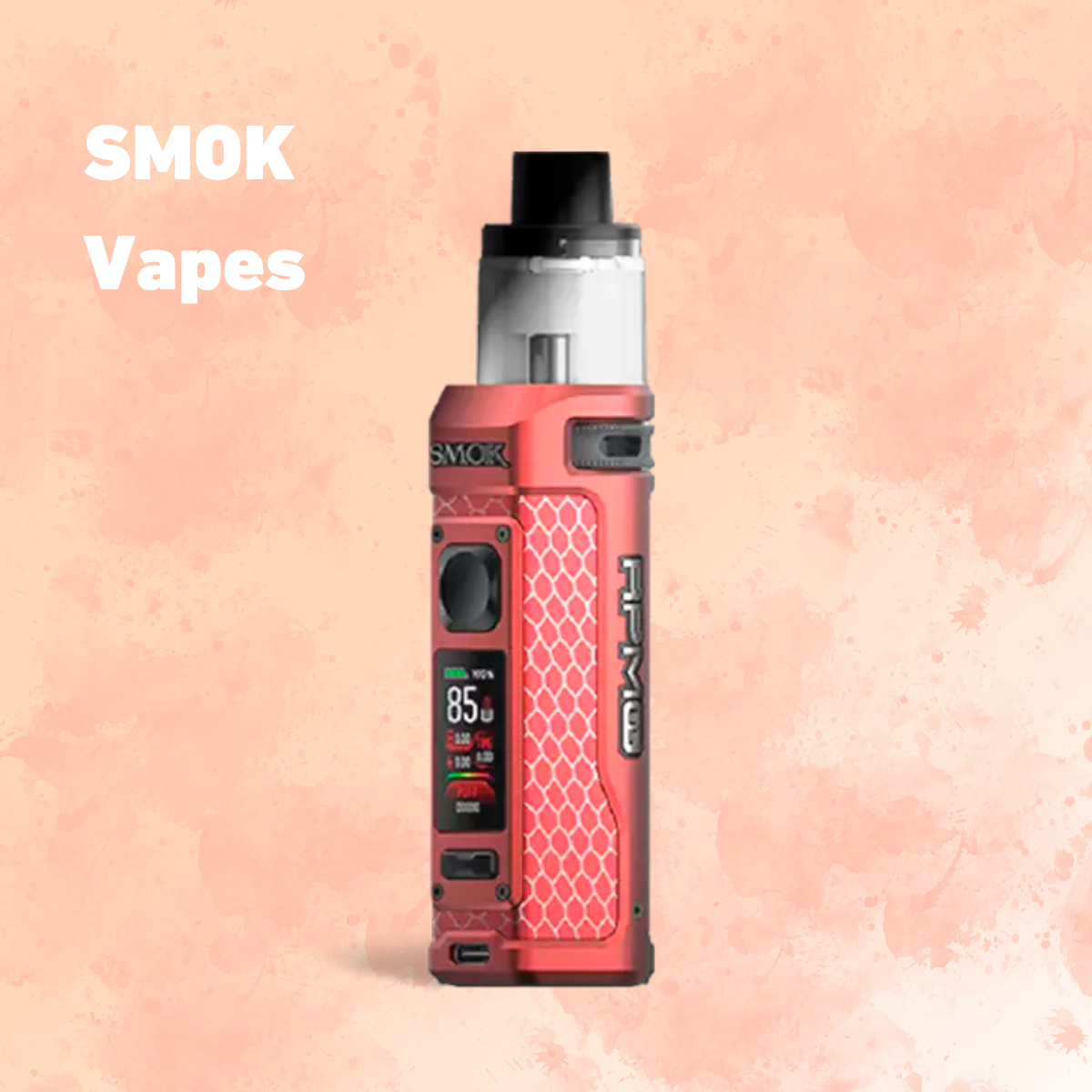
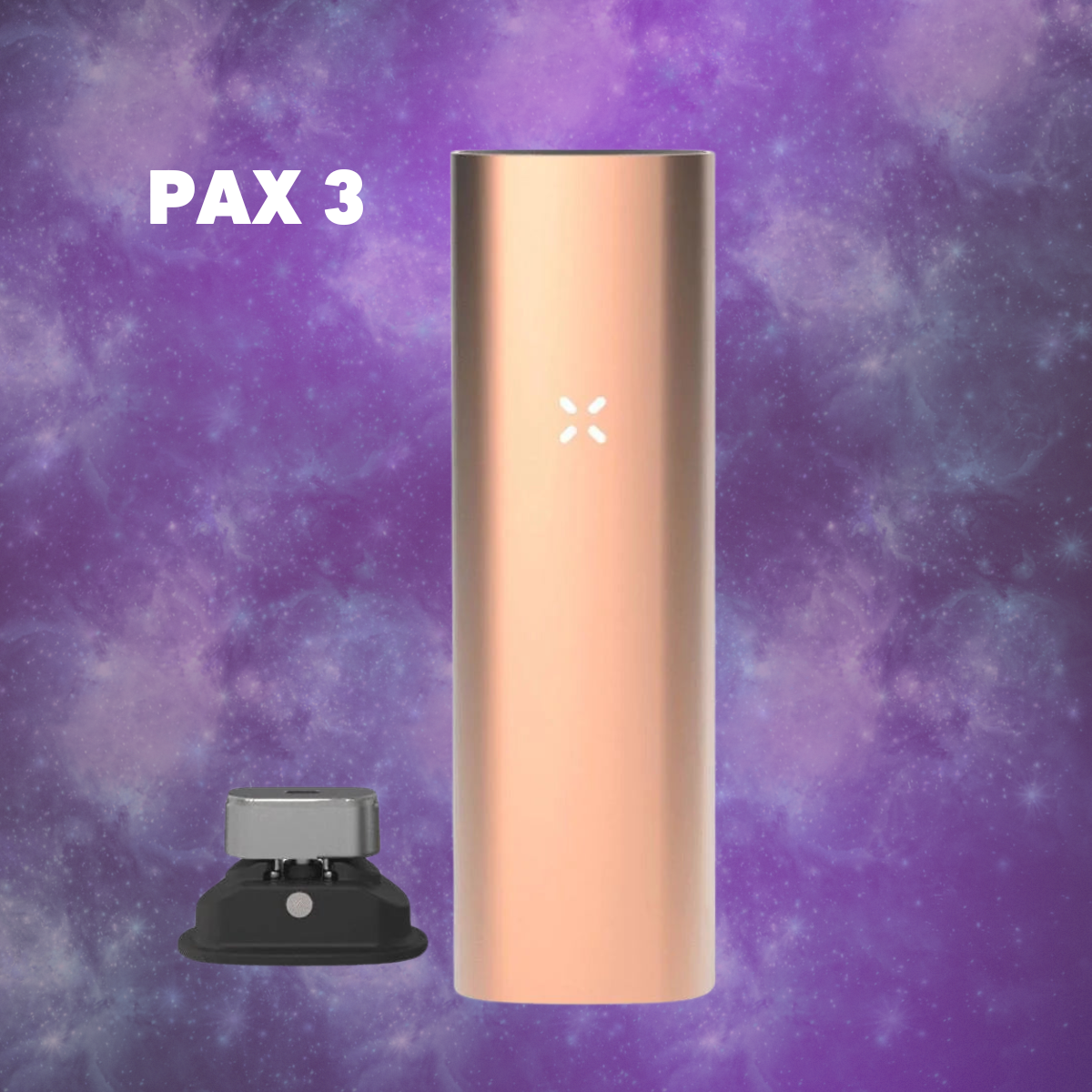








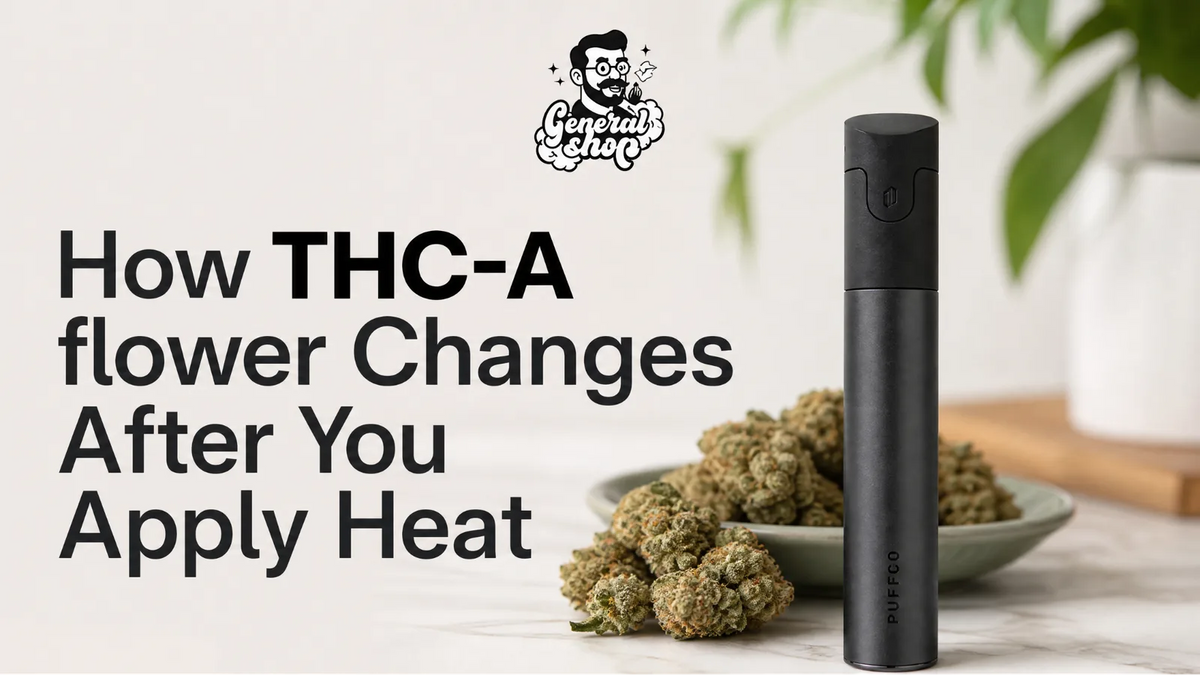
THC-A flower is raw, unheated THCA flower, and on its own it is non-psychoactive. Once you apply enough heat through smoking or vaping, decarboxylation converts THCA into THC, which is where the psychoactive effects come from. If you are shopping online, the real stress is not the concept.
Here’s what matters most right now:
- Raw THC-A flower is non-psychoactive until heat triggers decarboxylation.
- Smoking applies fast heat, so conversion happens quickly and effects show up faster.
- A trustworthy COA clearly lists a THC-A line item, not vague totals.
- No COA or blurry screenshots are early red flags before you open the jar.
- Consistency starts with an even grind, a clean pipe or bowl, and solid storage.
- Checkout typically includes 21+ age confirmation plus restricted state checks.
We focus on curated THC-A flower options like DubZotics Grunts THC-A Flower ($4.99+) when you want value, plus simple accessories like a grinder, rolling papers, and a rolling tray to keep your results consistent. We also prioritize clear COA expectations and straightforward, compliant shipping steps so you are not guessing at checkout.
Next, we will translate what heat actually changes in THC-A flower into plain English, so you know exactly what is happening when you light or vape it.
What heat changes in THC-A flower in plain English
THC-A vs THC after heating
Raw THC-A flower is not intoxicating as-is. The “shift” people feel comes after you apply enough heat, because that heat changes the main cannabinoid from THC-A into THC.
Think of THC-A as the unactivated form. Once it’s heated, it can convert into THC, which is the form known for intoxicating effects. That conversion is why the same jar of flower can feel very different depending on how it’s used.
Results vary mostly because potency is not just a label number. Two products can list similar THC-A levels and still feel different once heated due to how much THC-A is present and how completely it gets activated during use.
- Higher THC-A content gives you more “potential THC” once heated, so the ceiling is higher
- Less efficient heating can leave more THC-A unconverted, so the experience may feel weaker than expected
- How evenly the flower heats (and how quickly it reaches the right temperature) can change what you actually end up inhaling
Decarboxylation in one minute
Decarboxylation is the chemical change where heat knocks a carboxyl group off THC-A, turning it into THC. That sounds technical, but the practical point is simple: heat is the activation switch.
Flame and vapor work because they bring the flower to temperatures high enough, fast enough, to drive that change during use. That is why smoking or vaping THC-A flower is tied so closely to noticeable effects.
Low heat often underperforms because it may not reach (or hold) the temperature needed for strong conversion. a 2021 PubMed study evaluated decarboxylation across 80-150 °C and 5-60 minutes, with optimal settings at 149.9 °C for 42 min, which shows how time and temperature both matter for full activation.
- High heat, short exposure (like a flame): quick activation, but results can vary with technique
- Controlled heat (like vapor): more consistent activation when temperature is set appropriately
- Low heat, short exposure: partial activation is more likely, which can feel underwhelming
Your real-world activation checklist: smoking and vaping
If you felt “nothing” from THC-A flower, the first thing to check is heat. You are relying on decarboxylation to convert THCA into THC, and smoking and vaping do that in different, very noticeable ways.
Smoking: fast heat, fast conversion
Smoking usually feels the most immediate because direct flame brings the flower up to activation temps in seconds. That fast hit of heat can convert a lot quickly, but it is not very precise.
The biggest self-troubleshooting issue with smoking is burn temperature variability. A tight pack, a clogged bowl, or uneven grind can make parts of the flower scorch while other parts barely get enough heat, so the experience can feel inconsistent even with the same product.
Taste is the tradeoff. Higher heat and combustion can mute terpenes and add a burnt note, and harshness typically climbs when you overheat or pull too hard. If you want a smoother, more flavorful smoke, the “fix” is usually mechanical: use a grinder for an even texture, avoid overpacking, and keep your pipe or bowl clean so airflow stays steady.
- Direct flame activation: fast onset, but it is easy to overshoot and burn off flavor.
- Burn variability: uneven grind or pack can cause hot spots and weak sections in the same bowl.
- Taste and harshness: more heat can mean less flavor and more throat irritation, especially with aggressive pulls.
Vaping: controlled heat, repeatable pulls
Vaping is the more controllable route because you are heating within a set temperature range instead of using a flame. That consistency makes it easier to repeat the same result from session to session, assuming you keep your grind and pack consistent.
Temperature range matters because it changes what you pull out first. Lower settings tend to preserve flavor and feel smoother, while higher settings push harder extraction and can feel stronger, but also drier or more intense on the throat.
How you hit it also changes expectations. Session-style vaping is designed for several steady draws over a few minutes, while quick hits are shorter and sometimes feel lighter because you have not fully warmed the material through.
Effects can feel delayed with vaping if your device is not fully at temp yet, if you are taking very short pulls, or if the chamber is packed too tight for airflow. A couple longer, slower draws after preheating often tells you whether it is a technique issue or simply not the right heat level for your preference.
- Temperature range importance: lower heat often equals better flavor; higher heat often equals stronger extraction.
- Session style vs quick hits: sessions build gradually; quick hits can under-extract if the chamber never fully warms.
- When effects feel delayed: short pulls, tight packs, or skipping preheat can make it seem like “nothing happened” at first.
COA reading that tells you if it is worth buying
A COA (certificate of analysis) is where you verify that the potency on the product page matches what a third-party lab actually measured for that specific batch. For THC-A flower, this matters because heat is what converts THC-A into THC, so the THC-A percentage is the number that best predicts how strong it can feel after you smoke or vape it.
Find the THC-A line item
The fastest potency check is locating the THC-A result on the cannabinoid panel and comparing it to the product’s claimed potency. For this category, THC-A is the main value driver because it is the starting material that converts after you apply heat.
On most COAs, THC-A appears in the “Cannabinoid Profile” table as “THCA” or “THC-A,” usually reported as percent by weight. Don’t stop at the biggest number on the page; make sure you are reading the line item for THC-A, not a different cannabinoid or a marketing callout.
Use “Total Cannabinoids” as context, not as a replacement for THC-A. Total cannabinoids can be helpful for comparing overall resin content, but it can also hide a weaker THC-A result behind a long list of minor cannabinoids.
If a product page makes a “per serving” claim, convert it back to what the lab shows. Flower is commonly sold by weight, so the clean comparison is percent on the COA versus percent on the listing, and whether the math behind any per-serving statement is clearly explained.
- Where to look: COA section labeled Cannabinoid Profile (THCA or THC-A line item, usually in %)
- Context check: compare THC-A to Total Cannabinoids so you know whether THC-A is doing most of the work
- Label check: product-page potency and any “serving” language should align with the lab’s units and values
Match the batch to the COA
A strong COA is useless if it is not for the exact batch you are holding. Your goal is a 1:1 match between the product’s lot information and the COA’s batch identifiers.
Check the lot or batch number on the jar or bag (or on the product detail page) and find the same identifier on the COA. If the COA only shows a generic product name with no batch info, you cannot confirm potency for your unit.
Then look at the test date. Recent testing is not about chasing perfection; it is about making sure you are not relying on an old report that may not reflect current inventory or handling.
Finally, scan the QR code or COA access method for consistency. A QR that lands on a generic homepage, a broken file, or a report that does not show the same product name and lot details is a credibility problem, not a minor glitch.
- Lot number: match the exact lot/batch ID on your packaging to the COA
- Test date: prioritize COAs with a clearly stated, recent test date tied to that lot
- QR consistency: QR should open the specific report for that product and lot, not a generic page or unrelated file
Contaminants worth scanning
Potency is only half the “worth buying” question. A quick contaminant scan tells you whether the product was checked for common safety issues that can show up in raw plant material.
Start with microbials and mold. You want a clear pass status (or results below the lab’s limits) for items like yeast and mold, and you want those results tied to the same batch you just verified.
Next, find the heavy metals section. A credible COA shows a metals panel with pass results for the typical metals labs screen for, and the reporting should look complete rather than missing categories.
Then look for a pesticide panel. The key is presence and completeness: if pesticides are not listed at all, or the panel looks oddly narrow with no clear pass/fail or limits, you do not have enough information to judge quality.
- Microbials: look for yeast and mold results and a clear pass status (watch for missing sections or “not tested”)
- Heavy metals: confirm there is a metals panel with complete reporting and pass results
- Pesticides: confirm a pesticide panel is present, not omitted, and that results are clearly reported
Quality red flags that show up before you even open the jar
Most disappointing THC-A flower buys show warning signs right on the listing. The biggest is no COA at all, or a tiny, blurry screenshot that you cannot verify. A real report should clearly show the product name, batch or lot ID, and a lab that looks consistent across the brand’s lineup. COA verification standards call out broken or generic QR codes and missing batch info as common red flags, and those tend to correlate with sketchy sourcing or sloppy inventory control.
Also watch for mismatches: the strain name on the jar does not match the COA, or the lab name changes every time with no explanation. That can mean you are looking at a recycled test for a different batch.
Handling cues matter, too. If the photos show buds that look overly dry, dusty, or crumbly, expect stale flower and weaker aroma.
Finally, check the test date. If it is suspiciously old or missing, assume you are not getting a fresh batch.
Pick a THC-A flower and the accessories that make it consistent
Your first purchase is easier when you pick flower based on what you actually care about (price, flavor, or a classic profile) and then add one or two basics that keep each session consistent. Consistency mainly comes down to three things: an even grind, clean airflow, and storage that keeps buds fresh.
Start with a value-friendly strain
DubZotics Grunts is a solid budget pick, and it’s a smart way to trial THC-A flower without overcommitting. It’s also easier to learn what you like when you’re not worried about wasting premium buds.
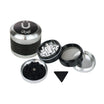
The fastest consistency upgrade here is a basic grinder. In our experience, breaking flower down evenly is what prevents the common first-timer issues: tight packs, uneven airflow, and constant re-lights.
- Add a basic grinder with sharp teeth so you get a uniform texture
- Grind only what you plan to use soon so the rest of the buds stay intact longer
Choose flavor-forward flower
DubZotics Juicy Fruit leans into fruity notes, so it’s the better pick when taste is the point of the session, not just the results after you apply heat. Flavor-forward flower is also less forgiving of dirty gear, because residue mutes the profile fast.
Pair it with a clean pipe routine. You do not need a complicated setup. You just need clean airflow and a bowl that is not coated with old buildup.
If you’re grabbing accessories from our General Shop, pipe cleaners are the easiest add-on for keeping flavor consistent from the first pack to the last.
- Run a pipe cleaner through after sessions when residue is still soft
- Clear ash and loose particles before the next pack so airflow stays open
Go classic with an OG profile
DubZotics Face Off OG has that classic OG vibe and a more traditional cannabis profile. If you want something that feels familiar and straightforward, this is the lane.
Classic profiles hold up well session to session, but only if your storage is doing its job. Air and dry environments pull moisture out of buds, which changes how they break up and how they draw.
Use airtight storage, ideally with humidity control, and keep it in a cool, dark spot. That one habit keeps your grind and burn behavior more predictable over time.
- Store buds in an airtight container or jar instead of a loose bag
- Avoid frequent open-close cycles by moving a small amount to a “use-now” container
Checkout without surprises: age gates, restricted states, discreet delivery
Most blocked orders happen for two reasons: you cannot confirm you are 21+, or your shipping address is in a restricted state. We build those checks into checkout on purpose, so you find out before you pay and before anything ships.
For age gates, expect a simple 21+ confirmation step during checkout. In some cases you may be prompted to verify identity details for age validation. If that verification does not match, the order will not go through, and you will need to try again with accurate info.
For state-by-state eligibility, checkout evaluates your delivery address and will stop you from completing the order if we cannot ship THC-A flower to that location under current rules. This is address-based, not billing-based, so double-check the state, city, and ZIP before you submit payment. If you are unsure, add the item to your cart and run checkout up to the shipping step to confirm availability before you spend time picking quantities or strains like DubZotics Grunts THC-A Flower.
Once an order is accepted, we process it within 24 business hours (business days only). After it ships, you will receive tracking details, and scans usually start updating once the carrier picks the package up.
Discreet delivery is straightforward: the outer packaging is plain and does not advertise what is inside. Use tracking to plan for delivery, and consider a secure address if porch drop-offs are a concern.
Ready to choose a THC-A flower you can feel confident about?
If you want predictable results, focus on two things: a clear COA and the right heat. That is what turns THC-A flower from raw, non-psychoactive flower into an active experience after decarboxylation.
We make it easy to start. Try DubZotics Grunts THC-A Flower at $4.99+ if you are testing the waters. Prefer a flavor-forward pick?
DubZotics Juicy Fruit THC-A Flower starts at $9.99+. Want a classic profile? DubZotics Face Off OG THC-A Flower is $9.99+.
Quick checkout notes: we ship with discreet packaging, and you get tracking once your order is on the move. Most orders process within 24 business hours. You must be 21+ and you will see age confirmation and state-by-state eligibility at checkout.
Always follow your local rules.
Frequently Asked Questions
Will 30% THCA get you high?
THCA percentage is only part of the story. You will not feel much from raw, unheated flower, but once you apply enough heat through smoking or vaping, THCA converts and the effects can feel stronger with higher potency.
Does lighting THCA get you high?
Lighting the flower applies heat, which is what triggers decarboxylation. That conversion is what changes THCA into the compound associated with the psychoactive effects.
Do you get a buzz from THCA?
Not from raw THCA flower on its own. The buzz comes after you heat it enough to activate it, and your experience will vary based on potency, how you consume it, and how much you use.
How should I store THC-A flower to maintain freshness?
Keep it in an airtight container and use humidity control if you have it. That helps protect the trichomes, preserves aroma and potency, and keeps the buds from drying out too fast.



Leave a comment
This site is protected by hCaptcha and the hCaptcha Privacy Policy and Terms of Service apply.