







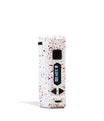
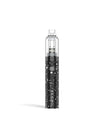
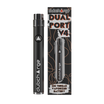

You are not overthinking it if you hesitate before buying a THCA rosin disposable. The market is full of loud packaging, vague “premium” claims, and devices that either clog, die early, or make you wonder what you actually just inhaled.
Here’s the 2-minute screen that filters out most bad buys:
- Find a batch or lot number on the package before you trust anything else.
- Pull the third-party COA and match the batch or lot number exactly.
- Confirm the COA product type clearly says rosin, live rosin, or solventless.
- Treat “rosin-infused” or “premium blend” wording as a blend red flag.
- Check the cannabinoid panel to see THCA listed as the primary cannabinoid.
- Expect rosin potency to read lower because terpenes take up percentage.
- Reduce clog risk with slow draws and upright storage, not chain-puffing.
At General Shop, we take a COA-first approach because proof beats branding when you are buying a sealed, draw-activated device. If the package, the COA, and the extract type do not line up in plain terms, we treat it as a no-buy.
Start by understanding what makes a disposable different from every other format you have tried: you cannot “fix it later,” so legitimacy has to be proven up front.
Start with what makes disposables different: proof beats branding

The fastest way to avoid a fake or mislabeled disposable is to ignore the box art and verify two things: the batch-specific lab report and the extract type it claims to contain. Packaging can say “premium” all day; a matching COA and a clear extract description are what separate a real product from a mystery blend.
COA plus lot match is the filter
Counterfeits survive because most buyers never confirm that the lab report actually belongs to the exact unit in their hand. Your baseline standard is simple: the lot or batch number on the package must match the COA exactly.
Start on the physical packaging, not the website description. Reputable products print a lot or batch number somewhere on the box or device label so you can tie that specific run to a specific test result.
Then access the COA the same way the brand intended, typically via a QR code or a posted COA lookup. A COA is only useful when it is tied to the correct batch, and Wikipedia's COA entry is clear that a certificate of analysis is meant to attest to lab analysis of cannabinoids and contaminants, not to act as generic marketing proof.
- Find the lot or batch number on the package (not just the strain name)
- Open the COA via the printed QR or the stated COA access method
- Match the batch or sample ID character-for-character (including hyphens, leading zeros, and suffix letters)
- If the numbers do not match, treat it as no COA and do not buy it
Extract type changes your experience
Once you know the COA is real, the next question is whether the extract type matches what you think you are paying for. This is where a lot of “THCA disposable” shopping goes wrong because different concentrates behave differently in a disposable device.
Solventless live rosin means the oil was made without chemical solvents and tends to be terpene-forward, which many readers experience as fuller flavor and a more nuanced effect. It also tends to be thicker, so performance can depend more on how well the hardware wicks and heats.
Melted diamonds set a different expectation: you are usually buying for intensity and a sharper, more direct effect profile rather than a rosin-style terpene expression. The COA should still make it obvious what is in the chamber, not leave you guessing.
The common confusion is when a label implies rosin quality but the COA reads like a different base oil. If the COA does not state the extract type in plain terms, assume the marketing is doing the work the document should be doing.
Terpenes also change perceived strength: terpene-forward products can read “lower” on a cannabinoid panel because terpenes take up part of the formula, yet still feel potent because flavor, onset feel, and overall experience are not captured by a single percentage.
Run the 2-minute legitimacy check before you buy

Counterfeit risk in disposables is not subtle: the packaging can look premium while the cannabinoids inside are mislabeled or the batch does not exist. A legitimate listing makes it possible to match what is in your hand to a specific third-party test report, and the report should clearly state the extract type and cannabinoid makeup.
Match the package to the COA
The fastest legitimacy screen is simple: the lot or batch on the box has to match a COA posted on the product listing. If you cannot line those up, treat the product as unverified, even if the design, strain name, and “lab-tested” claims look convincing.
Start with the physical package details, because counterfeit products often reuse old COAs or post a generic report that is not tied to your unit. The lot is usually printed on an end flap, sticker, or near the barcode. Use that exact code as your reference, not just the product name.
- Find the lot or batch identifier on the box (end flap, barcode area, or a small sticker) and write it down exactly as shown
- Pull the COA from the listing itself, not from a separate brand page or a screenshot with no context
- Confirm the lab is third-party: the COA should clearly identify a testing lab, not the brand as the “lab” or issuer
- Check alignment: the COA date should be plausible for current inventory, and the sample ID or batch/lot field should match the package identifier, character-for-character
A real COA is not just test results. It is traceability from a specific manufactured batch to an independent lab record.
Confirm the COA states rosin
A COA that never states the product type does not prove you are buying a solventless rosin device. For this category, the report should explicitly call out “rosin” or “solventless” on a product description or matrix line, so you are not relying on marketing copy to infer what the oil is.
Look for a clear product-type line before you even read potency. If the COA only lists cannabinoid percentages with no product description (or uses vague language like “concentrate” with no solventless reference), you cannot verify that it is a rosin-based formulation.
Then scan the cannabinoid panel: THCA should be the primary cannabinoid listed. If another cannabinoid dominates, the product may be formulated differently than the packaging implies, even if it is branded as a rosin-focused option.
- Product type line required: a labeled field that identifies what was tested, not just a brand name and numbers
- The wording must say rosin or solventless (ideally “live rosin” if that is the claim being made)
- Avoid COAs where the product type is missing, cut off, or replaced with a generic term that could apply to multiple oil styles
- THCA primary cannabinoid check: on the cannabinoid panel, THCA should appear as the largest cannabinoid entry
Red-flag words that hide blends
Certain phrases are commonly used to imply rosin while leaving room for a blend. Those labels are not automatically “fake,” but they do raise the odds that you are buying a mixed-oil product where rosin is only a minor component.
The key is consistency: marketing language should be backed by a COA that clearly states rosin or solventless and ties to a specific lot. If the listing leans on branding or strain hype while the lab document stays generic, you are not getting confirmation of what is in the pre-filled chamber.
- “Rosin-infused”: typically signals a formulation where rosin is added to another base oil rather than being the base itself
- “Premium blend” or similar phrasing: indicates mixing without disclosing ratios, which undermines the point of choosing solventless rosin
- Strain names without lab specificity: a long menu of strains means little if there is no batch-linked COA for the exact unit being sold
- Generic terpene entries on the COA: terpene sections that are blank, overly generic, or not itemized do not support terpene-forward rosin positioning
Choose rosin, diamonds, or refined oil based on how you vape

Why rosin potency reads lower
Rosin labels often show a lower THCA percentage because more of the oil is made up of compounds that are not counted as THCA. That is not automatically a weaker real-world experience.
In solventless rosin, terpenes take real percentage weight on the cannabinoid panel, and those terpenes are part of what you are paying for in flavor and overall profile. Rosin also tends to carry a broader, full-spectrum cannabinoid panel rather than reading like a single dominant number.
The mistake is shopping purely by the highest percentage. A lower-number rosin can feel more complete than a higher-number refined oil, especially if you value flavor and a more plant-forward effect.
- Compare like-for-like: rosin vs rosin, diamonds vs diamonds, refined oil vs refined oil
- Use the cannabinoid panel and terpene profile together, not the headline THCA number alone
- Treat potency-only comparisons as a fit check for your priorities, not a quality verdict
Decarboxylation is why it hits
THCA becomes the intoxicating cannabinoid during heating, so the device and how you pull on it matter as much as the oil type. You are not “missing something” if a cold, light draw feels muted.
Draw strength affects heating because a harder pull can change airflow and coil behavior, while a gentler, steady pull can keep vapor production more controlled. If you overheat, you can sacrifice flavor and terpene character, which is often the main reason people choose rosin in the first place.
For repeatable sessions, keep your pulls consistent in length and intensity so the heating stays predictable from hit to hit.
- Slow, steady pulls usually create more consistent heating than aggressive ripping
- Avoid chain-puffing if you care about flavor retention
- Match your pull style to your goal: flavor-first tends to mean gentler, more controlled draws
Avoid clogs and dead devices with a quick hardware check
With thicker solventless oil, most “bad disposable” stories come down to airflow management and hardware limits, not potency. A 15-second check of your habits and the device design prevents the two most expensive outcomes: a clogged mouthpiece or a battery that dies with oil still in the chamber.
Thick oil needs airflow discipline
Solventless rosin is viscous, so the device needs time to wick oil into the heating element. The fastest way to trigger clogs is pulling hard while the chamber is cold or taking repeated draws that flood the coil.
Use a primer pull to warm the pathway before you expect full vapor, then keep your draw pace steady. Think “slow and consistent” rather than “hard and fast,” because aggressive suction can pull more oil toward the air path than the heater can vaporize in that moment.
- Slow warm-up primer pull: take a gentle, slow draw without trying to produce a big hit, then pause briefly before your next inhale
- Avoid a chain-puffing pattern: back-to-back pulls can oversaturate the coil and leave unvaporized oil to collect and thicken at the mouthpiece
- Upright storage habit: store mouthpiece-up so oil settles away from air holes instead of pooling into them
- Gentle warming for clogs: warm the device in your hands or on a warm surface for 1-2 minutes, then resume with light, steady inhales
Battery and chamber design matter
A disposable’s integrated battery has a fixed lifespan, and thick oil can demand more power to heat cleanly, which shortens your usable time. This is why two devices with the same fill amount can perform very differently in real use.
What matters is whether the heating element can stay properly saturated without getting flooded. Under-wicking leads to weak hits and repeated re-draws, while over-wicking pushes excess oil into the airflow path, and either scenario can accelerate coil burnout.
Dual-chamber designs can be a practical upgrade for variety, but they add complexity: more internal routing and switching can mean more points where viscosity-related clogs show up, especially if one chamber sits unused for long stretches.
- Integrated battery limitations: you cannot swap power sources, so a device that needs more energy to heat thick oil is less forgiving
- Coil saturation and burnout: repeated hard pulls and rapid re-heats can flood then stress the heating element over time
- Dual-chamber pros and tradeoffs: convenient strain variety in one device, but more internal pathways to keep clear and more sensitivity to storage position
- Avoid puff-count marketing claims: your draw length, pause time, and oil thickness determine real lifespan more than any printed number
Pick a verified thca disposable vape that fits your situation

After you have a batch-matched COA in hand, the decision gets simple: pick the device format that fits how you actually use a disposable. Price and potency claims come second to proof that the exact product and lot you are buying are the one that was tested.
Under $30 with verified COAs
In the under-$30 tier, you are mainly choosing between variety and intensity, after you have confirmed the product name and lot match a current COA.
Whole Melts Dual Chamber THCa Disposable 2G ($29.99) is the better fit when you want two options in one body. Dual-chamber designs are practical if you switch flavors often, or if you want a “day vs night” style split without carrying a second device.
Big Chief THCa Melted Diamonds Disposable 2G ($29.99) is the better fit when you prioritize punch over variety. Melted diamonds are typically chosen by people who want the strongest-feeling sessions from fewer pulls and do not care about rotating profiles.
- Choose dual-chamber variety if: you get bored of one profile fast, you want to alternate between two chambers without packing multiple disposables, or you tend to take shorter sessions and value flavor changes.
- Choose diamonds potency if: you want a more intensity-forward hit per pull, you prefer sticking with one profile, or you are trying to minimize how long you need to vape to feel satisfied.
On-the-go quick sessions
A 2G disposable is portable, but it is still a thicker-oil device that can clog if you treat it like a high-airflow nicotine vape. The tradeoff is simple: more oil in a small body means you need slightly better draw discipline.
Use a short-pull technique to reduce clogs: take gentle, steady pulls instead of hard, fast inhales, and avoid back-to-back chain hits that can oversaturate the heating element.
For discreet storage, add a smell-proof stash bag so the device stays contained and upright in a pocket or day bag. In our General Shop orders, that one add-on tends to solve the “I do not want this loose in my car or backpack” problem without changing the device you chose.
Heat is the fastest way to degrade flavor and create leaking headaches. Do not leave a disposable in a hot car, especially in direct sun.
- Portability tradeoff to accept with 2G: slightly more clog risk than smaller fills if you pull too hard or store it sideways.
- Quick-session habit: one short warm-up pull, then one normal pull, then put it away upright.
- Storage rule: keep it out of glove boxes and center consoles that bake during the day.
Bigger device for longer use
If you hate re-ordering or you share occasionally, a larger-capacity disposable is the more practical choice, as long as you store it correctly.
Ice Kream Melted Diamonds Trio Disposable Vape 3.5mL ($34.99) pays off when you know you will keep the same device in rotation for longer than a weekend. The higher capacity usually means fewer “dies too soon” frustrations simply because you are not finishing and replacing devices as often.
Multi-chamber convenience is about choice without extra hardware: multiple chambers let you change the profile without carrying multiple disposables, which is useful if one option feels too heavy for daytime but you still want it available later.
Plan storage to protect terpenes: keep the device upright, away from heat, and out of prolonged light exposure so flavor stays consistent through the second half of the fill.
- Larger capacity pays off if: you use a disposable multiple days per week, you travel and do not want to run out mid-trip, or you prefer fewer purchases.
- Multi-chamber logic makes sense if: you want variety but dislike managing multiple devices, or you want different “session strengths” available without swapping hardware.
Buy the one you can prove, not the one with the loudest rosin label
If you cannot match the batch or lot number on the package to a real third-party COA that clearly states the extract type, you are not buying solventless rosin with confidence. You are buying a marketing story.
We built General Shop around that reality. Shop our verified options by use case, not hype: choose Whole Melts Dual Chamber THCa Disposable 2G or Big Chief THCa Melted Diamonds Disposable 2G when you want a 2G device under $30, or step up to Ice Kream Melted Diamonds Trio Disposable Vape 3.5mL when you want a bigger device for longer use.
Finish your order with a smell-proof stash bag, keep your device upright, and save your COA with your receipt. That is how you buy once and avoid wasting money on a disposable that clogs or feels wrong.
Frequently Asked Questions
Do THCa disposable vapes get you high?
When you use a draw-activated device, heat converts THCA into THC through decarboxylation. That means the experience can be intoxicating, and it is not something to treat like a non-psychoactive product.
What's the difference between THCA rosin, live resin, and distillate?
THCA rosin is solventless and tends to be terpene-forward, while live resin is made with chemical solvents and distillate is a more refined, processed oil. In practice, the safest move is to confirm the extract type on the COA in plain terms, not just on the label.
Why does the potency percentage of rosin read lower than other concentrates?
With solventless rosin, more of the total formula can be made up of terpenes and other compounds that are not counted as THCA on the cannabinoid panel. A lower THCA percentage on rosin does not automatically mean a weaker or lower-quality product.
Will THCA show up on a drug test?
It can. Because vaping converts THCA into THC, most drug tests that look for THC metabolites can still flag use, so you should not treat THCA as a workaround for testing.



Leave a comment
This site is protected by hCaptcha and the hCaptcha Privacy Policy and Terms of Service apply.