
















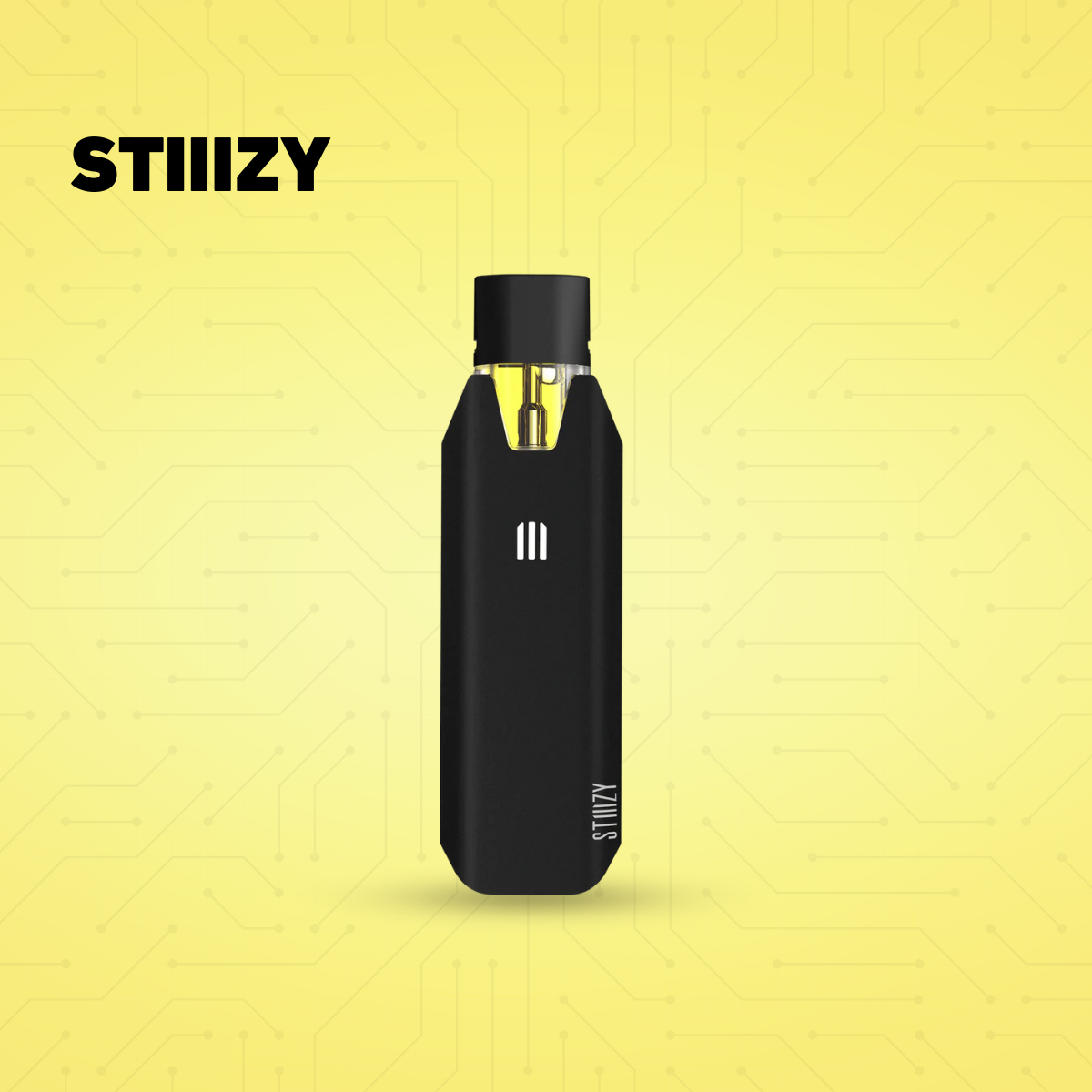






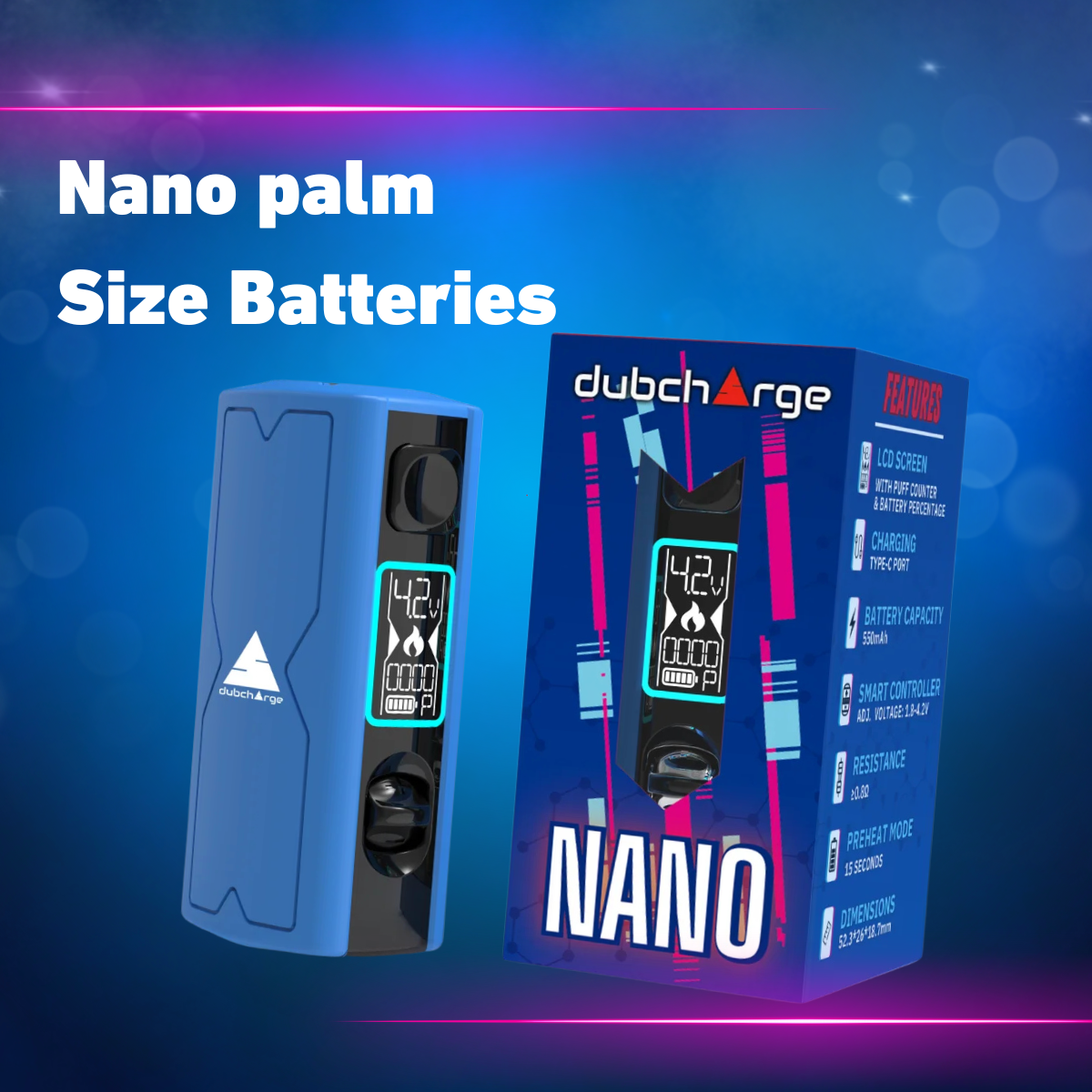
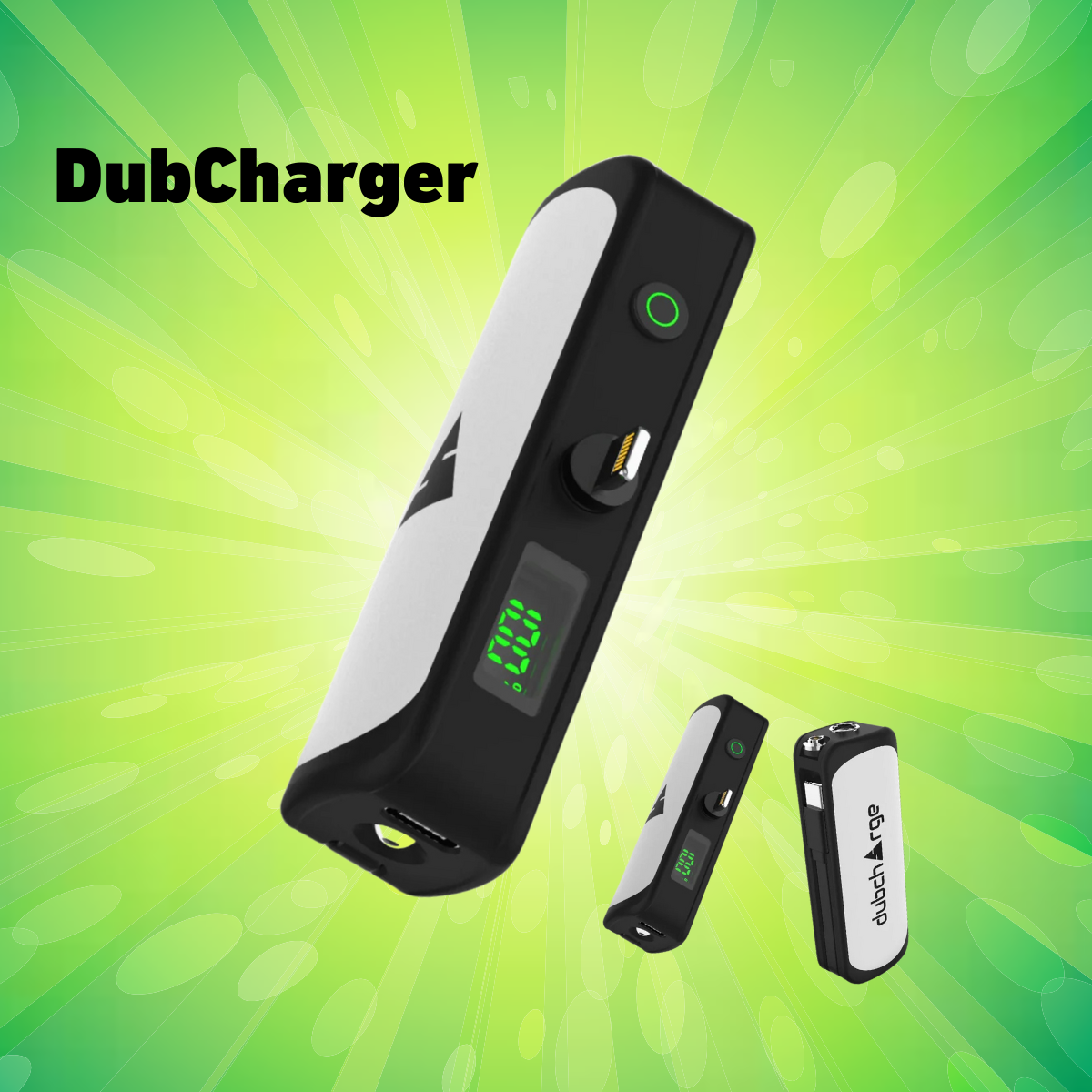
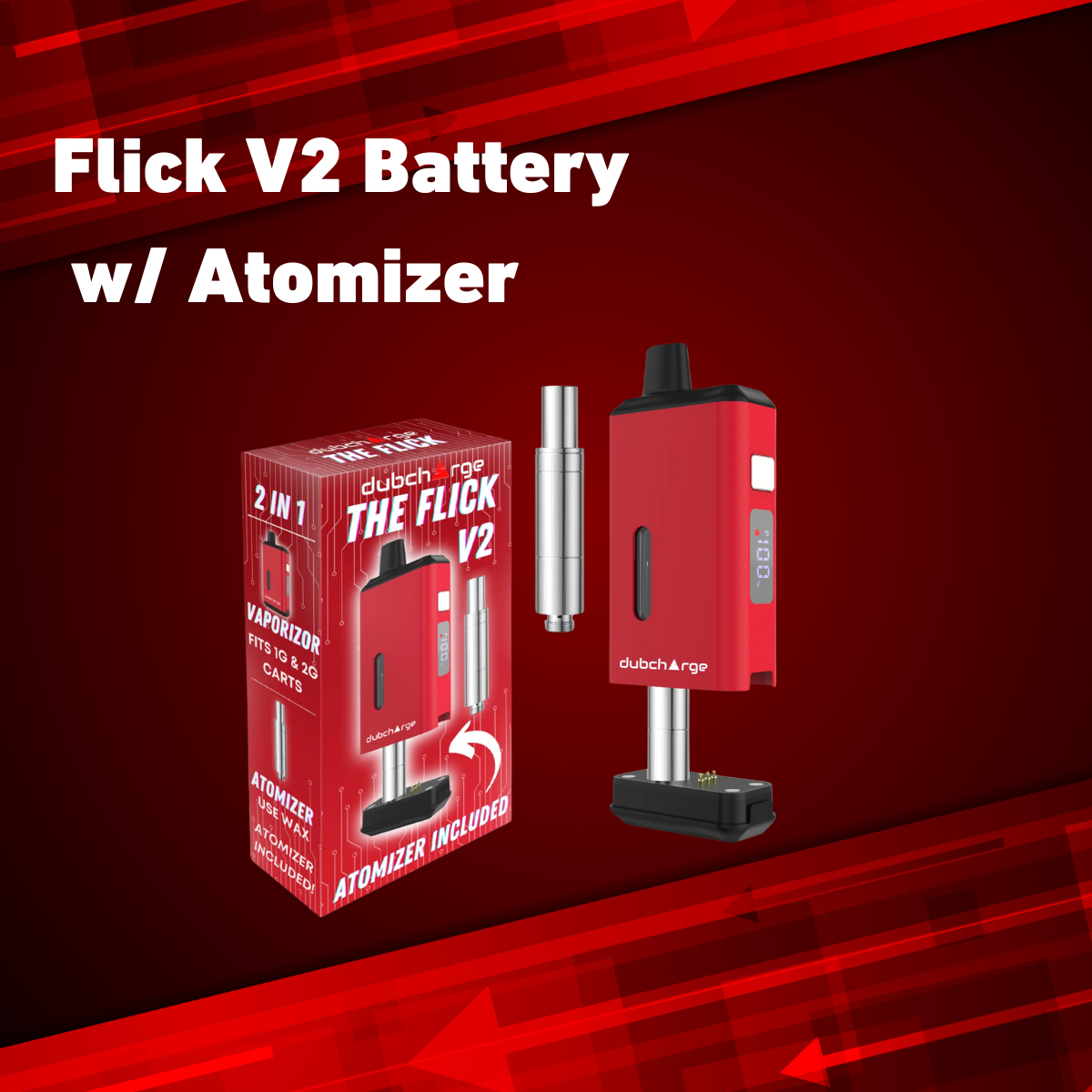

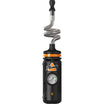

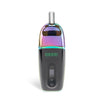

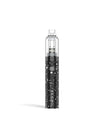










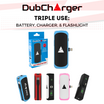
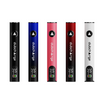
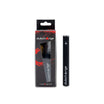
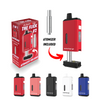



Looking for a safe power source, you may miss risks in 510 batteries. While compact and generally safe, these energy cells are not without hidden perils that threaten safety and performance. Overcharging, heat swings, or a wrong charger can quietly harm your battery. If you dent them or use unprotected batteries, you raise the risk of a short circuit.
Even after they wear out, the wrong disposal of these small batteries harms our environment. These concerns matter for anyone who uses vape batteries daily, especially those relying on a discreet 510 battery for vaping and needing consistent performance. Let’s start with overcharging. It does more than simply waste electricity.
Overcharging Risks and Battery Degradation
You risk real harm by overcharging a discreet 510 battery for vaping. An overcharge happens when you keep the cell on the plug long after it reaches full power. As the charge drags on, extra heat builds, breaks down the core parts inside, and may start a thermal chase. Your vape mod can then corrode.
Leaked fluid can eat the small metal parts deep inside your device. You also court harm when you drain the cell far below safe power limits. Damage may then lock in. If you recharge such a weak cell, its thin parts can spark, short out, and even fail like a tiny firecracker.
Use the right safe fast charger. Pick a tested brand with the UL safety stamp for full trust. Always monitor the charging temperature closely. By keeping an eye on the heat, you catch early signs of trouble, act fast, and can pull the plug at once.
Before you step away, set a timer so the cycle ends on time and spares you from serious overheating danger. Never leave fast charging unsupervised. Before fast charging, always inspect the battery’s current and clean condition. These precautions help maintain safe and reliable vaping practices and extend the life of your discreet 510 battery.
Temperature Extremes Affect Battery Performance
Temperature extremes can greatly influence the performance and safety of lithium-ion batteries.
High heat conditions: When you leave your phone or vape device in a hot car, extra energy builds up inside the cells and can spark rapid heat. You risk a fire. High heat also breaks down the thin safety layers. You should store your devices in the shade because even brief peaks above 95 degrees strain each cell.
Cold weather effects: Cold brings new troubles. At low temperatures, the inner chemicals slow, so you see a weak charge. Your battery drains much quickly outside. Stay in a mild range because weeks of cold can scar the plates inside and cut the life in half. On winter trips or outdoor activities, you can keep your gear warm by placing a spare pack close to your body heat. Small habits like this keep your devices ready when you need them most.
Internal insulation and design: Good design slows such harm. Thick insulators keep parts apart and block stray sparks. When makers skip this step, heat or cold may cause sudden failures. These tips apply to phones, bikes, drones, and other wired tools. Your care choices, big or small, change how long cells last. A discreet 510 battery especially benefits from temperature stability because compact designs heat faster than larger devices.
Avoiding metal dashboards, direct sun exposure, or freezing car interiors helps protect your battery’s lifespan and keeps performance steady throughout the day.
Using Incompatible Chargers Can Be Hazardous
Let’s switch from heat to chargers. Using incompatible ones could endanger your 510 battery and your safety.
Understanding Overheating: Many reports show a clear link between using the wrong charger and overheating events at home. Low-quality chargers may push unstable voltage levels that damage the internal structure of your battery.
Explaining Thermal Runaway: Your incorrect charger may trigger a dangerous process called thermal runaway. This heat build-up can make batteries swell, split, or fail dramatically. The process often begins silently.
Recognizing Re-ignition Risks: Standard tools may not stop lithium battery fires. Once these fires start, they can reignite because the chemical reaction continues to produce heat.
Evaluating Charger Safety: You should always pick a charger that carries an official regulatory mark since that label proves the device meets strict safety rules.
Match both voltage and current output to your battery’s original specifications. With vape devices, this step becomes even more important because small cells are less forgiving of electrical mistakes.
Physical Damage Leads to Potential Failures
You rarely notice when batteries get damaged. Yet this harm can raise real safety risks.
Cracking and Decomposing: When a battery case is damaged, it soon starts to break down. Even tiny cracks let metal parts touch and spark. This spark may release heat that can ignite flames where you would never expect them.
Increased Fire Risk: A punctured battery becomes a serious fire risk. Its hot core can meet air and burst, sending heat that creates sudden flames. These issues escalate quickly.
Safe Disposal: You must take each damaged battery to a proper drop site, sealing its ends so stray sparks never meet trash. Local recycling centers show how safe lithium processing prevents harm. Never throw damaged batteries in household bins or outdoor dumpsters.
Adding a battery case or sleeve reduces the chance of accidental dents from keys, drops, or bags. When transporting a discreet 510 battery, simple protection helps prevent long-term damage.
Unprotected Batteries Pose Short Circuit Threats
Now, consider short circuits. Bare lithium batteries invite a serious hidden threat at home. Unprotected cells spark fast danger. If a tool or coin bridges the terminals, you can face flames within moments. Real-life incidents show how something as small as a loose battery in a drawer can escalate quickly.
These events push safety teams to urge clear daily steps. Your battery care matters most, especially during busy seasons when devices are used more often. Keeping terminals covered, storing batteries in cases, and avoiding cluttered drawers help you stay safe.
Improper Disposal Causes Environmental Harm
When you toss 510 batteries the wrong way, you risk safety and cause harm to our planet.
Contaminated Soil and Water: Tossed 510 batteries leak harmful metals into soil and waterways. They build up over time.
Wasted Resources: Each battery you toss away wastes valuable metals that could be used again. Metals like nickel, cobalt, and copper are often recoverable. By recycling, you cut the need for new mining, save energy, reduce emissions, and protect natural resources.
Air Pollution: If you burn 510 batteries with trash, they send toxic fumes into the air. These fumes affect the air quality for people and animals.
Using local drop-off bins or retailer recycling programs helps reduce environmental strain.
Remember your safety with 510 batteries. At The General Smoke Shop, we encourage proper handling and safe storage. Regularly inspect your devices for damage and buy from reputable sources. Look for quality certifications.
Above all, treat these compact powerhouses with respect. They support reliable everyday vaping. Stay informed, stay secure, and trust The General Smoke Shop for products that put your safety first.


Leave a comment
This site is protected by hCaptcha and the hCaptcha Privacy Policy and Terms of Service apply.