
















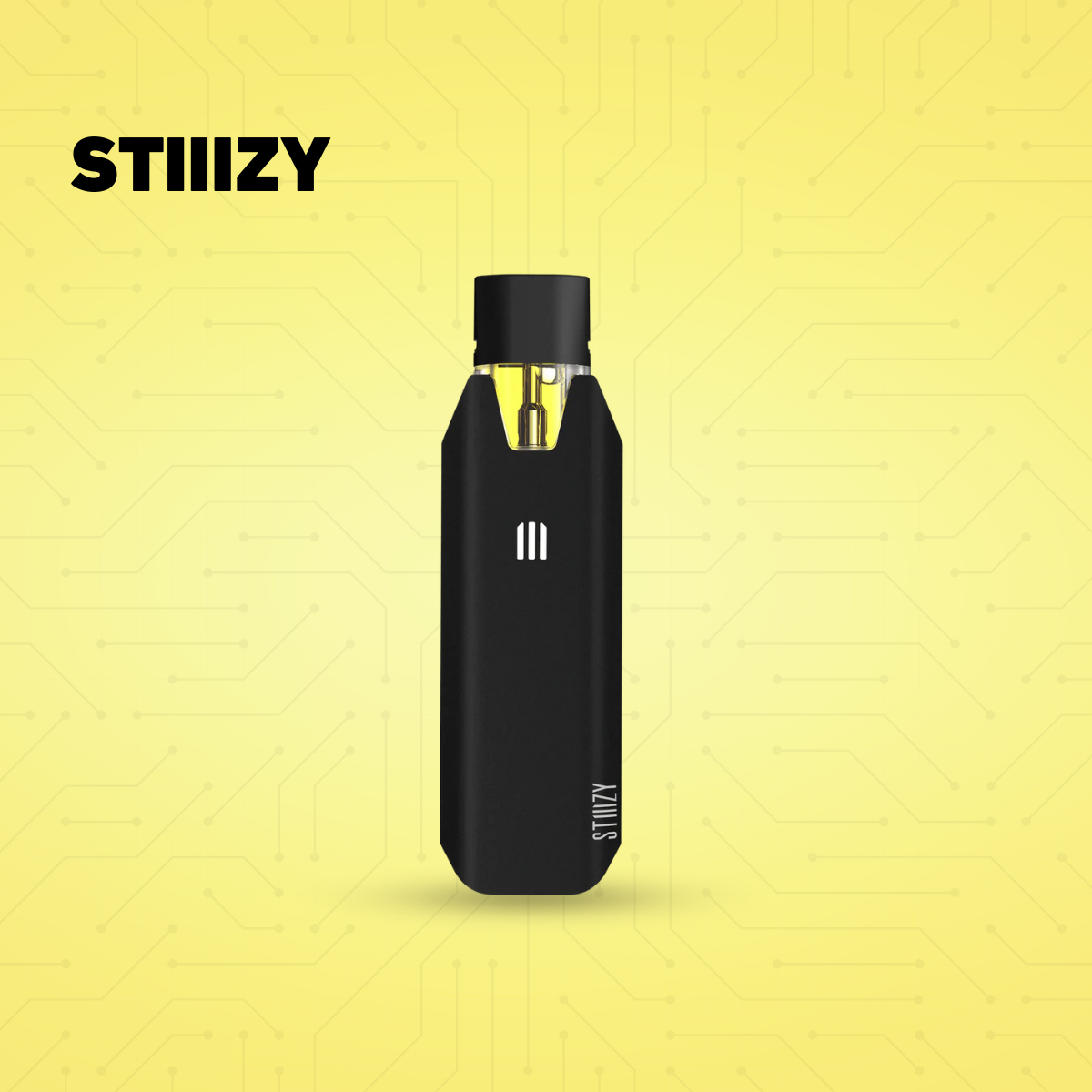






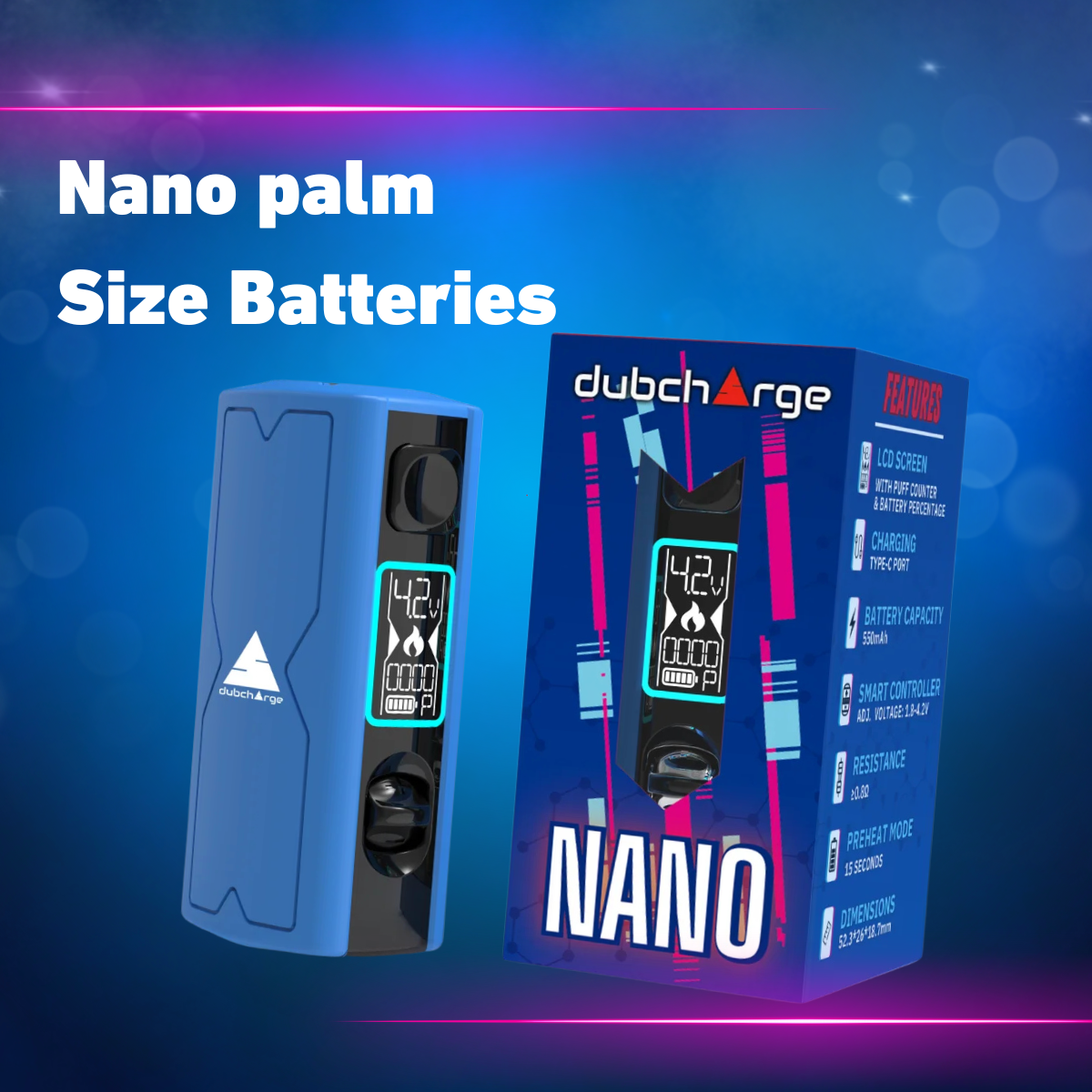
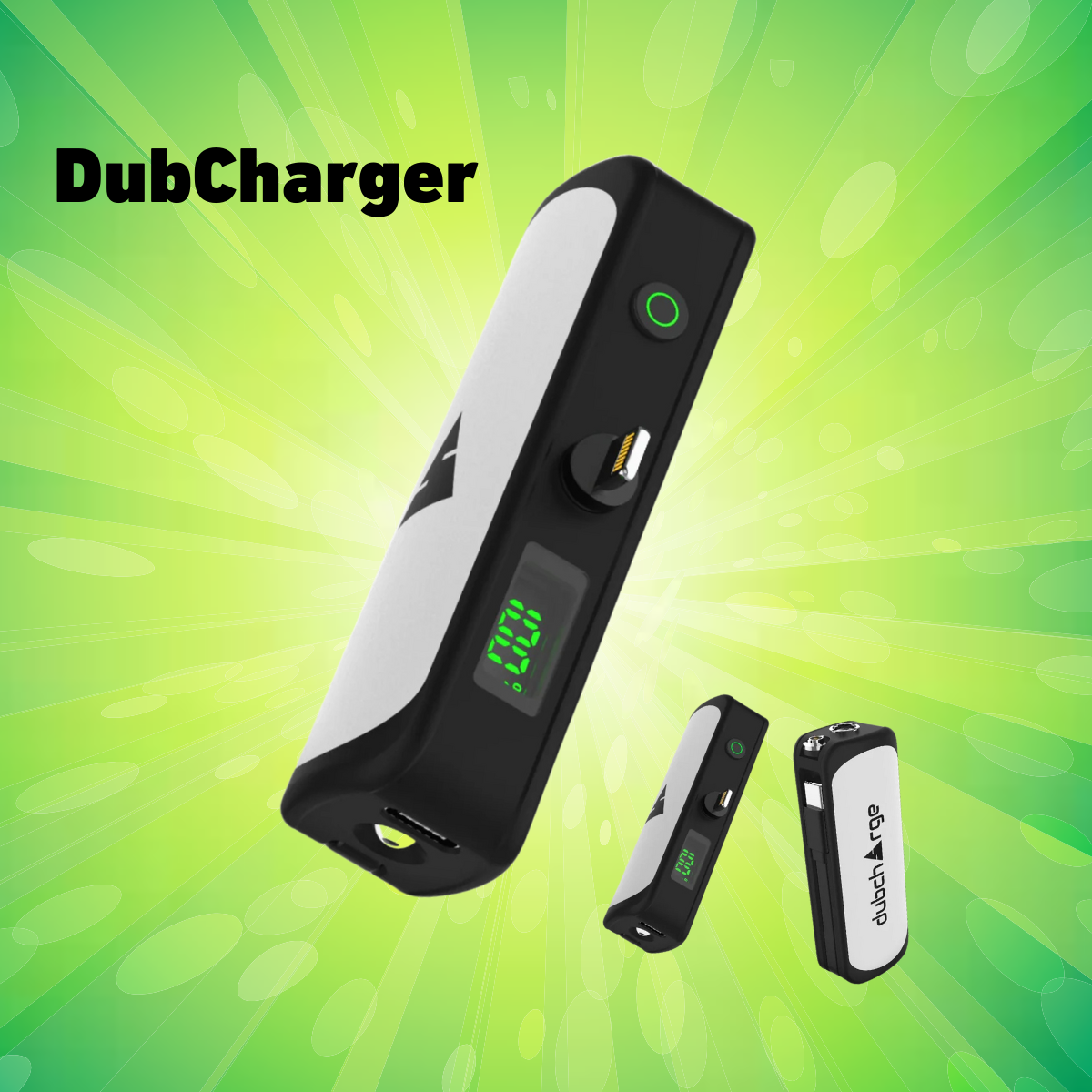
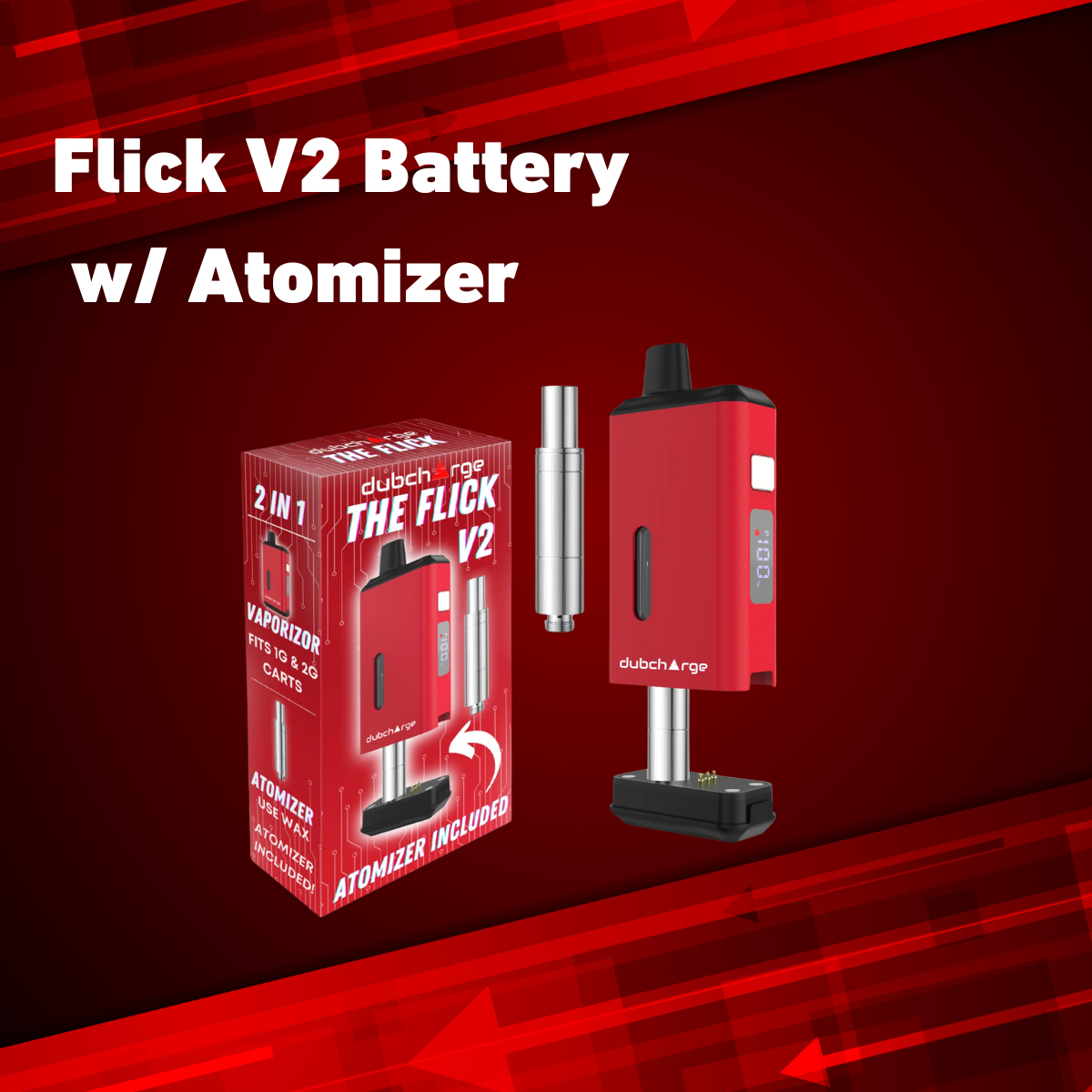

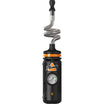

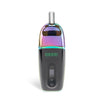

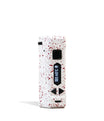
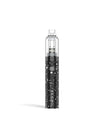








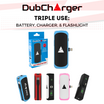
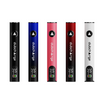
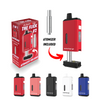


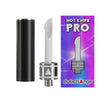
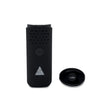

It is critical to stay aware of hidden fire risks associated with discreet 510 batteries when they overheat. These compact power sources are widely used across many vape devices and smoking accessories, which makes proper handling and awareness essential. Overheating can occur for several reasons, including incorrect charging habits or extended, uninterrupted use.
Learning to recognize early warning signs such as excessive warmth, unusual odors, or performance changes can help prevent sudden safety issues. When you spot these indicators early, you reduce the chance of device failure, fire risk, or damage to surrounding items.
Recognize Overheating Indicators Promptly
Recognizing early signs of overheating in a discreet 510 battery for vaping is one of the most effective ways to reduce potential fire hazards. These batteries are designed to be compact and portable, which makes it even more important to stay alert to subtle changes during use or charging.
Charging Precautions: Always use the charger designed for your battery or one explicitly approved by the manufacturer. Using incompatible chargers can increase heat buildup and raise safety risks during charging.
Safe Carrying Method: Store and carry your battery in a separate pocket or protective case. This reduces contact with metal objects such as keys or coins, which can cause short circuits and sudden heat spikes.
Battery Condition Monitoring: Regularly check your battery for visible damage, including swelling, cracks, or dents. If the battery becomes excessively hot or shows physical damage, stop using it immediately to prevent escalation.
Implement Safe Charging Practices
Implementing safe charging habits plays a major role in preventing discreet 510 batteries from overheating. Many battery incidents stem from avoidable charging mistakes rather than product defects.
Proper Charger Usage: Use only chargers that match the battery’s voltage and current requirements. Incorrect charging methods increase the likelihood of lithium-ion battery failure.
Monitor Charging Process: Never leave batteries charging unattended for long periods. Charging overnight or while away increases the risk of unnoticed overheating.
Avoid Extremes: Keep batteries away from extreme heat or cold while charging. Large temperature swings can stress internal components and increase the chance of thermal failure.
Physical Condition Check: Inspect the battery for wear or damage before charging. Compromised batteries are more likely to overheat during power transfer.
Transportation Awareness: When traveling, store batteries securely to avoid pressure, movement, or contact with conductive materials that may trigger overheating.
Store Batteries in Optimal Conditions
Proper storage significantly reduces fire risk and helps extend the lifespan of your battery. If you are concerned about a discreet 510 battery overheating, storage practices matter just as much as charging habits.
Temperature Control: Keep batteries away from high heat environments such as cars, windowsills, or near heaters. Excess heat can increase internal pressure and lead to failure.
Metal Separation: Store batteries in cases or compartments that prevent contact with metal objects. This reduces the risk of short circuits.
Physical Integrity: Avoid placing batteries where they can be crushed, bent, or punctured. Physical damage compromises protective layers and increases fire risk.
Responsible Handling: Be aware that batteries require careful handling throughout their lifecycle, including storage before disposal.
Regularly Inspect for Battery Damage
Routine inspection helps identify risks before they become serious safety issues. Lithium-ion batteries power many devices and can become hazardous quickly when damaged or neglected.
Visual Inspection: Look for bulging, discoloration, or leaks, which may indicate internal damage.
Case Integrity: Ensure the outer casing is intact and free from cracks or breaks.
Connector Condition: Check that connectors remain clean, secure, and free of corrosion.
Environmental Awareness: Keep batteries away from damp environments or excessive humidity, which can affect performance and safety.
Avoid Using Incompatible Chargers
Using the correct charger is one of the most important safety measures for any discreet 510 battery. Incompatible chargers can cause rapid overheating and significantly increase the risk of fire. Because many chargers look similar, it is easy to assume they are interchangeable. That assumption often leads to damaged batteries, reduced lifespan, or sudden safety issues.
A charger that delivers too much or too little power can stress internal components, leading to heat buildup that may not be immediately noticeable. Taking a few extra seconds to verify charger compatibility helps protect both your device and your surroundings.
Compatibility Check: Confirm that the charger matches the battery’s voltage and amperage requirements. Even small mismatches can lead to overheating and long-term battery damage.
Approved Accessories: Use chargers recommended by the manufacturer to ensure proper fit, stable power flow, and safer charging conditions.
Charging Supervision: Stay nearby during charging so you can respond quickly if the battery becomes unusually warm or shows signs of malfunction.
Limit Continuous Usage to Prevent Heat
Extended, uninterrupted use can cause compact batteries to heat up faster than larger power sources. Managing usage patterns helps maintain safe operating temperatures.
Usage Breaks: Take short breaks between sessions to allow the battery to cool down.
Charging Awareness: Avoid using batteries immediately after charging, as residual heat can compound temperature buildup.
Surface Safety: Never place charging or recently used devices on soft or flammable surfaces such as beds or couches.
Ongoing Education: Staying informed about battery care helps reduce avoidable risks associated with overheating.
Smart Usage Habits: Understanding how heat builds up over time allows you to adjust usage and charging behavior proactively.
Dispose of Batteries Responsibly and Safely
Proper disposal is essential for both safety and environmental responsibility. Improperly discarded batteries pose serious fire risks even after they stop working.
Recycling Locations: Use approved battery recycling centers rather than placing batteries in household trash.
Risk Awareness: Improper disposal can lead to fires during waste handling and transportation.
Community Impact: Unsafe disposal practices can disrupt recycling and waste services, creating broader safety concerns.
Safety First: Responsible disposal helps protect sanitation workers, facilities, and your local community.
In summary, discreet 510 batteries may be small, but the risks associated with overheating are real and should not be ignored. With proper charging, storage, inspection, and usage habits, these risks can be significantly reduced.
At The General Smoke Shop, we focus on helping customers make informed choices by offering reliable products and clear guidance. Choosing the right accessories, using approved chargers, and following basic safety practices allows you to enjoy your vape devices with greater confidence and peace of mind.


Leave a comment
This site is protected by hCaptcha and the hCaptcha Privacy Policy and Terms of Service apply.