



















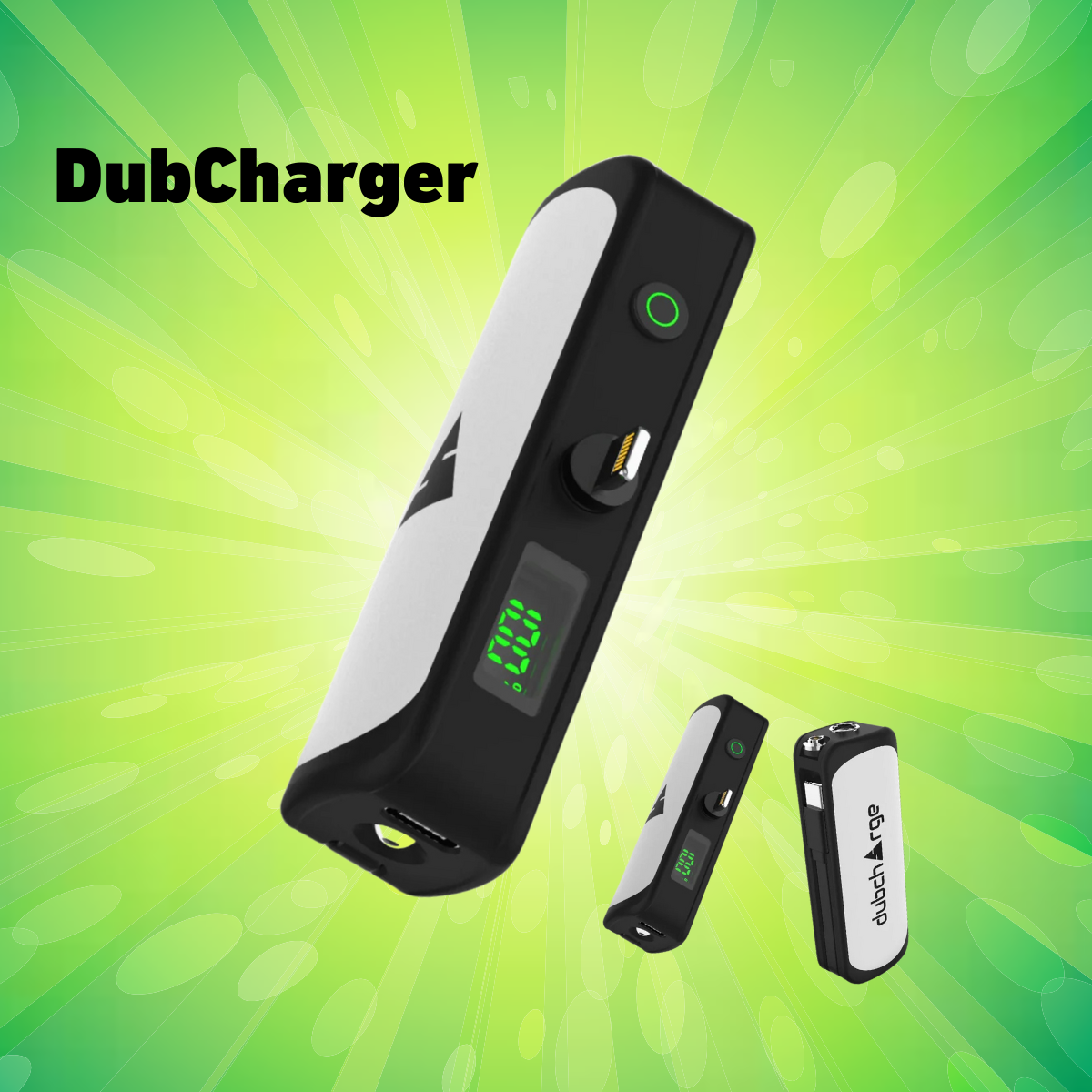
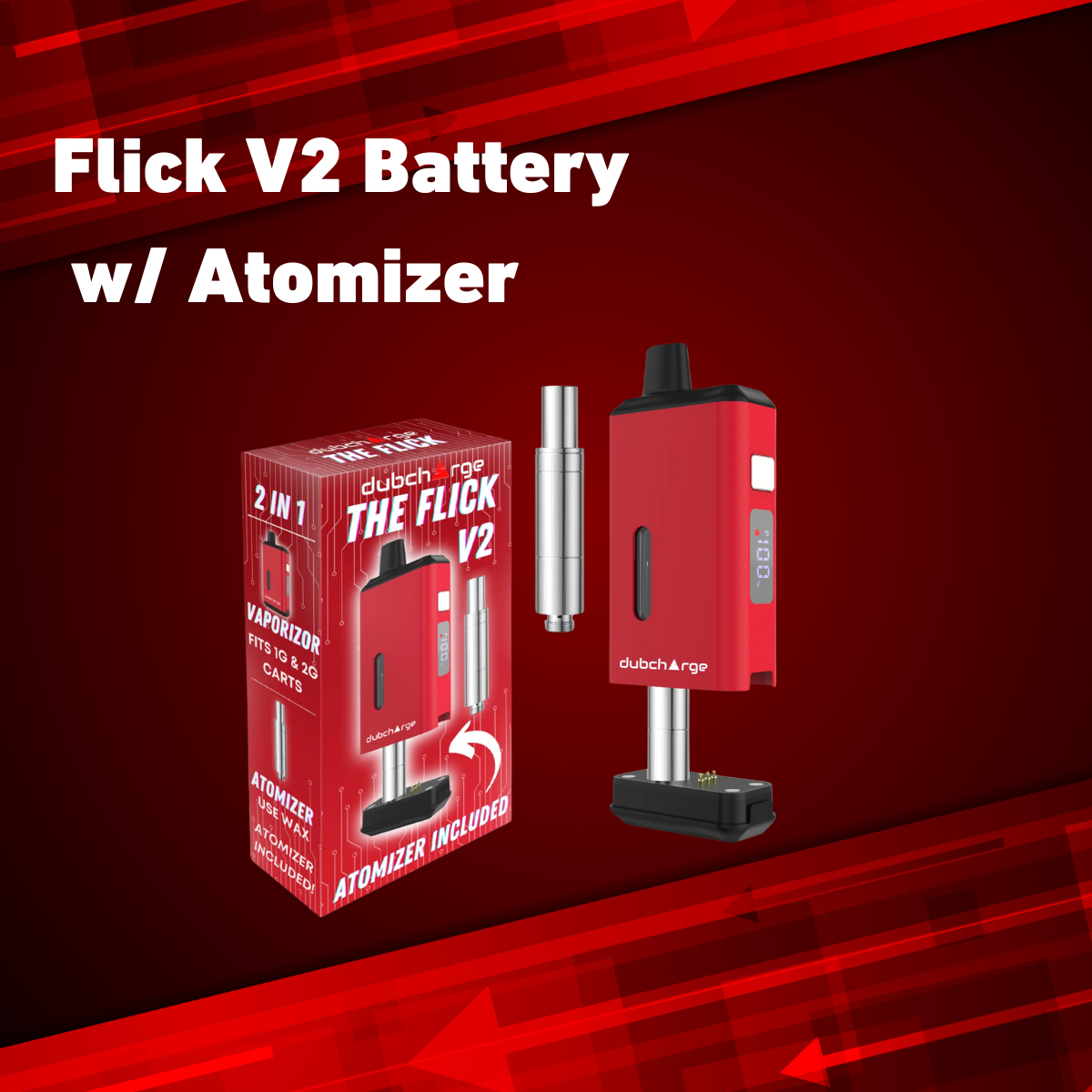


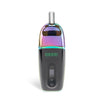
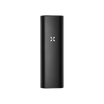
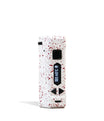
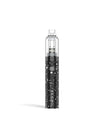






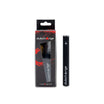
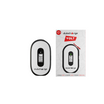
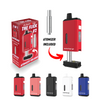
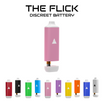
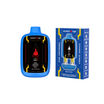

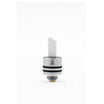
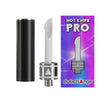
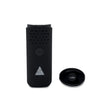

Choosing between a plug-and-play battery and a 510 thread can be quite a choice for you as a vape user. Each type has its own set of features, shaping performance, cost, and overall experience. You often weigh these points while checking fit with the vape devices and brands you prefer. Making the right choice comes down to understanding how each system works in real use.
To make a smart decision, you need to look at more than compatibility. You should also consider ease of use, maintenance, and how each battery fits into your daily routine. Some users prefer quick, simple setups, while others want flexibility and control. Both battery types offer advantages depending on what matters most to you.
With these factors in mind, it is important to review how each battery type performs over time. Battery care, charging habits, and compatibility all affect long-term value. Let’s start by breaking down what defines a plug-and-play battery and how it compares in everyday use.
Plug n Play Battery Overview
When choosing a battery for your vape, you are balancing simplicity and performance. Here are the key aspects of a plug-and-play battery for vapes:
Compatibility: Plug-and-play batteries are designed for specific cartridges, creating a direct and reliable connection. This removes guesswork and ensures consistent performance.
Operation: Many plug-n-play batteries are draw-activated, allowing you to inhale and activate the device without pressing buttons.
Design: These batteries often feature a compact and streamlined look, making them easy to carry and store.
Maintenance: With fewer components, maintenance is simple. Light cleaning and proper storage are usually enough to keep the device working properly.
This type of battery focuses on convenience. It is built for users who prefer a straightforward setup with minimal adjustments.
Thread Battery Compatibility
Thread battery compatibility involves more than just physical fit. It also includes how voltage, resistance, and oil type interact with the battery.
Thread Standard: The 510-thread system is widely used across vape cartridges. This allows 510 batteries to work with many different cartridge types.
Voltage and Resistance: Matching cartridge resistance with battery voltage helps maintain consistent performance and avoids overheating.
Oil Viscosity Matters: Thicker oils may require higher voltage or preheat features, while thinner oils perform better at lower settings.
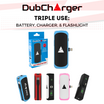
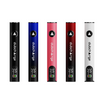
A discreet 510 battery offers flexibility, making it a strong option for users who want to switch between different cartridges and products.
Performance Comparison: Plug n Play vs 510
Performance differences between plug-n-play and 510 batteries come down to design and usage style.
Battery Life: Plug-n-play devices often provide steady battery performance designed around their specific system.
Portability: 510-thread batteries are typically compact and easy to carry, making them suitable for daily use.
Compatibility: 510 batteries support a wide range of cartridges, offering more flexibility.
Convenience: Plug-and-play systems eliminate threading and simplify setup with direct connections.
Consistency: Plug-and-play systems are optimized for their cartridges, which can provide consistent output across sessions.
Each system performs well when used as intended. The choice depends on whether you value simplicity or flexibility.
Cost Analysis: Plug n Play vs 510
Cost considerations play a major role when selecting between these battery types.
Initial Investment: Plug-and-play batteries may have a higher upfront cost due to their system-specific design.
Compatibility and Availability: 510 thread batteries are widely available and often more affordable due to their universal design.
Long-Term Value: Plug-and-play systems can provide consistent performance over time, while 510 systems offer flexibility that may reduce the need for multiple devices.
Efficiency and Performance: Batteries designed for specific systems may deliver more consistent results, while universal batteries offer adaptability.
Evaluating cost involves looking at both the initial purchase price and long-term usage.
User Experience: Plug n Play vs 510
User experience varies depending on how you prefer to use your device.
Plug-and-play batteries provide a simple setup. You insert the compatible cartridge, and the device is ready for use. This design removes extra steps and simplifies operation.
510 thread batteries offer more variety. You can choose from different cartridge types, oil viscosities, and voltage settings. This flexibility allows users to adjust their experience based on preference.
Battery capacity also affects experience. Some plug-and-play devices are designed for longer use between charges, while certain 510 batteries may require more frequent charging depending on size and power settings.
Both systems deliver reliable performance. The difference comes down to whether you prefer simplicity or customization.
Maintenance Needs: Plug n Play vs 510
Maintenance plays a key role in battery lifespan and performance.
Cleaning Routine: Keeping contacts clean helps maintain a stable connection. 510 batteries may require more frequent cleaning due to interchangeable cartridges.
Battery Lifespan: Both battery types can last a long time with proper care. Charging habits and storage conditions affect longevity.
Cartridge Compatibility: 510 batteries support a wide range of cartridges, while plug-and-play systems require compatible options.
Environmental Considerations: Reusable batteries help reduce waste over time when properly maintained.
Understanding maintenance needs helps you choose the option that fits your routine.
Making the Right Choice for You
Choosing the right battery depends on your preferences and how you plan to use it. Consider these key points:
Compatibility: If you want flexibility, a 510-thread battery allows use with many cartridges.
Usage Style: Plug-and-play systems offer a simple setup with minimal adjustments.
Portability: Both options are portable, but compact 510 batteries may offer more variety in size.
Control: Adjustable voltage options in 510 batteries allow more customization.
Budget: 510 batteries are often more cost-effective, while plug-and-play systems focus on convenience and consistency.
Choosing between a plug-and-play battery and a 510-thread system depends on what matters most to you. Plug-and-play batteries provide simplicity and direct compatibility, while 510-thread batteries offer flexibility and broader options.
At The General Smoke Shop, we offer reliable vape batteries and chargers designed to support different preferences. Whether you prefer a simple setup or more control, you can find the right option to match your routine.


Leave a comment
This site is protected by hCaptcha and the hCaptcha Privacy Policy and Terms of Service apply.