














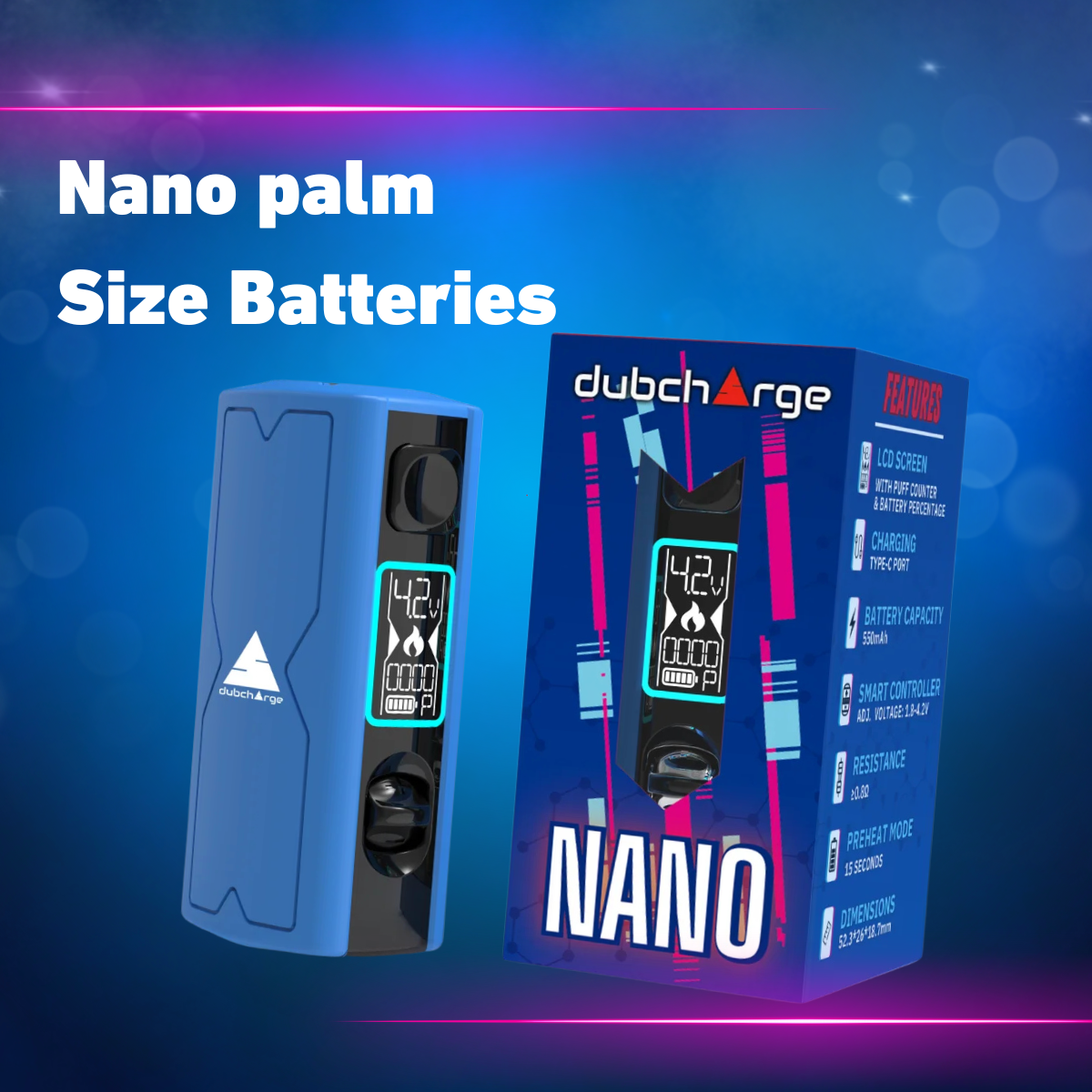
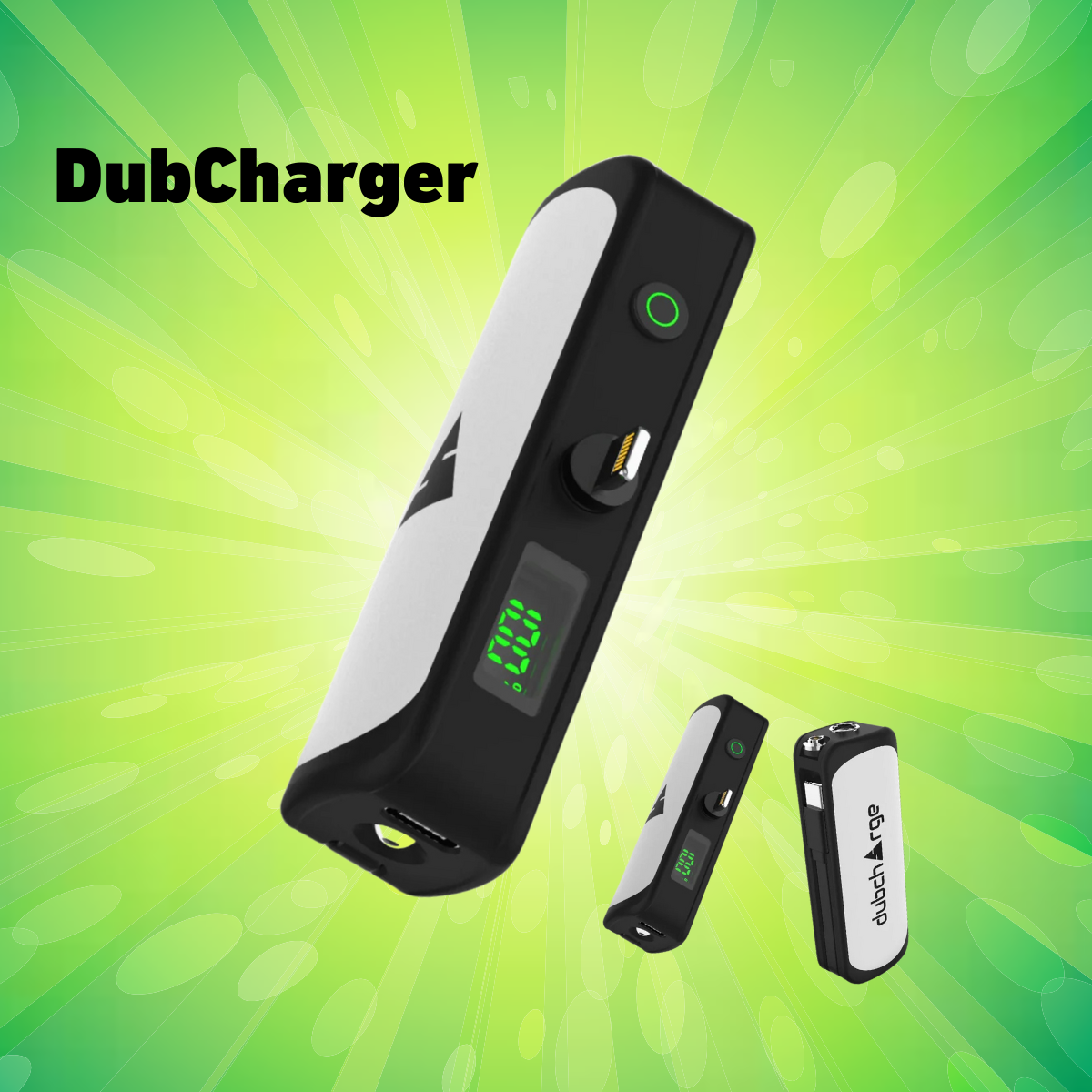
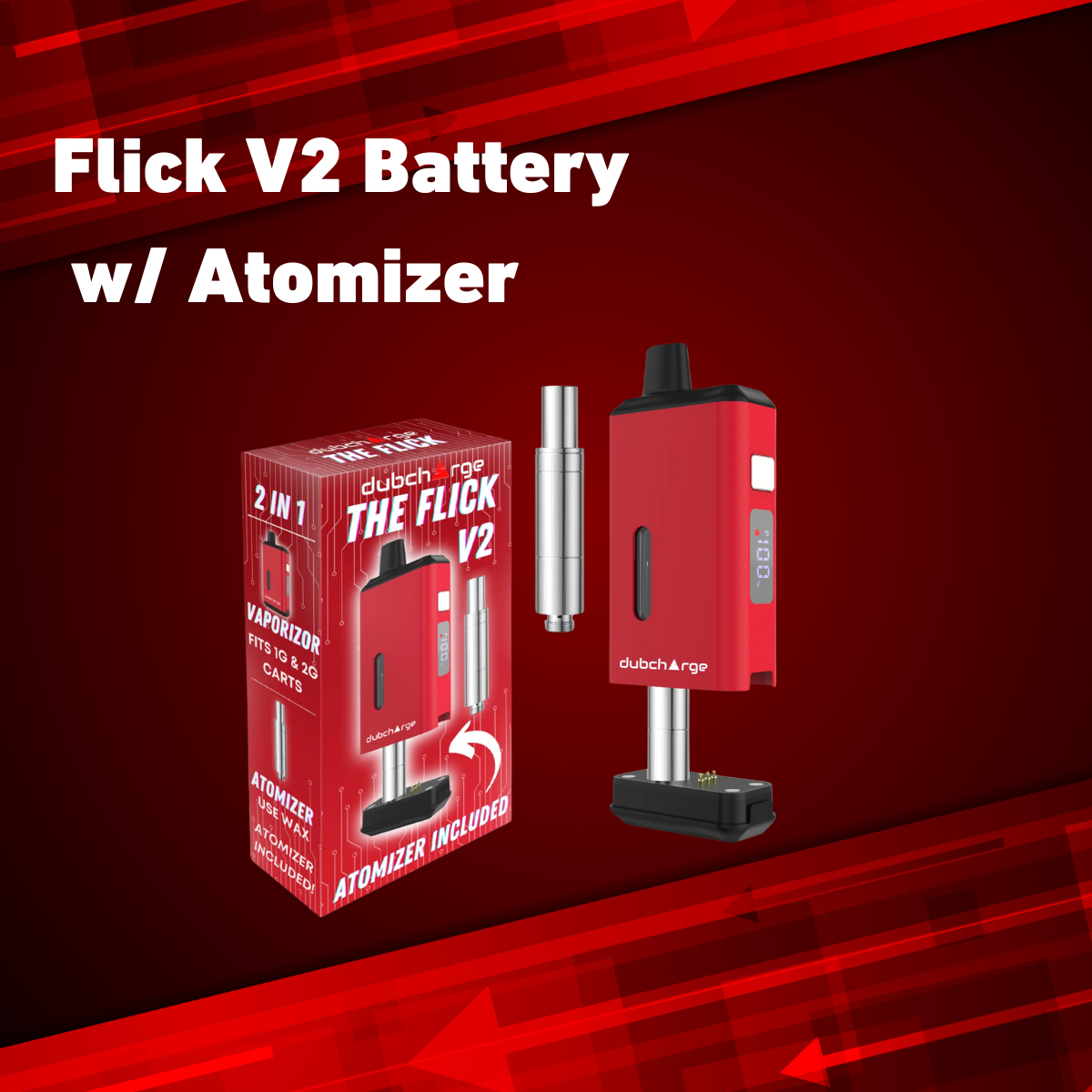









Clogged vape cartridges are a common issue for many users. Restricted airflow, thick oil buildup, and blocked mouthpieces can interrupt your session and affect device performance. Learning how to unclog a cart safely can help maintain smoother airflow and reduce unnecessary cartridge replacement.
Different unclogging methods require different levels of effort, care, and maintenance. Some methods involve gentle warming, while others focus on cleaning airflow paths or improving storage habits. Choosing the right approach often depends on the type of clog, the oil consistency, and the condition of the cartridge itself.
At The General Smoke Shop, we regularly help users with troubleshooting clogged vape carts and identifying practical maintenance habits that support more reliable performance. Comparing unclogging methods side by side helps users understand which options are safest and most effective for routine care.
One of the most common approaches begins with gentle warming.
Warm the Cart to Loosen Oil
Warming a vape cartridge carefully may help loosen thick oil and improve airflow when colder temperatures affect oil movement.
- Warm the Cartridge by Hand: Holding the cartridge in your palm for about 30 seconds may gently soften thicker oil using body heat alone.
- Use Mild External Heat: A hair dryer on a low setting held several inches away for a short time may help warm the oil gradually.
- Avoid Extreme Temperatures: Excessive heat may affect cartridge materials or oil consistency, so gentle warming methods are preferred.
- Maintain Room Temperature Storage: Stable storage conditions help oils remain at a more consistent viscosity.
- Check Airflow Gradually: Test airflow carefully after warming before attempting additional cleaning methods.
This method is often one of the safest starting points because it avoids aggressive handling or unnecessary force.
Gently Inhale Without Activating Battery
Testing airflow without activating the battery may help identify whether the problem is truly a clog or another device issue.
- Check Airflow Resistance: Gentle draws without battery activation can help determine how restricted the airflow is.
- Identify Partial vs. Full Blockages: A weak draw may indicate buildup, while no airflow may suggest a more severe blockage.
- Protect Cartridge Components: Avoiding battery activation during testing helps reduce unnecessary heat exposure.
- Reduce Leak Risk: Gentle airflow testing may help prevent forcing excess oil into the mouthpiece.
- Save Maintenance Time: This simple step can help narrow down the source of the issue before deeper troubleshooting begins.
Sometimes, airflow problems are related to battery connection issues rather than cartridge blockages alone.
Use a Toothpick Carefully to Clear Blockages
Some users choose to clear visible residue manually when buildup appears near the mouthpiece opening.
- Use Gentle Pressure: A wooden toothpick may help remove visible buildup near the mouthpiece when used carefully.
- Avoid Internal Damage: Never force tools deeply into the cartridge, as this may damage airflow channels or heating components.
- Focus on Surface Residue: Light cleaning near the opening is generally safer than probing deep into the cartridge.
- Inspect Airflow Frequently: Test airflow gradually instead of applying repeated force.
- Use as a Secondary Method: Manual clearing often works best after gentle warming softens thick residue first.
Careful handling remains important during any physical cleaning method.
Store Cart Upright to Prevent Clogs
Storage habits play a major role in cartridge performance and long-term airflow reliability.
- Keep Oil Near the Heating Element: Upright storage helps prevent oil from shifting into airflow channels.
- Reduce Mouthpiece Residue: Vertical positioning helps minimize oil buildup around the mouthpiece area.
- Limit Leakage: Proper storage may reduce leaks that contribute to sticky airflow blockages.
- Protect Cartridge Structure: Stable positioning helps reduce rolling, tipping, or accidental damage.
- Maintain Consistent Performance: Proper storage habits support smoother airflow and more reliable operation over time.
Cartridges stored upright at room temperature generally experience fewer airflow interruptions.
Avoid Cold Temperatures to Maintain Flow
Temperature changes can affect oil consistency and cartridge functionality.
- Cold Thickens Oil: Lower temperatures may cause oil to move more slowly through the cartridge.
- Restricted Airflow: Thickened oil may contribute to tighter draws and increased clogging.
- Potential Seal Stress: Extreme cold may affect cartridge seals and internal materials over time.
- Battery Performance Changes: Vape batteries may perform less consistently in colder environments.
- Indoor Storage Helps Stability: Storing cartridges and vape batteries indoors at moderate temperatures supports steadier performance.
Stable environmental conditions help maintain smoother airflow and reduce maintenance needs.
Clean Mouthpiece Regularly to Ensure Airflow
Routine mouthpiece cleaning remains one of the most effective ways to maintain consistent airflow.
- Prevent Residue Buildup: Cleaning the mouthpiece regularly helps remove oil residue before it restricts airflow.
- Reduce Condensation Issues: Clearing moisture buildup helps maintain a cleaner airflow path.
- Maintain Flavor Quality: Cleaner airflow areas help preserve more consistent vapor quality.
- Support Device Longevity: Routine maintenance may help reduce strain on cartridge components.
- Improve Overall Consistency: Regular cleaning often supports steadier daily performance.
Soft cloths, cotton swabs, and gentle cleaning solutions generally work best for routine upkeep.
Use Preheat Function to Loosen Thick Oil
Many modern vape batteries include a preheat function designed to warm thicker oils gradually before use.
- Simple Activation: Preheat settings are often easy to access through the battery controls.
- Gradual Oil Warming: Gentle preheating may help improve oil movement before inhalation.
- Reduce Coil Stress: Allowing oil to loosen before full activation may reduce uneven heating.
- Improve Airflow Consistency: Preheating can help support smoother draws in thicker oil cartridges.
- Support Routine Maintenance: Used correctly, preheat functions may help reduce repeated clogging issues.
Moderate use of preheat settings often works better than repeated high-temperature activation.
Comparing unclogging methods shows that gentle warming, routine cleaning, controlled airflow, and proper storage are generally the safest long-term approaches for cartridge maintenance. More aggressive techniques may solve temporary issues, but can also increase the risk of damaging cartridge components if used improperly.
At The General Smoke Shop, we encourage users to focus on simple maintenance habits first before attempting more forceful cleaning methods. Small routine steps often help reduce buildup, improve airflow consistency, and support longer-lasting cartridge performance.
Whether you use vape devices and brands, vape batteries and chargers, hemp products, CBD gummies, pre-rolls, or smoking accessories, proper cartridge care helps maintain smoother sessions and more reliable device performance over time.


Leave a comment
This site is protected by hCaptcha and the hCaptcha Privacy Policy and Terms of Service apply.