
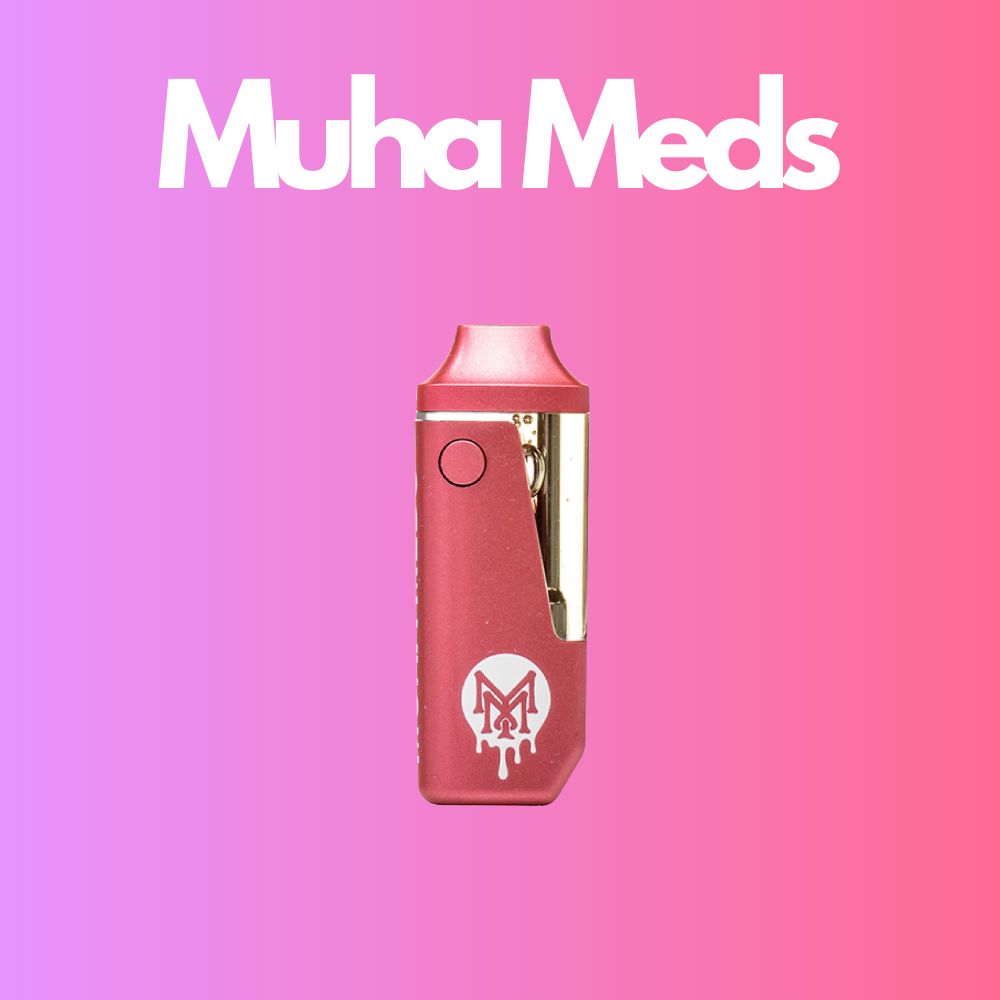







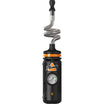

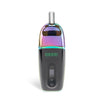
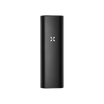
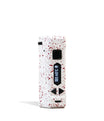

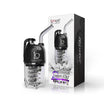


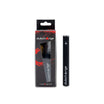
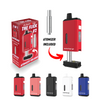
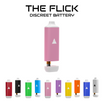
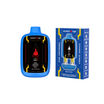

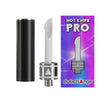
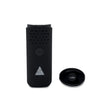
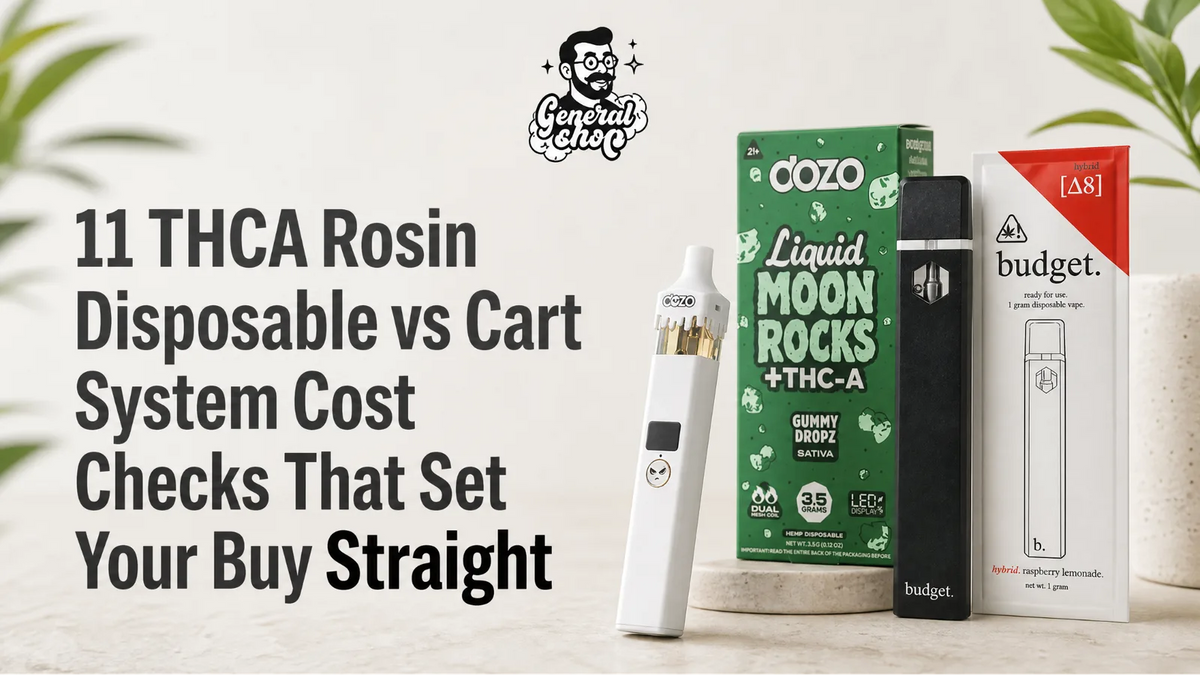
Yes, a THCA rosin disposable is available, and you choose the right one by verifying it is solventless live rosin on the label and COA, then checking if the hardware can actually handle thick rosin without clogging. If you are tired of “rosin” being used as a vibe word, you are not overreacting.
Here’s what matters most right now:
- If the label or COA does not clearly say rosin, assume it is a blend.
- “Rosin infused” is a red flag phrase that often hides mixed oil.
- Live rosin is solventless and terpene-forward, so it carries a real price premium.
- Compare value using three numbers: total grams, total price, and daily sessions.
- Track how long it lasts by sessions, not puff-count claims.
- Clogging risk comes from viscosity, airflow, and coil saturation, not bad luck.
- Warm-up pulls and a gentle inhale fix many rosin disposable issues fast.
In our shop, we focus on lab-tested, compliant THCA rosin disposable options and we curate rosin brands like Black Roses and FVKD x Loud. You will also see concentrate-only alternatives like the Black Roses THCA Live Rosin Booster Syringe 3.5G ($19.99) if you decide an all-in-one disposable is not your best value. Shipping, tracking, discreet packaging, and 21+ age requirements vary by state, and THCA rules can change, so always confirm your local and state requirements before you order.
Before you compare costs, start with the 15 second format reality check, because a THCA rosin disposable is a single-use, draw-activated, pre-filled disposable with an integrated battery, and that one detail changes your math immediately.
1. Start with the 15 second format reality check
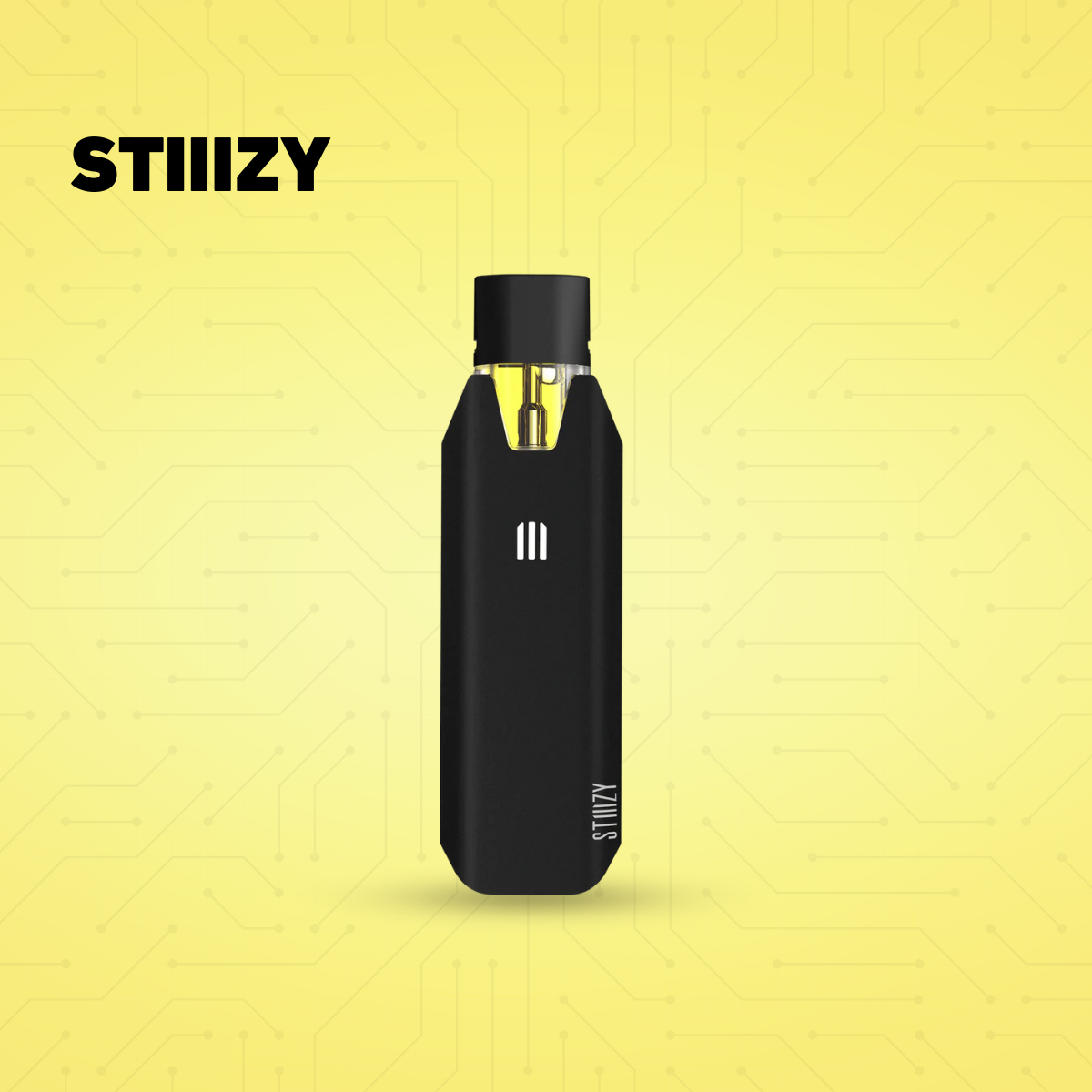
 Before you compare prices, get clear on what you are buying: the format changes what you pay for. A disposable is an all-in-one, single-use device with the oil already inside and the hardware built around it. You use it until it is empty, then you discard the whole unit.
A cart system splits the purchase into two parts: you keep using the same reusable battery, and you replace only the oil (the pre-filled cartridge) as needed. That separation is where cost hides. With a disposable, you are paying for oil plus the integrated battery, heating element, and housing every time.
With a cart system, more of your repeat spend is on oil, while the hardware cost is mostly upfront.
2. Use the rosin mini table to avoid category traps
 The fastest way to overpay is comparing “rosin” prices against live resin or distillate without realizing they are different categories. If you are worried about paying a rosin premium for a distillate blend, you are thinking about the right problem: real live rosin is solventless and should be clearly labeled and COA-verifiable as rosin, not vaguely “THCA oil.”
Here is the mini table we use with customers:
- Live rosin: solventless, terpene-forward concentrate made with mechanical separation (think heat and pressure), so flavor and aroma tend to be the headline.
- Live resin: solvent-based extraction, meaning it relies on solvents like butane, propane, ethanol, or carbon dioxide, then gets purged and finished into a terpene-rich oil.
- Distillate: potency-first oil that is typically thinner and more uniform; it is built for high cannabinoid numbers, not for preserving a strain-true terpene profile.
If the label leans hard on “rosin” but the COA or product name only says distillate or a generic oil, assume it is a blend until proven otherwise.
3. Run the COA pass-fail scan for real rosin
Before you compare price, do a quick COA pass-fail. Your biggest risk is paying “rosin” money for a distillate blend, and the paperwork usually gives it away fast.
Start with the label language. It should plainly say rosin, not vague phrases like “premium extract” or “terp blend.” Next, the extraction method needs to say solventless. If you cannot find “solventless” anywhere on the packaging or report, do not assume it is true rosin.
Then verify the third-party lab report is batch-specific and current enough to match what you are holding. Use COA verification guidelines: the product name plus the lot or batch number on your packaging should match the same identifiers on the COA, and the report should be readable, complete, and easy to access. A COA that is missing batch identifiers or looks like a generic PDF with no clear lab credentials is an automatic fail.
4. Spot the blend red flags that spike your cost
The fastest way to overpay is buying “rosin” that is really a blend. Your label tells on it, if you know the red-flag phrases.
Start with vague wording like “rosin infused.” Infused usually means rosin is an ingredient, not the whole fill, so you may be paying live rosin pricing for a base that is cheaper and performs differently.
Next, watch for “terpenes added.” Real live rosin already has a natural terpene profile. Added terpenes are not automatically bad, but that language often shows the product was adjusted for flavor after the fact, which is common in blends.
Finally, do not ignore missing traceability. If there is no batch or lot ID on the packaging, and no QR that ties your exact unit to a matching COA, you cannot confirm what is in that device. COA verification guidelines are simple on this point: the identifiers must match.
5. Build your quick cost model in 3 numbers
 You do not need perfect puff counts to sanity-check what you are paying. Use three numbers: total grams in the device (or syringe), total price you pay, and how many sessions you take per day.
Here is the quick estimate: cost per session = total price divided by (total grams x sessions per gram). Since sessions per gram varies by how long your pulls are, pick a simple benchmark that matches your routine and keep it consistent across products. For example, if a 3.5G item costs $34.99 and you estimate 30 sessions per gram for your style, that is $34.99 / (3.5 x 30) ≈ $0.33 per session.
Compare that to a 3.5G syringe like Black Roses THCA Live Rosin Booster Syringe 3.5G at $19.99 using the same sessions-per-gram assumption.
Bigger fills stop saving you money when your usage pace is slow enough that the last third sits and degrades in day-to-day experience, or when the hardware performance drops before you finish the oil. At that point, the cheaper per-gram math looks good, but your per-session value does not.
6. Reality-check how long live rosin lasts for you
Forget puff-count myths. With a THCA rosin disposable, you get a more useful estimate by tracking sessions: how many short pulls you take in one sitting, and how many sittings you get before flavor drops or the device stops producing consistent vapor.
Live rosin also feels different pull to pull because it is thicker and terpene-heavy. A longer draw can heat the oil and coil more, so the next pull may feel stronger, warmer, or more flavorful even though you did not change anything. That is normal with solventless concentrates.
Your tolerance and voltage sensitivity matter more than you expect. If you chase big hits with higher voltage, you can burn through oil faster and make the experience harsher. Peer-reviewed vaporization research shows voltage is a poor indicator of actual coil temperature, and variable-voltage setups can run much hotter than you think, so keep your draws gentle and consistent.
7. Compare clog risk and underperformance drivers
 Clogs and weak hits usually come from three mechanical issues: thick rosin moving too slowly (viscosity), restricted airflow, and a coil that is either starving for oil or getting flooded. Live rosin is naturally viscous, and that viscosity swings hard with temperature. cannabis oil viscosity studies show the drop in viscosity between 30 and 70°C is two orders of magnitude, which is why the same device can feel “fine” indoors and struggle outside.
Hardware choices that lower risk are simple: a clean, consistent air path (no overly tight draw), a coil design that wicks thick oil reliably, and a chamber that keeps the coil saturated without pooling. In real use, draw-activated disposables tend to underperform when you take repeated hard pulls, because the coil can outpace the wick and you end up scorching what little oil made it in.
Cold weather and pocket carry are the other killers. Cold thickens rosin and slows wicking, while warm pockets can thin oil and encourage seepage into the air path. Early warning signs you should not ignore: rising draw resistance, “spitty” pulls, a burnt note, or vapor that drops off after a few puffs even though the chamber is not empty.
8. Fix common rosin disposable issues without tinkering
Clogs and burnt hits usually come from two things you can control: how you start the pull and how you store the device. With a THCA rosin disposable, think “slow and warm,” not “hard and fast.”
Before your first real hit (or after it has been sitting), take 2-3 short warm-up pulls to get the rosin moving, then switch to a gentle, steady inhale. Pulling too hard can flood the airway and make clogging worse, while chain-hitting overheats the coil and scorches flavor.
Storage matters more than people expect. Keep it upright when you can, and avoid hot cars, direct sun, or freezing temps. Thick rosin flows differently with temperature, so big swings increase clog risk.
Stop using that unit if it tastes persistently burnt, stays blocked after a few warm-up pulls and a short rest, or the airflow changes dramatically. At that point, pushing it harder usually wastes more rosin.
9. Lucky Elk THCa live rosin disposable check-in
Use Lucky Elk as a clean competitor baseline for what a craft-leaning THCa live rosin disposable listing should give you: clear rosin language plus a COA you can match to your unit. On the label and COA, verify it says live rosin and solventless, then match the product name and lot or batch number so you are not reading a random lab report (COA verification guidelines).
Hardware matters because rosin is thick. You want a draw-activated disposable built for high-viscosity oil: a reliable heating element (ceramic is common), a mouthpiece that does not spit, and consistent pulls without needing to “prime” it.
Fair win to Lucky Elk: the transparency angle. A brand that explains its process, names its hardware choices, and makes COAs easy to find is doing the part that protects you from paying rosin pricing for a blend.
10. General Shop THCA rosin disposable check-in
General Shop is the best fit when you want curated, multi-brand THCA rosin disposable shopping without doing all the homework yourself. Instead of pushing a single house option, we stock multiple rosin lines so you can compare brands side-by-side, then choose based on proof and preferences, not hype.
We keep the shopping flow COA-forward by brand. That means you can start with the brand you trust, then verify the batch details before you commit. You are looking for a COA that matches the product name and batch or lot identifiers on the packaging, and confirms it is rosin, not a blended concentrate.
We also put compliance guardrails up front. Checkout includes 21+ age gating, and we screen shipping eligibility by state. We do not ship THCA products to states where THC-A is restricted, and for in-stock items we ship within 24 business hours so you are not stuck waiting on fulfillment.
11. If a cart system wins for you, price the syringe route
 For frequent users, syringes are often the better value play and a lower-waste option, because you keep your hardware and only replace the concentrate. You still want to compare apples to apples: grams, whether it is clearly labeled as rosin, and whether there is third-party lab testing showing less than 0.3% Delta-9 THC.
Two solid 3.5G options we stock are Black Roses THCA Live Rosin Booster Syringe 3.5G ($19.99) and FVKD x Loud THCA Rosin Syringe 3.5G (priced from $19.99). Black Roses is a straightforward, graduated syringe with a capped tip for cleaner handling and multiple strains; FVKD x Loud leans into solventless live rosin with wide strain variety and is designed for refilling compatible devices like the FVKD Exotics 3.5G device.
Quick buy checks:
- Confirm the product name and batch on the COA match your packaging
- Compare $ per gram, not just the sticker price
- Make sure your destination state allows THC-A products and you are 21+
Ready to stop overpaying for “rosin” that is really a blend?
If you want a real THCA rosin disposable, keep it simple. Look for “live rosin” and “solventless” on the label and confirm it on the COA.
If either one is missing or vague, you are probably paying rosin prices for a mix.
We make this easy by curating lab-tested, compliant options and keeping the COA details front and center, so you can verify what you are buying before you commit. If you decide an all-in-one is not your best value, we also carry the Black Roses THCA Live Rosin Booster Syringe 3.5G for $19.99 as a flexible alternative.
Check your state eligibility, confirm you are 21+, then pick the format that matches your daily use.
Frequently Asked Questions
Is there a disposable THCa rosin vape available?
Yes. You are looking for an all-in-one, draw-activated THCA rosin disposable that is pre-filled and ready to use. Just confirm the label and COA clearly state live rosin and solventless.
Will THCA rosin disposables get me high?
They can. When you vape THCA, heat converts it into Delta-9 THC, which is psychoactive, so start with a small pull and give it a few minutes before taking more.
Are THCA rosin disposables legal?
Rules vary by state and can change, and THCA legality can depend on local interpretation and how the product is used. You should check your local requirements and confirm state-by-state eligibility before checkout, and you must be 21+.
How strong is THCa Live rosin?
Strength depends on the specific batch, your tolerance, and how you use it, so the best move is to verify the THCA potency on the COA and pace your session. Live rosin often feels more flavor-forward, so smaller pulls can go a long way for some people.


Leave a comment
This site is protected by hCaptcha and the hCaptcha Privacy Policy and Terms of Service apply.