









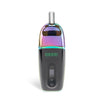
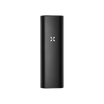
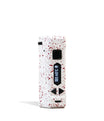
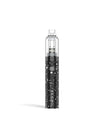



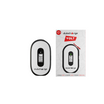
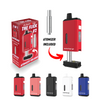
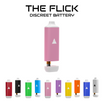
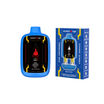

Yes, real THCA rosin disposables are available, and you can choose one by verifying two things first: the COA must clearly say rosin or solventless, and the package must match that COA. If either is vague, mismatched, or missing, assume you are looking at a blend that is being marketed as premium.
Here’s what matters most right now:
- The COA product type line should say rosin or solventless, not vague wording.
- The COA batch or lot number must match the number on the package.
- Live rosin is solventless; live resin is solvent-based; distillate is a refined concentrate.
- The cannabinoid panel should list THCA as the primary cannabinoid, not an afterthought.
- A rosin-style terpene profile usually lists several named terpenes, not a blank panel.
- Residual solvent results should be present; solventless rosin should not show solvents.
- “Rosin-infused” and similar phrases are common red flags for blends.
- Thick oil needs the right airflow and draw behavior, or clogging shows up fast.
In our shop, we curate THCA rosin disposable options from brands like Black Roses and FVKD x Loud, and we push lab-tested, compliant listings because you should be able to verify what you are paying for. Before you order, confirm you meet the 21+ age requirement and check your state rules, since THCA legality and shipping eligibility can vary by location. After checkout, you should expect a tracking update and discreet packaging, but timelines still depend on your carrier and your state.
Start with the one line that settles the whole “real rosin or marketing” question: the COA product type.
If it does not explicitly say rosin or solventless, you do not have a real THCA rosin disposable.
1. The COA must say rosin or solventless
Before you look at flavor notes or THCA numbers, check the COA for the product type line. It needs to clearly say rosin, live rosin, or solventless. If that wording is missing, you are not looking at a proven rosin disposable, no matter what the box says.
We tell customers to look for explicit solventless language because this is where “premium” marketing usually falls apart. A real COA should make it unambiguous that the concentrate is rosin and that it is solventless, not a vague concentrate description that leaves room for blending.
If the COA only lists cannabinoids and terpenes but never states rosin or solventless anywhere, assume it is a blend or a different base oil being positioned as rosin. In our experience, brands that are actually selling true rosin do not hide that detail, because it is the main value you are paying for.
2. Match the COA batch number to the package

The most common bait-and-switch is simple: you get shown a real COA, but it is not for the unit in your hand. To protect yourself from paying “live rosin” pricing for a distillate blend, match the batch or lot number on the COA to the batch or lot number printed on your package label. If there is no batch/lot number on the package, or the numbers do not match exactly, treat the COA as unrelated.
Next, check the test date. Live rosin is all about the terpene profile, and older reports can be used to “paper over” newer production runs. We suggest looking for a reasonably recent test date and being cautious with anything that feels stale or undated.
Finally, scan the QR code on the package and confirm it opens the same report you were shown. Different product name, different batch, or a generic lab landing page is a pass.
3. Use the mini table: rosin vs live resin vs distillate
Rosin, live resin, and distillate can all show up in disposable vapes, but they are not interchangeable. The quickest clarity check is extraction style: rosin is solventless (pressed), while live resin and distillate are typically solvent-based extracts that rely on processing steps to separate and refine compounds.
Here is what you should expect from each category when you are reading a label or COA and trying to explain why two “THCA” vapes hit differently:
- Rosin (solventless): fuller, strain-forward terpene profile, often more “plant-authentic” flavor.
- Live resin (solvent-based): terp-forward and aromatic, but the profile can lean sharper or more “saucy” depending on how it was processed.
- Distillate (highly refined): light natural terp character unless terpenes are added back; flavor is often simpler.
Cloud size differences usually come down to formulation and how the oil behaves in the heating element. Distillate-heavy oils tend to vaporize into bigger, denser clouds, while true live rosin can look lighter because it is a more complex mix that many devices run best at gentler heat.
4. Check the cannabinoid panel for THCA-first labeling
The fastest way to avoid paying rosin prices for a blended formula is to read the cannabinoid panel like a receipt. You want THCA listed first and clearly dominant, not buried behind a “proprietary blend” story.
A little Delta-9 THC on the panel is normal context, not a red flag by itself. THCA converts to Delta-9 THC when you heat it, and many products show small amounts of Delta-9 already present. What matters is that the label and COA are upfront that the main cannabinoid in the oil is THCA.
Be cautious with vague positioning that sounds premium but hides the makeup, especially language like “rosin-inspired,” “rosin blend,” “enhanced,” or “infused.” If the panel reads like a mixed-cannabinoid formula instead of THCA-first labeling, it is not the THCA rosin experience you came for.
5. Look for a terpene profile that reads like rosin
A real THCA rosin disposable usually shows a terpene profile that looks like a strain, not a generic flavor blend. On a COA, you want to see multiple named terpenes with a believable spread, plus a total terpene % that is present, not “0.0” or conveniently missing.
In our experience, live rosin often lists several of these together: myrcene, limonene, beta-caryophyllene, linalool, humulene, pinene, terpinolene, and ocimene. You do not need every one, but you should see a handful, each at small-to-moderate amounts, adding up to a real total.
Do a quick sanity check: the strain notes should match the chemistry. Example: “gas and pepper” lines up with beta-caryophyllene and humulene; “citrus” fits limonene; “floral” fits linalool; “pine” fits pinene; “sweet, haze” can point to terpinolene. If the flavor copy sounds loud but the terpene panel looks thin, assume it is not pure rosin.
6. Confirm third-party safety panels are present
A premium “live rosin” claim is not enough. You want to see a third-party COA that includes standard safety panels, not just potency and terpenes.
Start with residual solvents. Live rosin is solventless, so the residual solvent section should be clear (typically showing non-detect across common solvents). If that section is missing, blank, or only says “passed” without values, we consider that a red flag.
Next, confirm heavy metals and pesticides are actually tested and reported. Metals can concentrate in extracts, and testing expectations commonly cover metals, pesticides, solvent residues, and microbes, as described in peer-reviewed cannabis contaminant research.
Finally, check microbials. You want explicit pass results for things like mold, yeast, and key pathogens. If the report doesn’t show microbial results, you are being asked to trust marketing instead of lab data.
7. Treat vague phrases as a no
Vague label language is usually your strongest signal that you are about to pay rosin pricing for a blend. When the product is truly THCA live rosin, brands tend to say that plainly on the package and in the COA. When they cannot, the wording gets slippery fast.
Start with the “rosin-infused” red flag. Infused means something else was used as the base and rosin was added for flavor or positioning. That base is often distillate, and you are not buying a pure rosin fill.
Next, watch “live terpenes” when there is no clear rosin claim. Live terpenes can be real, but the phrase is also used to dress up a distillate formula with added terps, without ever promising solventless rosin.
Finally, be strict with “proprietary blend” fog. If you cannot find a straightforward statement like “live rosin” or “solventless” in the description and lab report, we recommend you pass and choose a product that documents it cleanly.
8. Check the hardware signals that predict clogging
A real THCA rosin disposable can still be a bad experience if the hardware cannot keep up with thick oil. The fastest tell is the draw: a draw-activated device should feel like a smooth, open straw, not a plugged milkshake. If you have to pull hard to trigger it, you are more likely to flood the chamber or pull unvaporized oil into the airway, which turns into clogs.
Viscosity is the other half of the problem. Cold weather makes rosin noticeably thicker, and that slows wicking and increases clog risk; cannabis oil viscosity studies are clear that colder temps make oils harder for devices to vaporize consistently. Keep it at normal room temperature before you use it.
Hardware clues you can check at a glance:
- Intake holes: multiple, unobstructed holes usually breathe better than tiny, pinched openings
- Chamber window: oil should move slowly when warm, not sit like glue when it is been in a cold car
- Mouthpiece path: avoid designs with narrow, twisty vapor paths that trap condensed oil
9. Set expectations for how long it lasts
Realistically, rosin disposables rarely “last as long” as distillate-style disposables for the same weight, because live rosin is thicker and your draw style changes how much oil you use. Puff size also varies by rosin: a fresh, well-wicked hit can feel dense and flavorful, while a cooler or shorter pull can feel lighter even though you still consumed oil.
Your usage is the biggest driver of longevity. The lab-style puff counts you see online assume a very short draw; cannabis vape longevity research notes a device rated for 300 puffs can land closer to 100 to 150 real draws for many users, since most people pull longer than one second.
Expect performance to taper near the end: flavor drops first, then vapor output. You may also notice more “dry” hits as the chamber runs low, which is your cue that you are close to done, not that it failed early.
10. Pick disposable vs syringe based on your habits
Pick a disposable when you value zero setup more than long-term flexibility. A THCA rosin disposable is simple: it is pre-filled, draw-activated, and you use it until it is empty, then discard it. That convenience is the whole point, especially for travel, occasional sessions, or anyone who does not want to handle concentrate at all.
Choose a syringe when you want maximum refill flexibility for the money. A THCA rosin syringe lets you control how much you load and where it goes, so you are not paying extra for built-in hardware each time. In our shop, the Black Roses THCA Live Rosin Booster Syringe 3.5G at $19.99 is the straightforward pick when you want solventless rosin value without committing to an all-in-one device.
You should avoid disposables if you go through rosin quickly, hate throwing hardware away, or you are the type to chase specific strains and rotate often. Also, do not try to refill disposable devices.
11. Use a short buying checklist at checkout
Before you pay, run a quick checkout checklist. It prevents the two most common issues we see in support: buying without verifying the lab report, and getting stopped by age or state rules after you have already spent time in the cart.
First, make sure the COA link is visible and clickable on the product page before purchase, not buried after checkout or “available on request.” You should be able to match the product name to the report while you are still deciding.
Next, confirm the 21+ age gate truthfully. Expect an age confirmation step and, in some cases, additional verification.
Finally, confirm your state is eligible before payment. Restrictions change, and a compliant shop should block non-eligible shipping addresses at checkout. On our THCA rosin disposable listings, we keep COAs accessible up front and apply age and state checks during the ordering flow.
Ready to Buy Without Getting Burned by a “Rosin” Blend?
If you want real live rosin, you should not have to guess. We curate lab-tested THCA options and keep the focus on what matters: the COA clearly stating rosin or solventless, and the packaging details matching the report.
If you prefer grab-and-go simplicity, choose a THCA rosin disposable so you can skip setup and just use a draw-activated device as intended. If you would rather control your format, our Black Roses THCA Live Rosin Booster Syringe 3.5G is $19.99 and gives you flexible use with your own gear.
Before you check out, confirm you are 21+, review your state eligibility, and remember that THCA converts to Delta-9 THC when heated. If you want help reading a COA or matching a batch number, reach out. We will walk you through it.
Frequently Asked Questions
Is there a disposable THCa rosin vape available?
Yes. You can find all-in-one, draw-activated options that come pre-filled and ready to use, but you should only buy when the COA clearly says rosin or solventless and the package matches the batch details.
Will THCA rosin disposables get me high?
They can. When you vape, heat converts THCA into Delta-9 THC, which is psychoactive, so start with small puffs and give it time before taking more.
Are THCA rosin disposables legal?
Rules vary by state and can change. You should check your local requirements before ordering, and always confirm you are purchasing only where the product is allowed to ship.
What is the difference between a THCA rosin disposable and a cartridge battery system?
A THCA rosin disposable is an all-in-one device with an integrated battery and pre-filled chamber, designed to be used until it is empty. A cartridge battery system is reusable hardware where you swap the cartridge, which can be a better fit if you want less device waste over time.
Which brand of THCa rosin vape is the best?
The best choice is the one you can verify. Pick a product where the COA explicitly says rosin or solventless, the batch number matches your package, and the safety panels are complete, then choose the strain profile and hardware style you prefer.


Leave a comment
This site is protected by hCaptcha and the hCaptcha Privacy Policy and Terms of Service apply.