




















A hash hole on a pipe is a small secondary opening in the bowl feature that works like a carb hole. You use it by covering it while you draw to build denser smoke, then releasing it to clear the chamber smoothly.
Here’s what matters most right now:
- A pipe hash hole is a carb hole, not the main bowl opening.
- Covering the hash hole increases air restriction and makes smoke feel denser.
- A light, even load keeps airflow open and reduces clogging risk.
- You need a full thumb seal, or your carb control will feel inconsistent.
- Release the hash hole at the end to clear the chamber fast.
- Most clogs clear with isopropyl alcohol, salt, and a pipe cleaner.
We focus on practical pipe education because small bowl features like a hash hole change how your hand pipe performs. If you ever need to unclog and maintain yours, our cleaning method is simple: soak with isopropyl alcohol and salt, gently clear the hash hole with a thin brush or pipe cleaner, rinse warm, and dry fully. Availability and rules vary by state, age is 21+ only, and we follow state-by-state restrictions.
Now let’s clear up the most common mix-up: on a pipe, a “hash hole” is a carb hole, and it sits as a secondary opening on the bowl feature.
1. A pipe hash hole is a carb hole
A pipe hash hole is simply a carb hole: a small secondary opening in the bowl feature that lets you control airflow. It is not the main opening where you load material. In use, your thumb becomes the “valve.” Cover the hash hole as you light and inhale to restrict air and build smoke in the main bowl chamber, then release your thumb to open airflow and clear the chamber in a smooth pull.
If you forget to cover it, you usually get a lighter, airier draw instead of a properly cleared hit.
2. What it is not: the hash hole pre-roll thing
A hash hole on a pipe is a bowl feature, basically a carb hole you cover and release to control airflow. A “hash hole” pre-roll is a joint format with a core, and the tips for lighting, rolling, and burn problems do not apply to your hand pipe.
Google mixes the two because people use the same phrase for totally different things, and a lot of pages are written around the more popular pre-roll product. Ignore advice about paper, filters, rolling tension, “donut” structure, or how to rotate a joint to stop canoeing. None of that fixes airflow control on glass.
3. The anatomy you will see on a spoon pipe
 On a spoon pipe, the bowl opening is the big top opening where you load material. The hash hole is different: it is a small secondary air hole (carb hole) you cover with a finger to control airflow.
You will usually find that air hole on the side of the bowl wall, positioned so your thumb can seal it while you hold the pipe. It is separate from the mouthpiece and separate from the main bowl chamber.
With the air hole covered, your pull is restricted, so smoke builds and lingers inside the chamber. When you uncover it, fresh air rushes in, the chamber clears fast, and the draw feels more open.
4. Why covering it makes hits feel denser
 Covering the hash hole (carb hole) is not a ritual. It is airflow control, and it directly affects how dense your draw feels. With the secondary opening sealed, you restrict incoming air, so the main bowl chamber can fill with thicker smoke instead of being constantly diluted.
That restriction also changes burn behavior: the cherry tends to stay more controlled because you are not feeding it a big rush of oxygen, which helps you avoid that fast, hot, wispy pull that reads as a weak hit. When you lift your thumb, fresh air floods in and clears the chamber in one smooth rush, so you feel a stronger finish instead of a slow fade.
5. Step 1: load for airflow, not for volume
 Weak hits usually come from an overpacked main bowl chamber that blocks airflow, not from “using the hole wrong.” Load a light, fluffy layer and level it to an even surface so air can move through the material instead of tunneling around it. Keep the hash hole (carb hole) path open: don’t press ground material into the sidewall where that secondary opening sits. Before you light, glance at the air hole and clear any crumbs sitting on or near it, since one stray bit can choke your pull.
6. Step 2: seal the hash hole with your thumb
This is the make-or-break move for avoiding weak hits: seal the hash hole fully with your thumb so there is no air leak. Even a tiny gap turns it into a constant air bypass, so you pull mostly fresh air instead of building smoke in the main bowl chamber.
Use a relaxed grip and let the pad of your thumb rest flat over the opening, not the tip jammed into the glass. Rotate the bowl in your hand until your wrist feels neutral and your thumb naturally covers the hole.
Keep it covered while you light and start your draw. Hold the seal until you have smoke, then release to clear the chamber cleanly.
7. Step 3: light the edge and sip the pull
For a smoother, more flavorful hit, you want to corner the bowl and sip the pull. Aim your flame at the bowl rim and light just the edge of the material, not the whole top. That gives you controlled combustion instead of a scorched surface layer.
Keep your inhale steady and gentle. Think slow, even airflow through the main bowl chamber while your thumb covers the hash hole for carb control. Once you see smoke building, maintain the same pace rather than “gulping” air.
Avoid torching across the entire bowl opening. Overheating all at once makes the hit harsher and flattens flavor fast.
8. Step 4: release to clear the chamber
This is the moment that fixes weak hits. Keep the hash hole covered while you light and draw until the chamber looks and feels “full,” then release your thumb while you keep inhaling. That release opens airflow fast, pulls fresh air through the bowl feature, and clears the stale smoke that would otherwise linger and taste flat.
Right after you uncover, take one steady “clearing” inhale to empty the chamber completely. Don’t sip it. A short, continuous pull is what moves the remaining smoke.
Re-cover mid-hit only if the smoke gets too thin too early or your draw suddenly feels too open. Covering again rebuilds density, then you release again to finish the clear.
9. Your quick self-check: did you use it right?
You used the carb timing right when you can feel resistance with your thumb covering the hash hole, the chamber visibly “fills,” and releasing the hole at the end clears the last bit of smoke in one smooth pull. Weak hits usually mean you left the air hole open the whole time: the draw feels too airy, smoke stays thin, and there’s nothing to clear when you uncover. Packing issues show up as either a tight, hot draw (too dense) or bits pulling through and uneven burn (too loose or blocking airflow).
10. Weak hits usually mean one of these three things
 Weak hits almost always come down to airflow, not “doing the hash hole wrong.” First, check your thumb seal: if you are covering the carb hole but still pulling lots of fresh air, you are leaking around your thumb and never building density. Second, look at the load. If the main bowl chamber is packed too tight or the material is damp, air cannot move through it, so the draw feels thin and you get poor combustion.
Third, resin can narrow the airway over time, especially around the secondary opening. A quick soak in isopropyl alcohol with salt, then a thin brush or pipe cleaner through the hole, usually restores the pull.
11. Clogs happen where resin likes to settle
That airflow-control hole clogs because it is tiny, and resin does not need much surface area to start narrowing it. A pinhole-sized opening can go from “fine” to noticeably restricted fast.
The stickiest buildup forms right at the hash hole opening and on the inside edge of the bowl wall around it, where warm smoke slows down, cools, and drops residue. You also see a thin ring of resin on the outer lip where your finger covers it, which can grab lint and ash.
As the hole tightens, your pull changes: more resistance, less smoke buildup while covered, and a weaker “clear” when you release.
12. The fastest unclog: iso, salt, pipe cleaner
 A clogged hash hole is usually just resin plugging that secondary opening, not “ruined airflow.” The fastest reset is an isopropyl alcohol soak plus a little salt, then clearing the air hole with a thin pipe cleaner, using gentle pressure only.
Drop the bowl end into a small bag or cup with isopropyl alcohol and a pinch of salt. Swirl to let the salt act as a mild abrasive while the alcohol dissolves buildup. After a few minutes, run a thin pipe cleaner through the hash hole from the outside in, twist, and pull back out.
Do not use sharp metal.
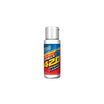
Rinse with warm water and let it dry fully. For a deeper clean, we also stock Formula 420 glass cleaner.
13. When a glass cleaner makes life easier
Clogging the hash hole is usually just sticky resin narrowing a tiny air path, not “ruined airflow.” For frequent use, a periodic deep clean with Formula 420 is the low-effort reset we recommend when warm-water rinses stop helping. Pair it with a small brush set made for tiny openings so you can clear the secondary opening gently instead of poking with sharp metal, which can crack glass. After any cleaner, rinse thoroughly with warm water, then let the piece dry completely so you are not drawing moisture or cleaner residue through the air hole.
14. Hash hole vs other airflow controls on pipes
On a hand pipe, a “hash hole” is basically a carb hole: a small secondary air hole you cover and release to control your draw. Don’t confuse it with the bowl opening, which is the top rim where you load material into the main bowl chamber. In product descriptions, “airflow control” usually means any built-in way to restrict or add air while you inhale, most often a carb hole you operate with your thumb to build smoke, then clear the chamber cleanly.
15. What materials work best with a hash hole bowl feature
To prevent clogs, load flower that is medium-ground, not powdery. You want enough airflow through the main bowl chamber so the air hole stays a control point, not a trap for crumbs. The fastest way to ruin airflow is dusty shake that sifts into the opening and bakes on.
Use your fingers to pull out tiny bits before packing, and keep the load slightly springy instead of tamped tight. If you use a concentrate, keep it minimal and placed on top of the flower or lightly mixed, never pressed into the hole area. Less sticky material near the opening means fewer surprise blockages mid-session.
16. Should your pipe have one? A quick checklist
A hash hole (carb hole) is worth it when you care about control and a clean finish to each pull. It shines when you want smoother clears, because covering the air hole lets you build smoke and releasing it clears the chamber fast without extra strain.
It is also a strong yes if you hate stale smoke. Being able to clear the chamber on demand means less leftover, sitting smoke between hits.
Skip it if you will not clean it. In our experience, the secondary opening is the first place resin narrows airflow, so regular soak-and-scrub maintenance is part of the deal.
17. How to confirm a pipe has a hash hole before you buy
Confirming a pipe has a hash hole is mostly about reading the listing like a support rep would. Start with the photos: you should see a small side hole on the bowl wall, separate from the main bowl chamber opening. Next, scan the description for the exact terms “carb” or “air hole” (those are the usual labels for this secondary opening).
If the photos are angled oddly or the wording is vague, ask support to confirm it’s a carb hole on the bowl feature before you check out, so you don’t unbox a pipe that clears differently than you expected.
Want a smoother pull and fewer clogs?
If your hits feel weak, you usually do not need a new technique. You need better carb control and a cleaner air hole. That is where we can help.
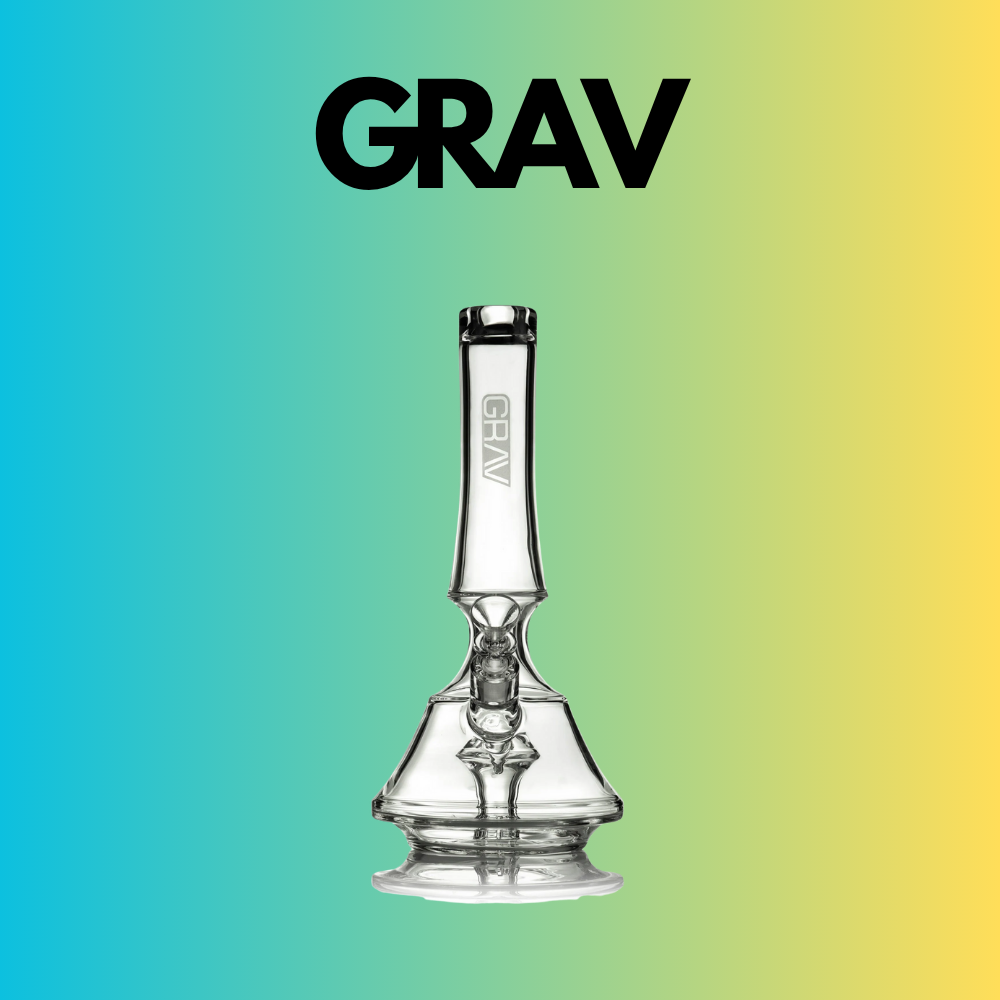
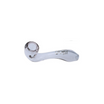
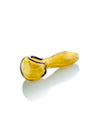
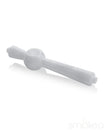
Shop our quality glass hand pipes like the GRAV® Classic Spoon ($20.99) or the Uber Glass 3.5" Spoon ($19.99) if you want a simple, familiar feel. If you prefer a curved grip, the Uber Glass 3.5" Sherlock Pipe ($13.99) is an easy option.
Quick shipping notes: you will see an estimated delivery window at checkout, plus tracking once your order ships. Packaging is discreet. You must be 21+ to purchase, and some items are restricted in certain states, so double-check your address details before you place the order.
Frequently Asked Questions
What is the difference between a pre-roll and a hash hole?
A pre-roll is a ready-to-smoke rolled product. A hash hole in this guide is a bowl feature on a hand pipe, basically a carb hole you cover and release to control airflow.
What is the purpose of a hash hole in a pipe bowl?
It gives you airflow control. Cover it to build smoke in the main bowl chamber, then release it to clear the chamber for a stronger finish to the pull.
How do I keep my hash hole from getting clogged?
Clean it regularly before buildup hardens. We recommend soaking with isopropyl alcohol and salt, then gently clearing the hash hole opening with a thin brush or pipe cleaner, and rinsing well.
Do all hand pipes have hash holes?
No. Some designs skip the secondary opening entirely, so you will want to check photos and product descriptions for notes like carb or air hole, or ask us if anything is unclear.


Leave a comment
This site is protected by hCaptcha and the hCaptcha Privacy Policy and Terms of Service apply.