





















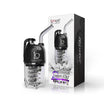
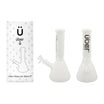
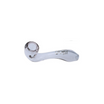
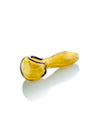






A pipe hash hole is a small secondary opening in the bowl that works like a carb hole. You use it by covering the hash hole opening to build smoke in the main bowl chamber, then releasing it to clear the chamber with a stronger, smoother pull.
Here’s what matters most:
- The hash hole is the side air hole, not the main bowl chamber opening.
- Cover-then-release is the core technique for consistent carb control.
- If airflow feels choked, do a quick cover-and-draw test before cleaning.
- Start dry by tapping out loose ash, then poke from the outside air hole.
- Warm, not boiling, water helps soften fresh resin without shocking glass.
- A thin pipe cleaner fits the air hole path better than oversized tools.
- A 70 to 91 percent isopropyl alcohol and salt micro-soak breaks up buildup.
We see the same two issues in support every week: you clean the wrong spot, or you clean the right spot the wrong way and kill airflow. That is why we publish simple guides on bowl features like the hash hole, including when to use a pipe cleaner, when to step up to Formula 420 glass cleaner, and why you should skip sharp metal tools that can crack glass. Always follow 21+ rules and your local, state-by-state requirements.
Before you grab alcohol or a pipe cleaner, you need to confirm you are actually cleaning the hash hole and not the bowl, because the secondary air hole location is easy to miss on some hand pipe designs.
1. Confirm you are cleaning the hash hole, not the bowl
Weak pulls usually come from scrubbing the wrong opening. The hash hole is the small secondary air hole on the side of the bowl wall, not the big top opening where you load material.
Use a fast thumb test: cover the hash hole and take a dry pull through the mouthpiece. You should feel noticeable airflow restriction. Release your thumb and the draw should open up immediately.
On spoon-style pipes, lookalikes are common: a decorative dimple, a spot where color thickens, or a tiny manufacturing bubble can resemble an air hole but will not change the draw when covered.
2. Do the quick airflow test before you clean
 Before you soak anything, do a 15-second airflow check. Cover the hash hole with your thumb and take a gentle draw, then release your thumb and draw again. You should feel a clear change: covered is tighter (building smoke), released is freer (clearing the chamber).
Listen while you pull: a sharp whistle usually means a tiny air gap leak around your finger or a partially blocked opening; a wet gurgle points to moisture in the air path. Pay attention to where resistance happens: right at the hash hole (thumb position) versus deeper in the main bowl chamber.
3. Tap out loose ash and crumbs first
Before you do anything deeper, flip the bowl upside down and give it a few gentle taps to drop out loose ash and crumbs. This clears the easy blockage so debris does not fall right back into the hash hole and re-plug it while you clean. Tap against your palm or a soft surface, not a hard countertop, and never slam glass.
Empty the bowl completely before you bring in any solvents.
4. Use a toothpick or wooden skewer for a dry poke
A dry poke is the least messy way to clear a clogged hash hole, and it often brings airflow back fast while the resin is still semi-soft. Come in from the outside air hole only, and use a wooden toothpick or skewer as a gentle probe, not a drill. Keep the tip centered and use light pressure so you do not widen the opening.
Stop the second you feel the blockage give and your pull opens up again.
5. Run a pipe cleaner through the air hole path
A thin pipe cleaner is the step that actually scrubs the air hole path instead of just poking a tiny tunnel through the middle. You are not going to “clog it” if you use the right size and motion: it should slide in with light resistance, not jam tight. Feed it in and twist as you go, letting the fibers wipe the walls; ramming straight in is how you compact sticky residue and risk stressing the glass.
Pull it out, swap to a clean section, and repeat until the drag noticeably drops.
6. Warm water rinse to soften fresh resin
Warm water is your quickest fix for early gunk that is starting to choke airflow in the hash hole. Use warm, not boiling water. Extreme heat swings can stress glass, and you are trying to soften resin, not cook it.
Run warm water through the main bowl chamber, then aim the stream so it also flushes the air hole from both directions until it draws freely. Fully dry everything before you use it again, or moisture can keep residue sticky and restrict airflow.
7. Isopropyl alcohol and salt micro-soak for the bowl area
 This is our baseline for clearing resin without clogging your hash hole opening: a quick isopropyl alcohol and salt micro-soak. Use 70% iso if that is what you have, or 91% if you want faster dissolving with less water left behind. The key is salt, not as something that “plugs” the air hole, but as hard crystals that scrub resin off the bowl walls while the alcohol loosens it.
Keep it short. Add a pinch of salt and a small splash of iso to the bowl area, cover openings with your fingers, then shake for 20-60 seconds. That timing lines up with the USPTO patent on salt abrasives describing rapid cleaning without brushing.
Rinse thoroughly with warm water until you do not smell alcohol, then let it dry fully so airflow stays crisp.
8. Bag-and-shake method to hit the air hole channel
If quick rinses keep missing the carb hole channel, the bag-and-shake method gets alcohol and salt into that tiny secondary opening without “packing” it tighter. Use a zip bag or small container that seals fully, add isopropyl alcohol and coarse salt, then drop the piece in and close it tight so you can move it without leaks.
Rotate the sealed bag slowly so the liquid floods the hash hole opening from different angles and sits there for a moment. That soak-and-flood contact is what breaks up residue inside the air path.
Then shake gently, especially with glass: short, controlled swirls are enough. Hard shaking is how you chip glass, and it does not improve airflow.
9. Use a thin brush for the stubborn ring inside the hole
That “hole looks open but hits are weak” problem is usually a thin resin film coating the inner wall of the hash hole opening, not a chunky clog. You fix it by scrubbing the inside, not just soaking.
Use the smallest tool that still has bristles: a thin pipe-cleaner style brush or a narrow straw brush that fits without forcing it. Skip anything sharp that can chip glass.
Wet-clean it. Dip the brush in isopropyl alcohol (or use Formula 420), then gently twist and scrub the full depth of the secondary opening.
Finish with a warm-water rinse, then hold it up to light. You should see clean glass all the way around, with no brown “ring” left.
10. Formula 420 deep clean when iso stops cutting it
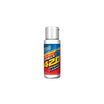
When resin is baked into the hash hole opening and your airflow is starting to choke, a dedicated cleaner like Formula 420 is the step up we reach for. It is made for sticky, resin-heavy buildup that plain iso can leave behind, so you are less likely to “plug the hole” while scrubbing and accidentally pack gunk deeper.
Follow the soak timing on the label, then check the carb hole with a thin pipe cleaner using gentle pressure. Finish with a thorough warm-water rinse until there is no cleaner smell, and let it dry completely before you use it.
11. Clear the stem-side airflow path on spoon pipes
Weak hits can feel like you’re using the hash hole wrong, but on spoon pipes the real problem is often the main airway from mouthpiece to bowl getting narrowed by resin. Do a mouthpiece-to-bowl check: cover the hash hole opening, pull air through the mouthpiece, then release and compare. If the draw barely changes, the restriction is in the stem, not the carb.
Run a pipe cleaner all the way through from the mouthpiece until you see it reach the bowl side, then pull it back out. If it stops short, you’ve found the pinch point. On many spoons it’s the tight bend near the bowl or a slightly narrowed section at the mouthpiece; work that spot gently until the cleaner passes cleanly.
12. Fix weak hits by using the cover-then-release timing
 Weak hits are usually a timing problem: you are either uncovering the hash hole too early, or never clearing the chamber. Start by fully covering the carb hole with your thumb while you light and begin your inhale, so smoke can build in the main bowl chamber. Keep your draw steady and slow.
Rushing pulls extra air around the rim and thins the smoke.
Once the chamber looks milky and you have a good ember, release your thumb from the secondary opening and keep inhaling. That quick change in airflow is what clears the chamber and gives you a denser, smoother pull, assuming the airflow path is clean.
13. Stop re-clogging: pack technique that protects the hole
The fastest way to re-clog your hash hole is packing dusty, over-ground material. Fine crumbs pull through the secondary opening and stick there as soon as heat hits. Keep your grind slightly chunkier, and load below the bowl rim so you are not mashing material into the air hole when you tamp.
When you light, corner-light the edge instead of torching the whole top. That starts a steadier burn, makes less loose ash, and keeps airflow clear.
14. Do a post-session swipe while resin is still soft
The easiest way to avoid clogging your hash hole and killing airflow is a 20-second swipe right after your session, while the resin is still soft. Run a dry pipe cleaner through the hash hole opening and give the air path one quick pass, using gentle pressure so you clear residue without packing it deeper. Then wipe the carb opening edge with a cotton swab so your thumb seals cleanly next time.
Let the piece air-dry fully before storage so any moisture does not trap stickiness.
15. Know when you have to soak, not scrape
A clogged hash hole is usually resin, not “blocked airflow forever.” When buildup is hardened, scraping tends to make things worse. You will feel stubborn resistance with a pipe cleaner, see a dark, shiny plug that will not smear, or notice the hole looks slightly narrowed even after a quick rinse.
Scraping risks chipping the edge of the air hole or scratching glass, which creates rough spots that grab more resin next time. We also see people crack bowls by twisting metal tools.
Plan on a soak-repeat cycle: soak in isopropyl alcohol and salt, rinse warm, test airflow, then repeat until it clears. Expect two or more rounds when it is baked on.
16. Avoid the common cleaning mistakes that kill airflow
 Most airflow issues after cleaning come from three avoidable mistakes: residue, compaction, or heat damage. If you soak with isopropyl alcohol, rinse longer than you think you need to, because leftover alcohol and loosened resin can dry into a thin film that narrows the air hole. When you scrub, don’t “ram” a pipe cleaner through the hash hole opening; that often packs softened debris deeper into the passage instead of pulling it out.
Skip boiling water on glass, too. Sudden temperature swings can crack it through the thermal shock phenomenon, and a hairline crack can change airflow permanently.
17. Restock the right basics so clogs stop being a project
 Clogs get easier to prevent when you keep a small cleaning kit on hand, so your hash hole stays clear without a whole “cleaning day.” We suggest you restock three basics: isopropyl alcohol (iso), coarse salt, and a pack of thin pipe cleaners that can actually reach the secondary opening without forcing it.
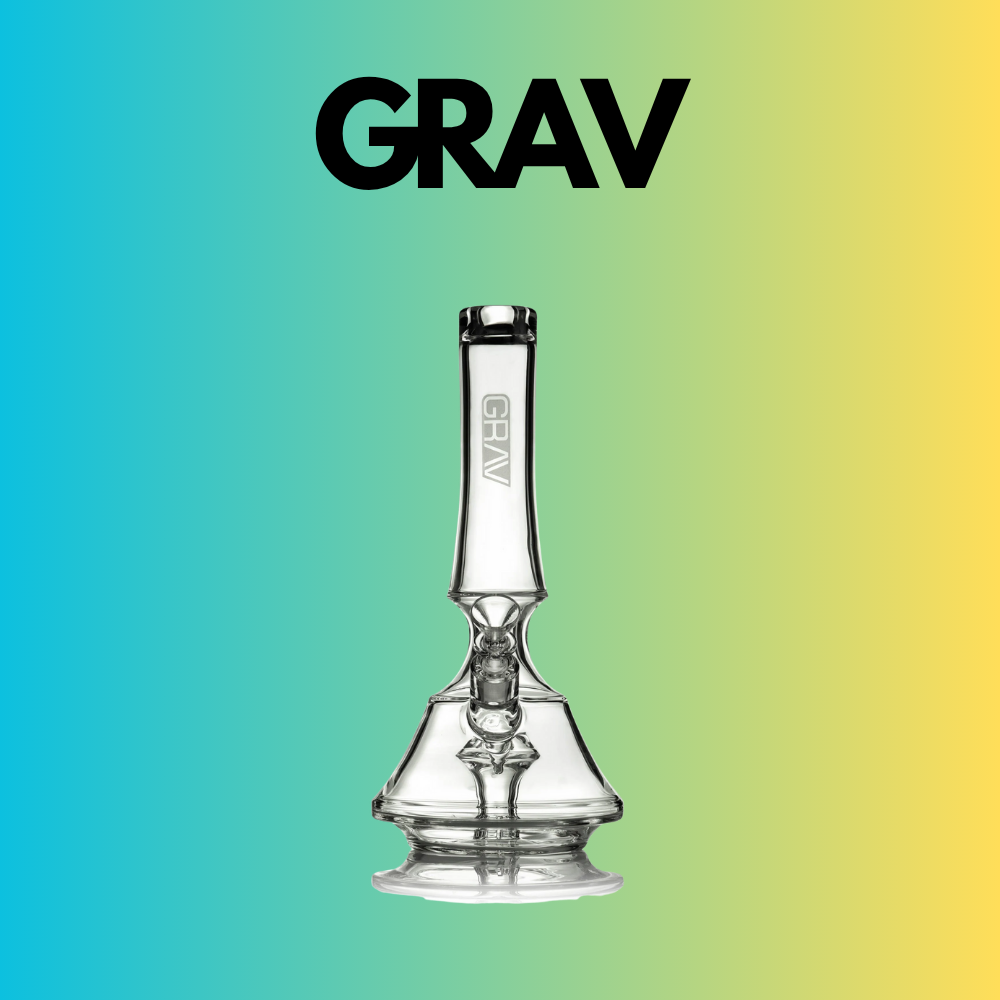
If you want a quicker option, we stock Formula 420 glass cleaner, and pairing it with a small brush bundle gives you the right reach for the air hole. When you shop for a new glass spoon like the GRAV® Classic Spoon, check the listing photos and description to confirm the airflow holes are clearly shown and placed where your thumb can seal them cleanly.
Keep your airflow sharp, session after session
If your hits feel weak, you usually do not need a new pipe. You just need a clear hash hole and the right cover then release timing. We can help you dial that in fast with quality glass options and the basics that keep clogs from coming back.
If you are upgrading, check our GRAV® Classic Spoon ($20.99) or the Uber Glass 3.5" Spoon ($19.99) for an easy, familiar feel. For cleaning support, we also stock Formula 420 and the thin brushes and pipe cleaners that actually fit the air hole path.
Before you check out, remember the basics. We ship with tracking, use discreet packaging, require age verification (21+), and follow state-by-state restrictions. Add your pipe and cleaning essentials, then keep your airflow where it should be.
Frequently Asked Questions
What is the purpose of a hash hole in a pipe bowl?
It is a secondary opening that works like a carb hole. You cover it to build smoke in the main bowl chamber, then release it to clear the chamber and refresh airflow.
How do I keep my hash hole from getting clogged?
Do a quick post-session swipe with a pipe cleaner while residue is still soft, and do a deeper clean with isopropyl alcohol and salt as needed. If buildup is stubborn, a dedicated glass cleaner like Formula 420 plus a thin brush helps clear the air hole without widening it.
Do all hand pipes have hash holes?
No. Some designs include a hash hole for airflow control and some do not, so you will want to check the product description before you buy.


Leave a comment
This site is protected by hCaptcha and the hCaptcha Privacy Policy and Terms of Service apply.