
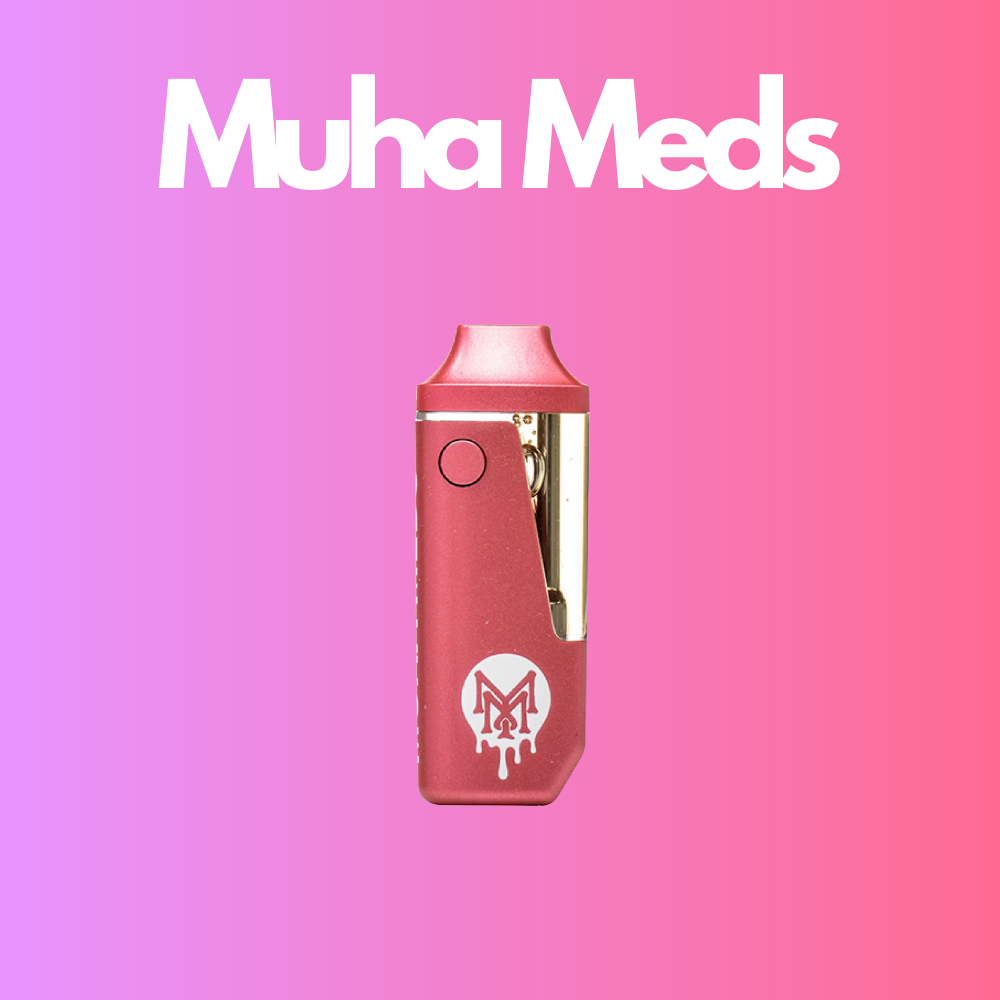


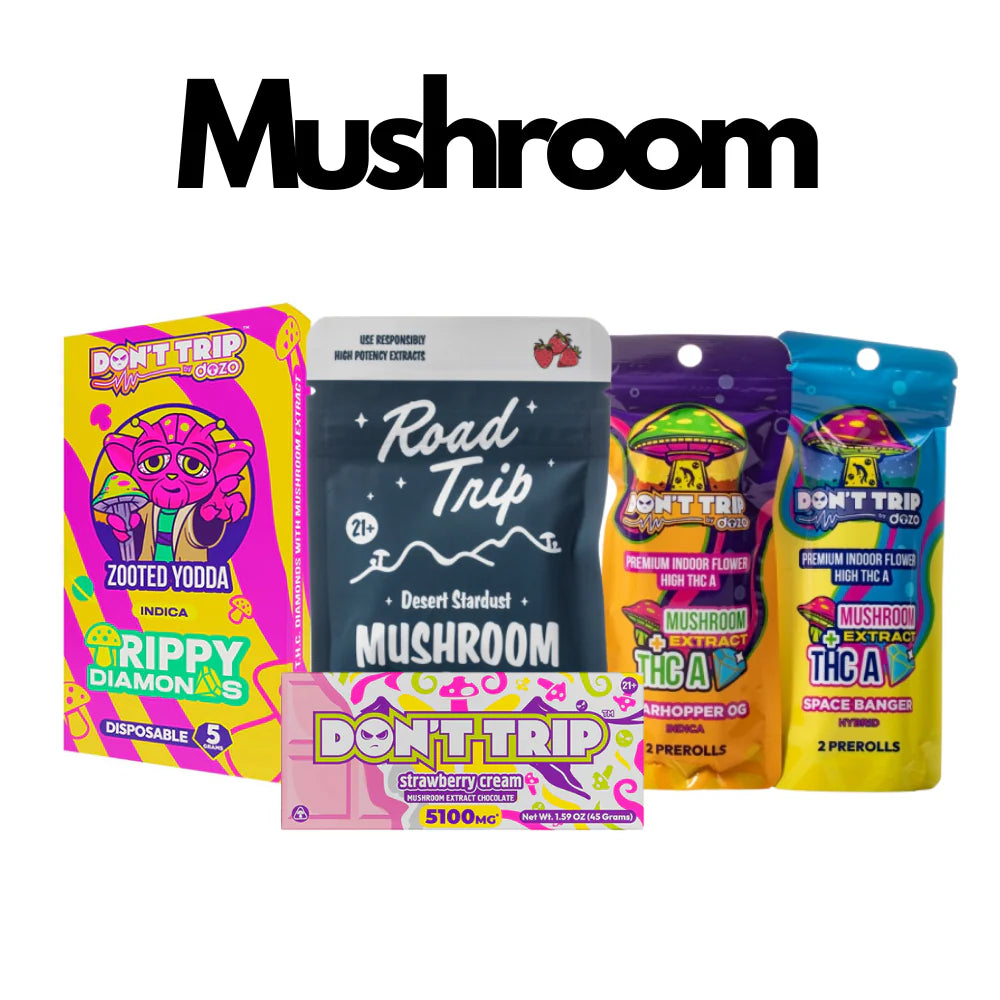

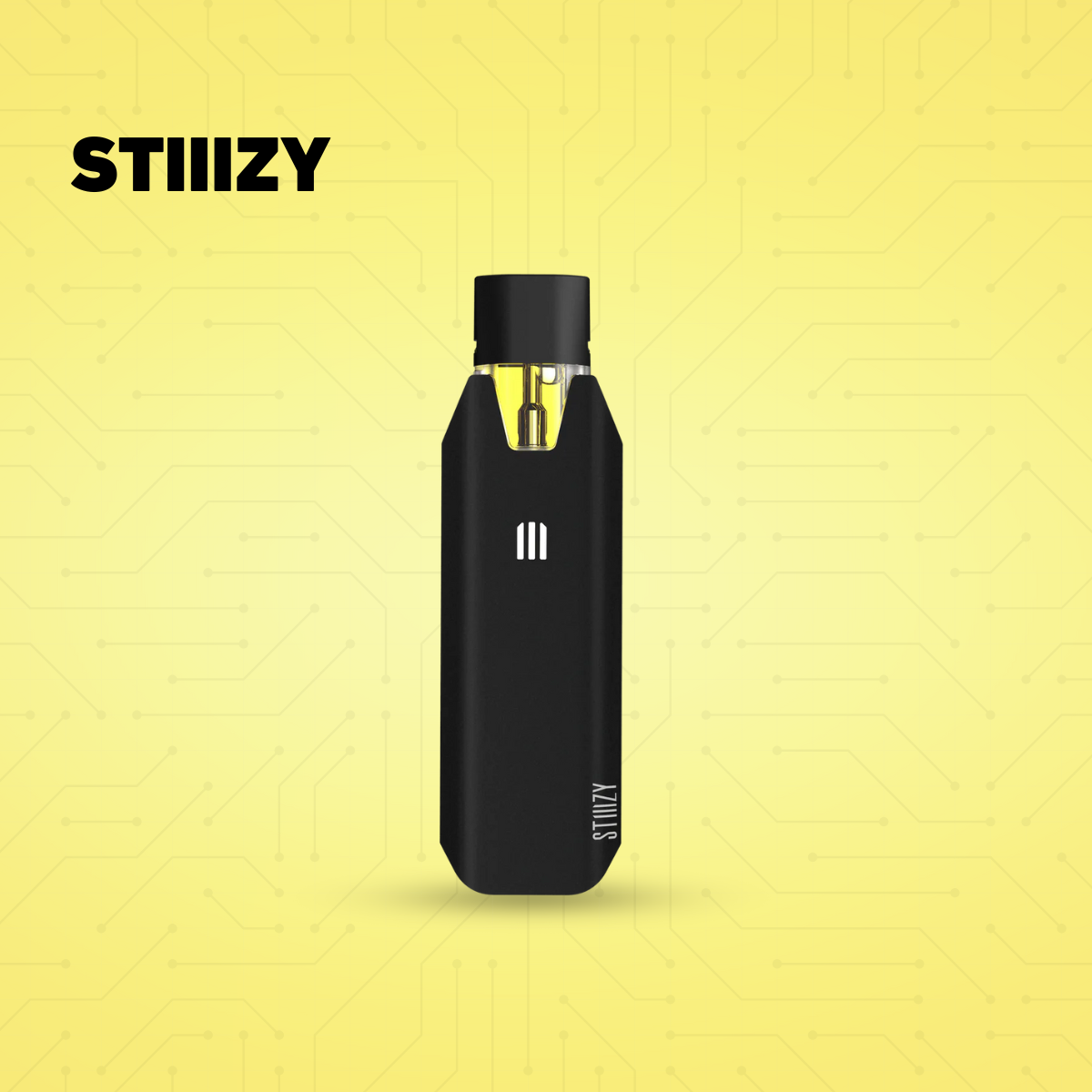
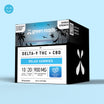


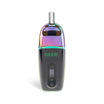
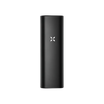

If you are truly deciding between a THCA disposable and a preroll for your first try, start with a THCA disposable. It is usually more predictable, more discreet, and easier to microdose with 1 to 2 short pulls, then wait.
Here is what matters most right now:
- If you need low-smell discretion at home, a THCA disposable is the safer starting bet.
- Treat your first session like a microdose: 1 to 2 short pulls, then wait.
- Only trust a COA when the product name and batch or lot ID match exactly.
- A COA should clearly say rosin or solventless, not vague concentrate wording.
- Lower THCA percentage on rosin COAs can be normal because terpenes take up space.
- Thick rosin clogs more when you chain-puff or store the device sideways.
At General Shop, we take a COA-first approach because “lab-tested” only helps when the label and the COA match the exact batch you are holding.
Before you decide, compare the two formats side by side on setup, smell, discretion, session control, and why a device can feel like it “wears off” faster in real use.
See the real differences in one table before you decide

The “vapes wear off fast” worry is real, but it is usually a dosing pattern problem, not a moral failing of the format. A draw-activated THCA disposable can feel short because it is easy to take one pull too many, too close together, and then chase the peak.
For a first purchase, predictability beats raw potency. The more reliably you can repeat the same small dose and get the same result, the less likely you are to overdo it, build a bigger routine than you intended, or convince yourself you need “stronger” to feel anything.
Beginner comparison table
The meaningful differences are not “which hits harder,” they are how much control you get, how much smell you create, and how many ways the product can misbehave in your hands. Use this table to compare the lived experience, not the marketing.
- Setup and learning curve: THCA disposable = open package, inhale, done; pre-roll = you need a light, consistent ignition, and basic technique to avoid uneven burns.
- Smell and discretion reality: disposables create odor, but it tends to clear faster; smoking a pre-roll is louder, longer-lasting, and clings to clothes, hair, and rooms. Controlled vaporizer testing puts indoor vapor clearance at 15 to 30 minutes, while smoke can linger 3 to 4 hours.
- Session control and onset: disposables make “one short pull, then wait” realistic, so onset is quick and adjustable; pre-rolls can ramp fast because the ember keeps going, and it is easy to overshoot just by holding it in your hand.
Mistakes beginners keep making
Most bad first sessions come from avoidable mechanics, not “bad tolerance.” Smoking problems tend to create harsher, less predictable sessions; vaping problems tend to create inconsistent airflow and overconsumption from rapid re-dosing.
With pre-rolls, the classic failure is an uneven burn: you light it, one side runs ahead, and you keep puffing harder to compensate. That is how you end up with canoeing, hot smoke, and a rough throat even when the material itself is decent.
Infused rolls add another beginner trap: the extra concentrate can restrict airflow. If it does not pull easily from the first few gentle draws, people often keep relighting and dragging harder, which overheats the tip and still does not fix the core airflow problem.
With THCA disposables, the biggest self-inflicted issue is chain-puffing thick solventless rosin. Rapid consecutive hits can overheat the coil, pull too much oil at once, and leave you with a clog plus a session that feels “too much, too fast.”
- Canoeing and harsh burns: rotate slowly between puffs and keep draws gentle instead of trying to “fix” it with harder pulls.
- Infused rolls that do not pull: treat poor airflow as a stop signal, not a challenge to relight repeatedly.
- Vapes chain-puffed into clogs: space hits out and avoid aggressive inhales that stress wicking.
Step 1: Pick your format based on smell tolerance and living rules

Use one question to decide: do you need the session to leave minimal evidence in your space (smell, ash, setup), or do you want a true smoking ritual even if it is louder and stickier?
Either option is wrong if you cannot use it without risking housing or household rules. It is also the wrong moment to buy if you plan to hide the smell rather than control it, because that is where surprise and anxiety usually start.
Choose disposable for low-odor needs
Pick a THCA disposable when your priority is keeping odor and visible residue as low as possible. Vapor is still noticeable, but it tends to dissipate faster than smoke and does not leave ash.
It also fits quick, controlled sessions. A draw-activated device lets you take 1 to 2 short pulls, stop, and reassess without committing to finishing anything that keeps burning.
The practical advantage in shared living is operational: there is no lighter, no cherry, and no ash trail. That matters in apartments, dorms, or any home where “I only took one hit” needs to be literally true.
- Lower lingering smell profile than combustion, with less cling to fabrics and surfaces
- Easier to keep sessions short and predictable because you can stop instantly
- No lighter, no ash, and no smoke-related cleanup to explain later
Choose pre-roll for smoking ritual
Choose a pre-roll when you actually want the full smoke experience: lighting up, feeling the burn, and taking repeated puffs across a longer session. For some readers, that ritual is the point, not a side effect.
This option assumes you are comfortable with stronger odor that travels and lingers. Smoke is more likely to attach to hair, clothes, and the room itself, so it is a poor fit for “no-smell” living situations.
It also requires accepting combustion variability. The same roll can burn faster than expected, burn unevenly, or feel harsher depending on how it was packed and how you draw, and you cannot pause the burn the way you can pause a vape.
- Best fit when you want a traditional smoking session, not quick micro-sessions
- Only choose it if you can tolerate a more obvious, longer-lasting smell in your space
- Expect variability from combustion, including uneven burns and inconsistent intensity
Step 2: Verify what you bought by matching COA to the package

Do not panic when a solventless rosin product “reads low” on potency. Rosin often shows a lower THCA percentage because more of the formula is terpenes and other native compounds, not because it is weak.
Also remember the label is not the experience: THCA converts to THC with heat during real use, so the relevant question is not just the lab number, it is whether the COA truly belongs to the exact unit in your hand.
Batch number match or skip
Batch matching is the fastest authenticity filter you have. If the lot or batch ID on the COA does not exactly match what is being sold and what is printed on your package, treat it as unverified and skip.
Use a three-point check before you keep the product or open it:
- Lot number exact match: the COA sample ID or batch/lot number must be identical to the package, not “close,” not the strain name, and not a date range
- Listing and package alignment: product name and type should line up across the listing, the label, and the COA (for a disposable, that means it should be identified as rosin or solventless, not vague concentrate language)
- No match no purchase: if a seller cannot provide a current, batch-specific COA that matches the unit, the most responsible move is to buy something else
Rosi n claim red flags
Rosin wording is often where marketing gets slippery. The goal is to confirm you are buying solventless rosin in a disposable, not a blend using rosin as a supporting ingredient.
Treat these COA and label tells as reasons to pause:
- “Rosin-infused” wording: this commonly signals a mix, not a pure rosin fill, and it should trigger a closer look at the COA product description line
- Missing solvents panel: a rosin product is made without chemical solvents, so a COA that omits residual solvents entirely is incomplete for verification
- Terpene panel blank lines: a terpene profile that is empty or filled with placeholders makes it harder to validate what is in the chamber and whether the results are specific to the batch
In our experience, the most reliable disposables are the ones that make the paperwork boring: specific product type language, complete panels, and a clean batch match. That is the standard we use when we stock items like Whole Melts Dual Chamber THCa Disposable 2G.
Spot shake-heavy pre-roll signals
The biggest pre-roll risk for beginners is not “too strong,” it is low-quality input that smokes poorly and feels harsh. Shake-heavy rolls can look fine on the outside and still burn unevenly, taste flat, and vary from one unit to the next.
Use these practical signals before you decide a pre-roll is worth it:
- Too-cheap roll suspicion: unusually low pricing for the category often correlates with trim-heavy or inconsistent fill, especially when there is no batch-specific documentation to back the product
- Burn issues as quality clues: frequent canoeing, constant re-lighting, or a tight draw can indicate uneven grind, poor packing density, or excessive fine material
- Harshness and inconsistency: a scratchy throat hit, hot smoke early in the session, or big differences between two rolls from the same purchase are common signs the input was not consistent flower
Step 3 and 4: Microdose your first session and recover if you overdo it

Treat your first session like a hardware test, not a “real” session. With a THCA disposable, store it upright (or slightly angled) between uses so thick rosin stays where the wick can feed it, which reduces clogs and burnt-tasting pulls.
Vaping can feel like it “wears off fast” because the onset is quick and the peak is sharper, so the comedown is more noticeable than a slower, longer smoking curve. That does not automatically mean tolerance is increasing; it often means your dosing was too close together.
Disposable first-session routine
A beginner-friendly first try is 1 to 2 short pulls, then stop. The goal is to find your minimum effective dose, not to chase a peak.
Wait 10 to 15 minutes before you decide you “need more.” With draw-activated devices, the second or third pull taken too soon is the usual reason vaping feels short and then suddenly too intense.
Use a gentle, steady inhale instead of a hard pull. In our experience, aggressive suction is a fast way to clog a solventless rosin disposable because the oil is thick and the airflow path is narrow.
- Pull length: 1 to 3 seconds per pull
- Spacing: one pull, pause, then reassess only after the wait window
- Handling: keep it upright between pulls, especially if it just came from a pocket
This routine also keeps your device performing consistently, so you are judging the product and not a preventable clog.
Pre-roll first-session routine
With a pre-roll, start with a few small puffs, not a full session. Combustion ramps quickly, and beginners often overshoot because the feedback loop is slower than they expect.
Put it out and wait 10 to 15 minutes before relighting. That pause is the difference between “I feel it” and “I cannot undo this.”
Expect a stronger smell than vapor. Smoke lingers on clothes and in rooms, so plan your setting before you light up.
If you feel too high
Stop dosing immediately and drink water. Trying to “balance it out” with more pulls or more puffs is the most common mistake.
Change your setting and slow your breathing. Sit somewhere cooler, lower the noise, and take steady breaths in and out until your heart rate settles.
Give it time, then use food as a reset. A small, familiar snack can help you feel grounded while the peak passes.
- Do: hydrate, sit down, and focus on slow breathing
- Do: eat something simple when you can tolerate it
- Do not: keep dosing, mix in alcohol, or try to “power through” in a stressful environment
Make your first session predictable, not “strong”
If you want the lowest-friction first try, start with a THCA disposable and treat it like a microdose tool. At General Shop, we keep it simple: pick one all-in-one option, then verify it before you use it by matching the COA batch number to the listing and to the number on your packaging.
If you want variety without extra setup, choose the Whole Melts Dual Chamber THCa Disposable 2G for $29.99. If you want a straightforward single-use device, choose the Big Chief THCa Melted Diamonds Disposable 2G for $29.99. In both cases, skip anything with vague “rosin” language or missing batch IDs.
If you still prefer a pre-roll for the smoking ritual, use the same COA and quality checklist, and add a smell-proof stash bag for discreet storage and delivery-friendly handling.
Frequently Asked Questions
What happens to THCA when I vape it?
When you vape a THCA disposable, heat converts THCA into THC during use. That is why dosing with 1 to 2 short pulls, then waiting, is the safest beginner approach.
Why does my THCA rosin disposable keep clogging?
Clogging is usually caused by thick rosin plus user habits like chain-puffing or storing the device sideways. Use slow, gentle pulls, take pauses between draws, and store it upright to keep the airflow path clear.
Is a THCA disposable or preroll better for beginners?
If you need discretion and predictable session control, a draw-activated THCA disposable is usually the better first pick. Choose a pre-roll only if you specifically want the smoking ritual and you are willing to verify quality, since shake-heavy rolls and unverified infused claims are common beginner traps.


Leave a comment
This site is protected by hCaptcha and the hCaptcha Privacy Policy and Terms of Service apply.