





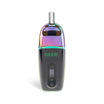
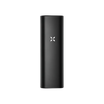

THCA flower is raw, unheated cannabis flower where THCA is the main cannabinoid, and it only becomes intoxicating after heat triggers decarboxylation.
Here’s what matters most right now:
- If a COA is not batch-matched to the package, skip the flower.
- Treat 39% THCA style claims as a prompt to verify, not a reason to buy.
- If cannabinoid totals look wrong, the listing can be sloppy or misleading.
- A dead COA link or unscannable QR code is a hard stop.
- Drug test risk is real because heated THCA converts into THC.
- “Strain name” comes second after documentation, not the other way around.
At General Smoke Shop, we take a COA-first approach and curate options with posted lab reports, including DubZotics Grunts THCA Flower ($4.99+), DubZotics Juicy Fruit THCA Flower ($9.99+), and DubZotics Face Off OG THCA Flower (Indica) ($9.99+), so you can compare believable cannabinoid panels before checkout.
Start by getting THCA flower clear in your head in 5 to 7 lines, because once you understand what changes after heat, you can judge listings fast and stop paying for hype instead of verified flower.
THCA flower in 5 to 7 lines so you can judge listings

THCA flower is raw, unheated cannabis flower where THCA is the dominant cannabinoid, so it is non-psychoactive in that form. Once you apply heat by smoking or vaping, decarboxylation converts THCA into THC and the intoxicating effects show up.
Most online listings are framed as hemp-derived THCA, meaning the seller is positioning it under the federal hemp framework, but your real risk is not the marketing claim, it is what you can document for the exact batch you receive.
That is why the COA matters most: it is the only way to verify the cannabinoid panel and tie the results to a specific lot or batch number instead of a generic strain page.
Strain names mislead because they are not a standard for potency, freshness, or testing integrity, and the same name can be used on different batches that perform very differently.
The real cons of THCA flower online that cost you money

The two most expensive mistakes online are paying for potency that does not hold up and buying flower that arrives old, dry, and flavorless. Both problems are predictable if you shop by proof (the COA and batch details) instead of the strain name.
Inflated potency claims
The fastest way to overpay for THCA flower is to trust the headline number, especially listings that lean on a repeated “39% THCA” claim. That figure shows up so often across unrelated products that it functions more like marketing shorthand than a believable batch result.
You can often catch exaggeration by checking the math on the cannabinoid panel. A real report should not create impossible totals, but sloppy COAs and copy-pasted listings sometimes show THCA + THC + other cannabinoids that add up to more than 100% of the flower.
Conversion matters, too. THCA does not turn into THC at a 1:1 rate after heating, so a huge THCA percentage does not translate cleanly into the same THC number in real use.
When you sanity-check across brands, the outlier is usually the risk. If one brand’s COAs cluster in a believable range and another brand repeatedly posts the same top-end number, treat the outlier like a pricing trap, not a premium.
- Be suspicious of repeated “39% THCA” across multiple strains or restocks with no batch variability.
- Scan the cannabinoid panel for totals that do not make sense (for example, values that would exceed 100% when added together).
- Read the COA with decarboxylation in mind: the usable THC after heating will be lower than the THCA number on the page.
- Compare multiple COAs side-by-side across brands before you compare strain descriptions.
Dry, hay-smelling buds
“Hay” aroma and brittle texture are usually age and handling problems, not a strain trait. Online, you do not get to inspect the jar, so old harvests, long warehouse time, or heat exposure during shipping can quietly turn a decent batch into expensive rough smoke.
Batch age is the first thing to verify. If a listing will not show a batch ID or a current COA tied to what is being sold, you have no way to know whether you are buying fresh inventory or last season’s leftovers.
Lab reports can also hint at a weak cure: a COA that posts only cannabinoids and ignores terpenes removes one of the best objective checks on aroma and flavor. Sellers that never publish terpene results are asking you to buy scent and taste based on adjectives alone.
- Look for harvest or test dates and avoid listings where the COA is clearly old relative to the product being promoted.
- Treat missing batch or lot numbers as a freshness red flag, because you cannot tie your purchase to a specific run.
- Prefer listings that include terpene data, not just THCA percentage, since terpenes correlate with smell and perceived quality.
- Assume heat can happen in transit: a product that ships or sits hot is more likely to arrive dry and muted.
A flower page that shows batch-specific dates and terpene coverage is not “extra transparency,” it is the only practical way to predict whether your buds will arrive loud or lifeless.
Buy THCA flower without getting scammed by shopping COA first

A 3-step buying workflow
The safest way to buy THCA flower online is to decide based on the lab report first, then let the strain name be the tie-breaker. This keeps you from paying for hype when you cannot smell, squeeze, or inspect the buds.
Use this workflow every time, even when a product page looks polished. In our experience, the listings that disappoint are often the ones that lead with the loudest strain marketing and bury the COA details.
- Pick an established brand first: Start your search inside a brand you can find consistently, with repeatable batch documentation, rather than hopping between unknown labels for a tempting potency claim.
- Open the COA before reading the strain: Confirm there is a real batch report available for the exact item you are considering, then decide whether the numbers and dates look current enough to trust.
- Compare 2 to 3 COAs side by side: Check whether the cannabinoid profiles are in a believable range across batches and brands. When one COA looks like an outlier on potency or seems oddly sparse, treat it as a pass.
What a legit listing includes
A legitimate THCA flower listing makes verification easy without asking you to “trust us.” You should be able to confirm the batch, the timing of the test, and whether you can legally receive it before you check out.
On General Shop, you can apply this quickly by opening the COA on options like DubZotics Grunts THCA Flower before you spend time comparing strain descriptions.
- A direct COA link or a scannable QR that resolves to the full lab report (not a cropped screenshot)
- A batch ID or lot number on the COA that matches what is sold for that specific product
- Recent test and package dates that indicate the report applies to current inventory, not last season’s batch
- Clear shipping and state rules, including eligibility gates like age verification and restricted-state exclusions
COA reading walkthrough that catches the common red flags

Dry, grassy flower with weak effects is often predictable from the COA before you buy. You are not looking for one magic percentage. You are checking whether the report is current, tied to the exact batch in your hand, and complete enough to explain potency, compliance, and cure-related disappointment.
Dates, batch IDs, and lab access
The fastest way to avoid stale, generic, or swapped product is to verify the COA is tied to a specific batch and still accessible from the lab. If the paperwork cannot be traced cleanly, the rest of the numbers stop mattering.
Missing batch or test dates are a practical red flag because you cannot judge freshness or whether the COA is being recycled across multiple drops. Old material is more likely to arrive dry and flat, and it is harder to separate a poor cure from a poor storage timeline when the dates are absent.
Lab access matters because screenshots are easy to reuse. A QR code that does not scan, or a link that goes nowhere, removes your ability to confirm the PDF came from the lab that supposedly ran the sample.
- Batch or lot ID present on the COA, and the same ID appears on the package you receive (not just a strain name match).
- Collection date and report date listed; “undated” or “N/A” entries are avoid signals.
- Lab name shown clearly and the COA indicates ISO 17025 accreditation, not only a logo.
- Label mismatch cues: different product name, different brand, “sample name” that is broader than the item being sold, or a batch field that is blank while the retailer claims batch-specific testing.
- QR or verification path works and leads to the lab-hosted report, not a compressed image.
Cannabinoid numbers that add up
Overhyped potency claims are a common reason buyers end up with flower that looks fine but feels weak after heating. You are checking for internal consistency: believable THCA, totals that make mathematical sense, and a clear delta-9 THC line item for compliance.
Be skeptical of “too perfect” or extreme THCA percentages, especially when the COA is light on other details. Inflated labels are not hypothetical; a 2023 PLOS ONE study found the average observed THC potency was 23.1% lower than the lowest label reported values and 35.6% lower than the highest label reported values.
- Unrealistic THCA flag: a headline number that is unusually high while minor cannabinoids are nearly zero and the report provides little context on moisture or sample basis.
- Total cannabinoids sanity check: listed cannabinoids should not stack into a total that seems incompatible with normal flower composition; look for totals that appear copy-pasted or rounded in a suspiciously uniform way.
- Delta-9 THC line items: delta-9 should be listed separately (not hidden inside “total THC”) so you can see what the lab actually measured.
- Units and basis: confirm results are shown as % by weight (or mg/g) and note whether the lab reports on an “as received” basis versus “dry weight,” since that changes how potent the same sample appears.
Contaminants and terpene context
Cure quality complaints often show up alongside incomplete safety panels and missing terpene data. A COA that only provides cannabinoids does not tell you whether the flower is clean, or why it might smell like hay and burn harsh.
For flower, the core contaminant panels to look for are pesticides, heavy metals, and microbials. A retailer who posts a full panel is giving you information that correlates with handling standards and storage discipline, not just potency marketing.
- Pesticides: look for a dedicated panel with a clear pass status and individual analytes listed, not a vague “meets requirements” statement.
- Heavy metals: confirm the panel includes common metals and shows results with reporting limits, not only a blanket pass.
- Microbials: check for yeast and mold and relevant pathogen screening; missing microbial testing is a bigger concern for buyers who already hate harsh, throat-scratch smoke.
- Pass vs ND: “ND” means not detected at the lab’s limit of detection, while “Pass” can mean the lab detected something but it is below the action limit. Both can be acceptable, but ND and pass are not interchangeable.
- Terpene panel presence: a real terpene panel signals the brand expects aroma and flavor to be evaluated, and it gives you a paper trail when a batch shows up muted.
- Why no terps can match dryness: if the COA has no terpene data, you have no lab-based explanation for a grassy nose, and that often aligns with over-dried flower, poor storage, or an older batch being moved.
Safety questions you must answer before you order
Drug test risk is real
Most drug tests look for THC metabolites, not THCA, and that is the risk you have to plan around. Once you heat THCA flower, decarboxylation converts THCA into THC, and the metabolites are indistinguishable from traditional cannabis on a standard panel used by cannabis testing laboratories.
“Broad-spectrum” language does not make flower drug-test-safe, and it is not a workaround for THC-COOH screening.
- Avoidance: do not use heated THCA flower if you are in a tested job, probation program, or custody case
- Disclosure: if you choose to use anyway, assume you may need to explain a positive result and keep your batch COA and receipt
Why some say do not smoke
Smoking delivers fast effects, but combustion creates irritating byproducts and can aggravate cough, throat burn, and airway sensitivity. The safety downside grows if you buy without a batch-matched COA, because you cannot verify basic contaminant panels.
Dose control is also harder with smoked flower because each hit can vary with grind, pack density, and burn rate.
- Lower-risk alternatives: use a dry-herb vaporizer at moderate temperatures for less irritation and more repeatable effects
- Non-negotiable: only buy flower with a current COA that matches the exact batch you receive
Can hemp flower get you high
Yes, hemp-derived THCA flower can feel intoxicating after heating, even if the label shows low delta-9 THC. The label usually emphasizes THCA because delta-9 is measured pre-heat, while your real-world use decarbs THCA into THC.
How high you feel depends on tolerance and set and setting, and effects vary by batch because cannabinoid and terpene profiles, moisture, and age change how the session hits.
A curated shortlist approach that uses General Smoke Shop filters

Use filters to narrow the menu, then let batch-linked COAs and review details decide your shortlist. The goal is consistency and documentation, not chasing the loudest strain name.
Match a brand to your priorities
A reliable brand reads the same way from batch to batch: current COAs, believable cannabinoid numbers, and reviews that talk about cure and moisture instead of just hype.
On General Smoke Shop, filter by brand, open the COA on each candidate, and scan for consistency across multiple listings from the same maker. A common failure mode online is inflated potency; a 2023 PLOS ONE study found the average observed THC potency was 23.1% lower than the lowest label reported values and 35.6% lower than the highest label reported values, so treat extreme claims as a prompt to verify, not a reason to buy.
- COA consistency across batches: COA link works, lot or batch ID is present, and branding/product name matches what is sold
- Believable potency ranges: numbers that look plausible across that brand’s lineup, not every option clustered at a ceiling
- Review patterns for freshness: repeated mentions of sealed packaging, sticky buds, and non-grassy aroma; complaints about “dry” or “hay” are a filter-out signal
- Price per tested quality: compare what you pay to what is documented; DubZotics Grunts THCA Flower at $4.99+ can make sense when you want budget with a posted COA, while options like DubZotics Juicy Fruit THCA Flower at $9.99+ fit a flavor-first shortlist
Build a discreet checkout
Discreet checkout is mostly process control: confirm you can receive it, keep the paperwork, and plan storage before the box lands.
Expectations should be practical: discreet shipping reduces obvious labeling, but it does not erase odor risk if a package sits warm or the inner seal is weak. Before paying, do a state eligibility double-check in the checkout flow and keep the COA and receipt together for documentation.
For privacy after delivery, add a smell-proof stash bag if you share space or travel. Store flower in its sealed packaging inside the bag, then place it in a cool, dark spot; heat and light are the enemies of both aroma control and cannabinoid stability.
- Discreet shipping expectations: neutral exterior plus secure inner seal matters more than marketing language
- State eligibility double-check: confirm the system allows your address before you build a cart around restricted items
- Smell-proof stash bag add-on: reduces “room smell” from jars or bags in closets, cars, or shared living spaces
- Privacy-first storage routine: keep the COA with your order record, and keep the product sealed inside an odor barrier in a cool, dark location
Use the COA-first workflow on General Shop before you buy
If you want to avoid inflated THCA numbers and dry, grassy flower, treat the strain name as marketing and treat the COA as your source of truth. On General Shop, you can shop THCA flower by brand, open the COA on each product page, and compare cannabinoid results before you check out. That is how you catch batch mismatches, missing contaminant panels, and potency claims that do not pass a basic reality check.
Start with a COA-backed option like DubZotics Grunts THCA Flower($4.99+) if you are price-sensitive, or step up to DubZotics Juicy Fruit THCA Flower ($9.99+) or DubZotics Face Off OG THCA Flower (Indica) ($9.99+) when you want a stronger, more deliberate pick.
If privacy matters, add a smell-proof stash bag at checkout so storage stays discreet after delivery.
Frequently Asked Questions
Does hemp flower still get you high?
It can, depending on what happens when you use it. Raw THCA flower is not intoxicating on its own, but once you apply heat, decarboxylation converts THCA into THC, which can produce intoxicating effects.
Why shouldn't you smoke THCA?
The main concern is not that THCA is uniquely dangerous, it is that smoking any plant material creates combustion byproducts and may irritate your lungs. If you choose to use THCA flower, verify the COA for the exact batch and confirm contaminant testing so you are not adding avoidable risk.
Will you fail a drug test with THCA?
You should assume yes if you are using it in a way that involves heat. Once THCA converts to THC, your body can produce metabolites that many drug tests screen for, so treat THCA flower as a real drug test risk.
What should I look for on a COA to verify real THCA flower?
Match the batch or lot number on the COA to the product you are buying, not just the strain name. Then confirm THCA is the primary cannabinoid on the panel and that the report includes relevant contaminant testing, not only potency.
Is THCA flower psychoactive before I heat it?
No. In its raw, unheated form, THCA is non-psychoactive, and you only get intoxicating effects after heat triggers decarboxylation into THC.

Leave a comment
This site is protected by hCaptcha and the hCaptcha Privacy Policy and Terms of Service apply.