


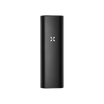
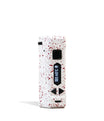
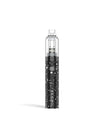
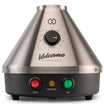



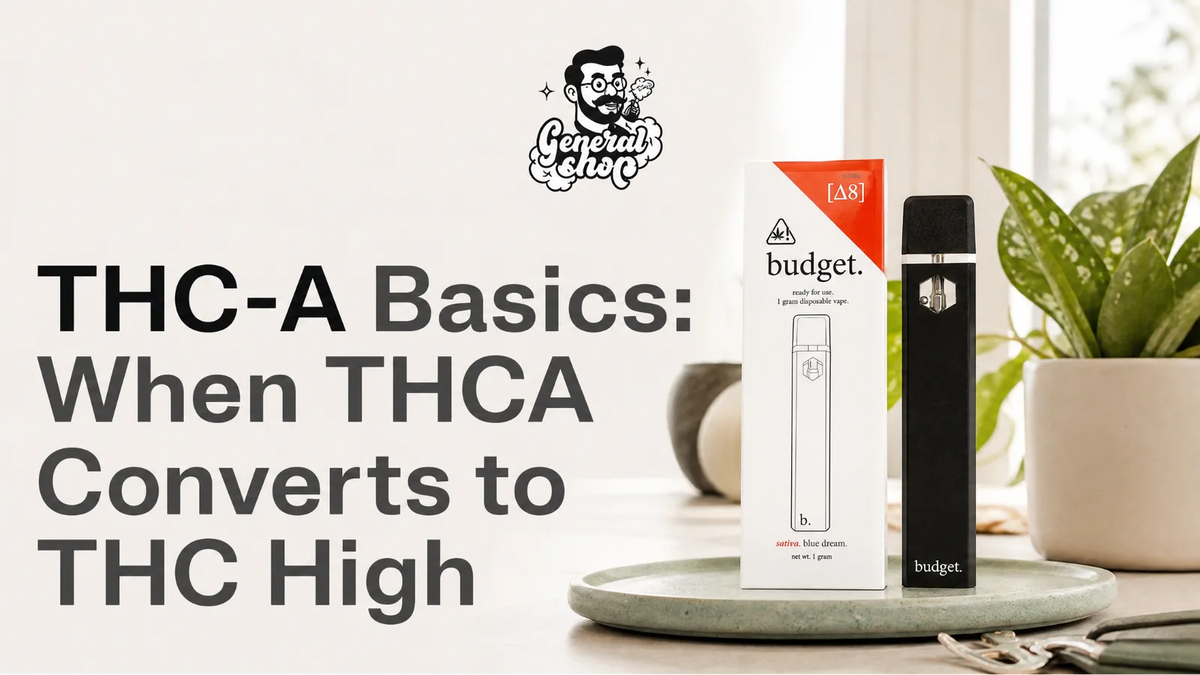
THC-A on its own is generally non-intoxicating, but when heat is applied it can convert through decarboxylation into THC, which is intoxicating.
Here’s what you need to know right now:
- THC-A beverages are ready-to-drink and require no equipment or preparation.
- Decarboxylation is the heat-driven conversion that changes THC-A into THC.
- Onset time is usually slower, often 30-90 minutes, so avoid quick re-dosing.
- Potency is measured in mg, so read the bottle and start with a small serving.
- Third-party testing matters because labeling accuracy drives predictability and trust.
- Avoid mixing with alcohol, since combined use can intensify effects and impairment.
- Do not drive or operate machinery after consuming cannabinoid beverages.
- Expect different experiences across beverage, flower, and vape due to conversion likelihood.
At General Shop, we focus on drinkable THC-A with clear mg labeling and options like Torch High Potency THC Seltzers 60mg, Blitzd THC Lemonade 12oz, and Liquid Lava Infused Beverage 500mg D9 for higher-tolerance users. We also recommend you check a COA when it is available, store beverages properly, and plan around 21+ age verification plus state-by-state restrictions and shipping rules.
Before you compare formats or shop by potency, you need one clean reset: the myth that THC-A is “active” until heat enters, versus the fact that THC-A stays calm until conversion conditions show up.
Myth vs fact: THCA is calm until heat enters
 The biggest misunderstanding is thinking “THC-A” on a label automatically means mild effects. THC-A (also written THCA) is generally non-intoxicating in its raw, unheated form because it does not activate CB1 receptors in the brain, which Project CBD research explains clearly. The surprise comes from what happens next: heat changes the molecule.
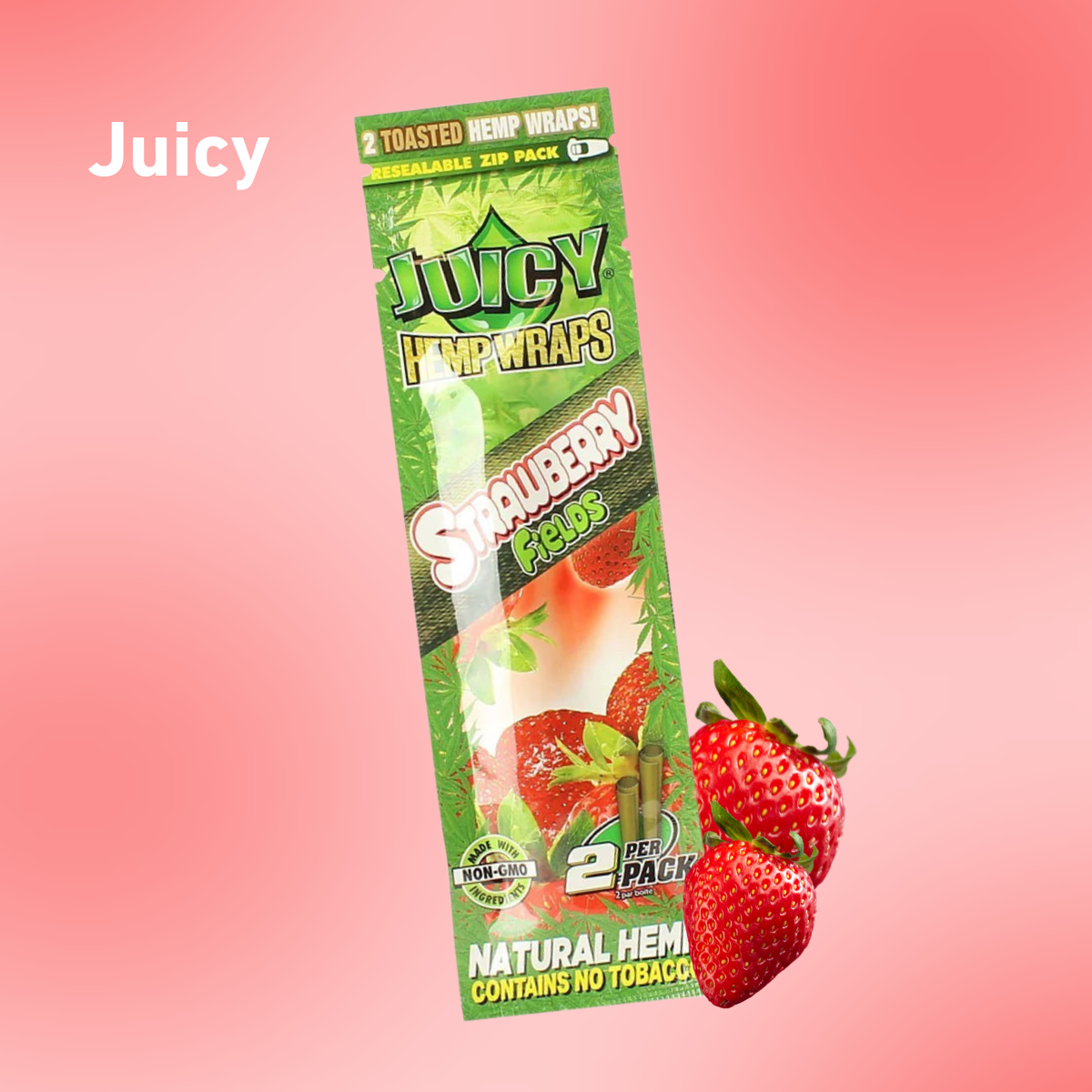
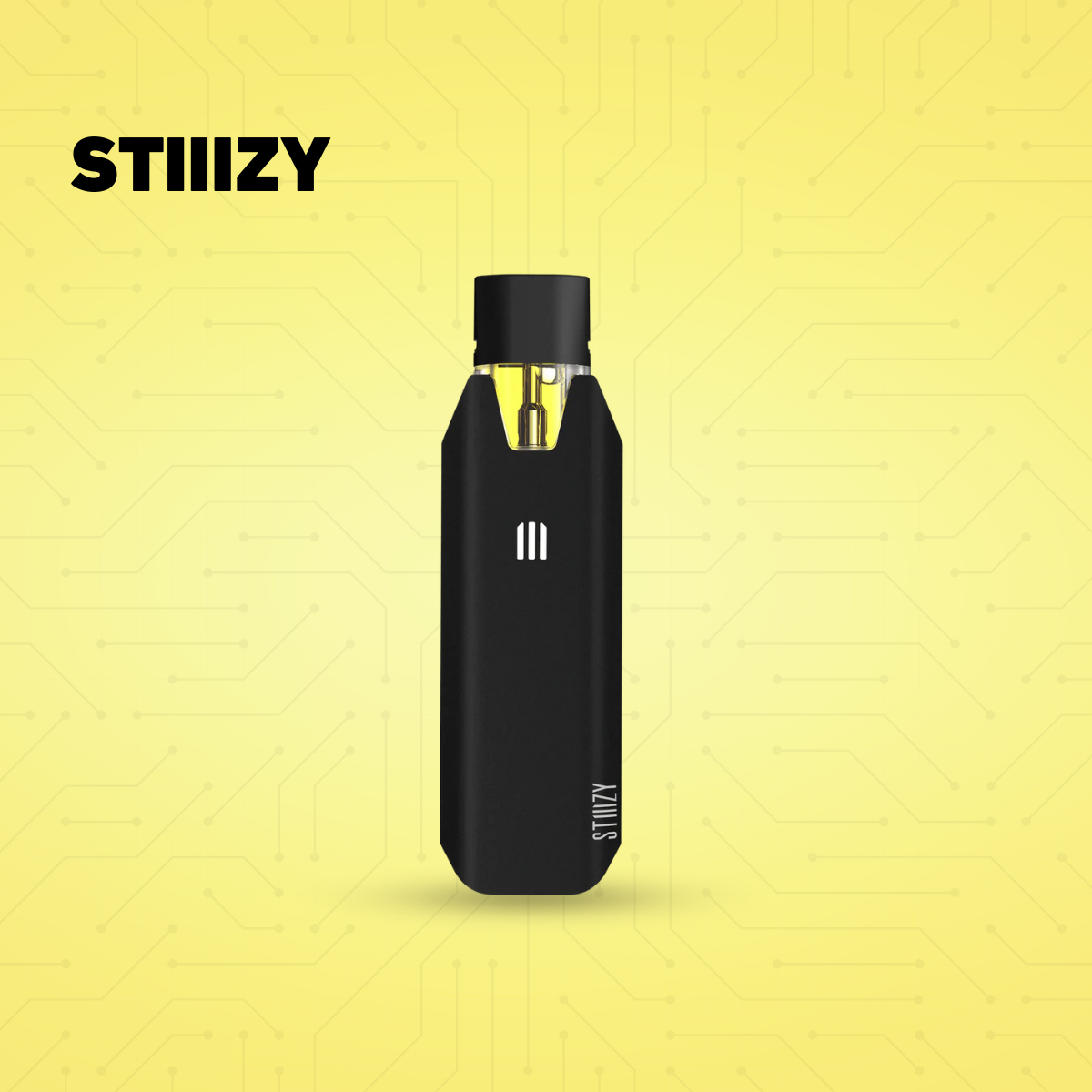
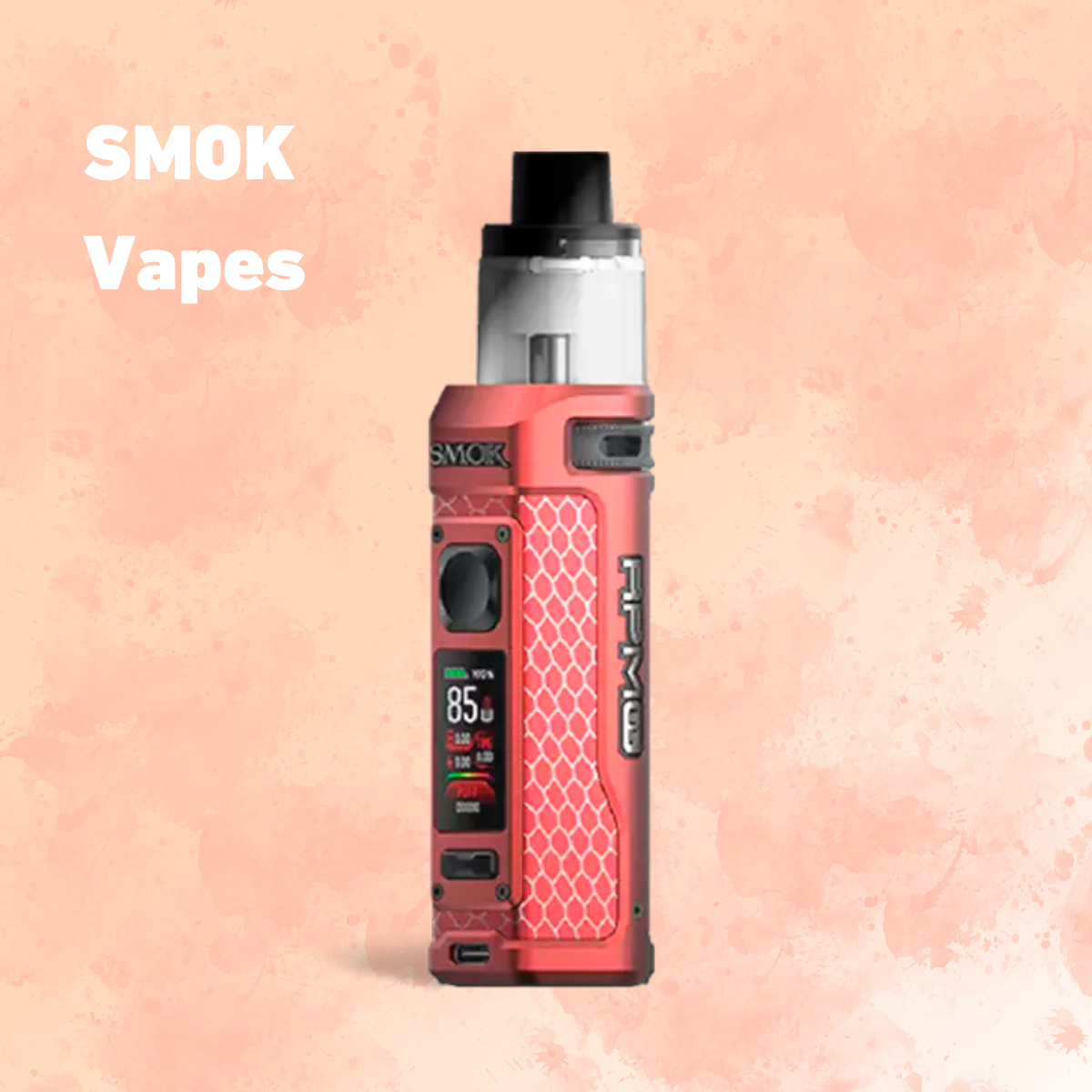
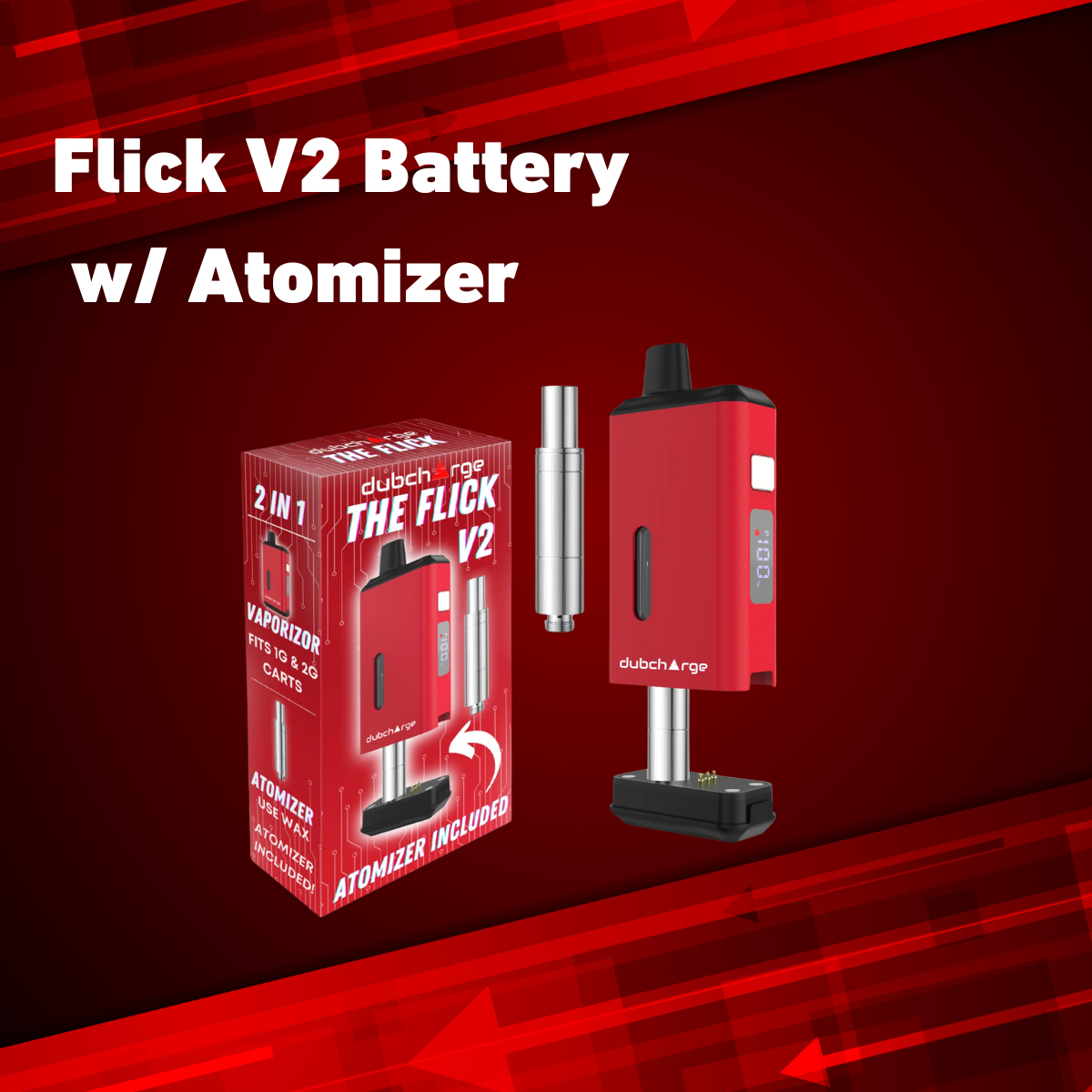
Smoking and vaping are the fastest ways to trigger that change. When you apply high heat, THCA converts through decarboxylation into THC, the form associated with intoxication. In other words, if you inhale a THCA product that’s meant to be heated, you should expect THC-like effects, not a “non-psychoactive” experience.
Project CBD research also notes that when smoking cannabis, more than 95% of the THCA is converted to THC.
Baking and cooking can do the same thing, just on a different timeline. Oven heat and stovetop heat can decarboxylate THCA during preparation, so the final edible or infused food may behave like a THC edible even if the starting ingredient was “THCA-rich.”
So why do labels sound contradictory? Because brands may list both “THCA” and “THC” separately, while your actual experience depends on whether heat is part of the format. “Non-intoxicating” can be true for raw THCA, and still misleading for anything you smoke, vape, or cook.
When THCA converts: the real-world heat triggers
 The “surprise” with products labeled non-intoxicating usually comes down to one thing: heat. THCA can convert into THC during heating, and that change can shift both how strong it feels and how quickly you notice it.
Temperature and time basics
THCA conversion increases with heat, and it also depends on how long heat is applied. That is why the same starting material can feel mild in one situation and much stronger in another.
With low heat, conversion is slower and less complete. Gentle warming, brief exposure, or indirect heat tends to create a smaller and more gradual shift, which is where many “I didn’t expect that” stories start: the label is about the raw form, but your use adds heat.
Higher heat drives faster conversion. peer-reviewed decarboxylation research evaluated decarboxylation temperatures between 80
- 150 °C and time settings of 5
- 60 min, which is a clean way to see the temperature-and-time tradeoff in real numbers.
Moisture matters because water has to be driven off before the product can efficiently heat up at the surface. A wetter product often spends more time “steaming” and less time in the temperature zone where conversion happens quickly, so the experience can feel less predictable from one batch or storage condition to the next.
- More heat plus more time generally means more conversion.
- Lower heat tends to convert more slowly, and the effects, if any, can feel delayed or muted.
- Higher heat tends to convert faster, which can feel more immediate and more intense.
- More moisture can slow effective heating, so results can vary even when you think you used the same method.
Why your method changes effects
Your consumption method changes both the conversion and the timeline of effects. If you are trying to avoid unexpectedly strong intoxication, the “how” matters as much as the label.
Combustion is the fastest, hardest heat exposure, so conversion can be rapid and substantial. That speed is a big reason inhaled routes can feel intense quickly and are easier to overdo in the moment.
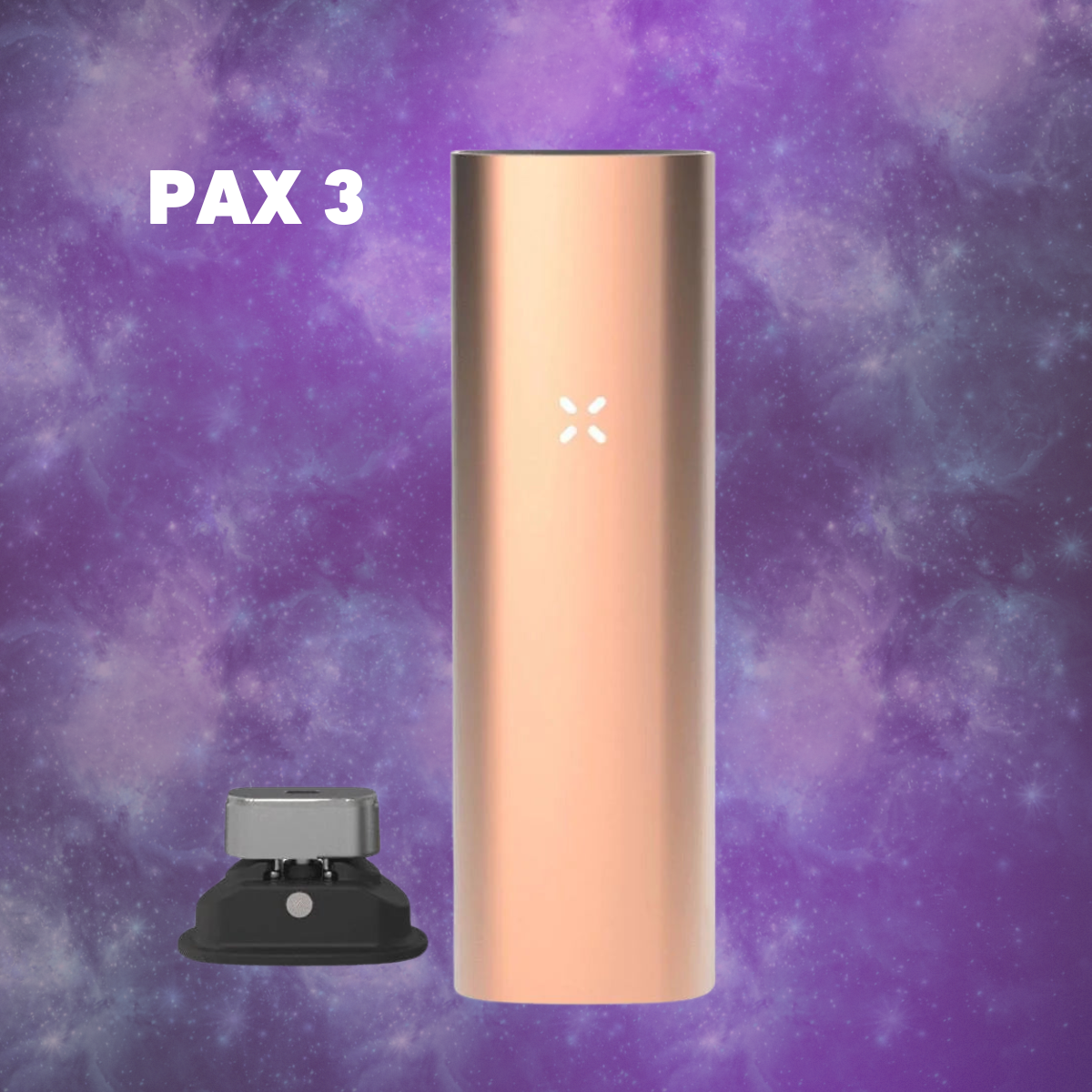
Vaporizing is typically more controllable because you can choose a temperature range and keep it consistent. More control does not mean no conversion, it means you have a better chance at repeatable results from session to session.
THC-A beverages are different because you are not heating the drink during use. The experience relies on digestion and metabolism, so onset is usually slower and the duration can run longer compared to inhalation. For many people, that slower ramp is the main advantage of a THC-A seltzer or THC-A lemonade when they want a more measured, dose-based experience.
- Combustion: fastest onset, strongest and quickest conversion, effects can arrive in minutes and taper sooner.
- Vaporizing: still fast onset, but temperature control can make intensity easier to manage.
- Drinks: slower onset because digestion is involved, with a longer-lasting feel for many users.
Beverage vs flower vs vape: side-by-side decision table
 Use this table like a shopping filter. The columns to compare are: format, conversion likelihood, onset, duration, dosing control, odor, equipment, and common mistakes.
Speed and duration tradeoffs
Speed is the biggest feel-it-right-now difference. Drinks take longer to show up, while inhaled options hit in minutes, so your timing and “did I take enough?” instincts need to change with the format.
For a THC-A infused drink, plan on a 30 to 90 minute onset. That slower ramp is exactly why beverages tend to feel longer-lasting than inhaled options, especially when you keep sipping or split a bottle into measured servings.
Vape and flower both have fast onsets measured in minutes. That makes them easier for quick feedback, but the experience is typically shorter than a beverage, and it is easier to overshoot in the moment because you can take “just one more” hit quickly.
- THC-A beverage: onset 30 to 90 minutes; longer duration
- Vape: onset in minutes; typically shorter duration than a drink
- Flower: onset in minutes; typically shorter duration than a drink
- Common timing mistake with drinks: re-dosing before the first serving has fully arrived
Control and labeling clarity
Control comes down to what the label lets you measure and what your body can repeat. Beverages usually win on “I can take the same amount again next time” because you are dosing by milligrams, not by guesswork.
A THC-A beverage label is typically straightforward: mg per serving. That makes it easier to split a can or bottle into consistent portions. This is where products like Torch High Potency THC Seltzers 60mg fit well, because the potency is already expressed in a serving-based way you can track.
Flower labels are usually percent-based, so you end up estimating mg from a percent number, how much you packed, and how efficiently you heated it. Vapes can be convenient, but you also take on more lab-variance risk between batches and hardware performance, which can change how consistent a “same-size” puff feels session to session.
- Beverage: mg per serving supports repeatability across sessions
- Flower: percent-to-mg is an estimate and depends on how much you use and how it is heated
- Vape: variance can come from lab results plus device performance, so repeatability can wobble
- Common control mistake: comparing “one hit” to “one sip” as if they are equal units
Pick the right THC-A format in 60 seconds: our 5-point score
 The “non-intoxicating” label is where people get surprised: heat can convert THC-A to THC, so your format choice matters as much as your dose.
Quick picks by profile: first-timers usually do best with a clearly labeled, single-serving THC-A seltzer. Social sipping fits a 60mg option you can pace. High tolerance users often prefer higher-potency bottles where you can measure servings.
If you want to avoid odor, beverages are the simplest route. For travel-friendly use, choose sealed, ready-to-drink containers and confirm your state’s rules at checkout.
The 5-point scorecard
Score each format from 1 (poor) to 5 (excellent). Add the points, then pick the option with the highest total for your priorities. This is the fastest way to avoid taking more because you “don’t feel it yet.”
A key reality: drinks are usually more predictable than anything involving heat, because heating is the trigger that can change THC-A into THC. That conversion is well established in peer-reviewed decarboxylation research, which is why we treat heated methods as higher-variability for first timers.
- Predictability score: 5 = mg per serving is clear and you can measure a partial serving; 1 = you can’t reliably repeat the same experience.
- Onset speed score: 5 = you feel it quickly; 1 = you need patience. For infused drinks, plan on 30-90 minutes before deciding on more.
- Duration score: 5 = stays with you for hours; 1 = fades quickly. Longer duration can be good, but it raises “I took too much” regret.
- Stealth score: 5 = no lingering odor and easy to use in normal settings; 1 = draws attention.
- Effort and gear score: 5 = open and sip; 1 = requires extra gear, setup, or cleanup.
Quality checks that prevent harsh sessions and sketchy potency
 Harsh experiences and “this batch feels different” usually trace back to two things: weak documentation and sloppy processing. A quick quality check before you buy saves you from guessing later.
COA checklist you can scan
A COA is only useful if you can tie it to the exact THC-A beverage in your hand. You should be able to verify the lab, the batch, and the full results in under a minute.
We tell customers to ignore flashy label claims and scan for traceability and completeness. If anything feels missing or mismatched, choose a different batch or brand.
- Third-party lab name present: a real, independent lab is listed, not “in-house testing” or a blank header.
- Batch and date match: the batch or lot number on the container matches the COA, and the test date is recent enough to be relevant to that run.
- Cannabinoid panel totals: you can see THC-A and any THC listed, plus a clear “total cannabinoids” style summary so the potency math is not a black box.
- Contaminants section included: the report includes at least a basic screen for common risk areas (like residual solvents, heavy metals, pesticides, and microbials), rather than only cannabinoids.
Why harsh hits happen
With drinkable THC-A, “harsh hits” usually means throat irritation from carbonation, acidity, or drinking too fast, not combustion. The fix is almost always pacing and temperature, plus making sure you are not taking a product with avoidable processing red flags.
Residual solvents are a key risk flag when the COA skips contaminants or looks incomplete. If you cannot find a contaminants section at all, you are being asked to trust without evidence.
Heat can still matter: leaving a bottle in a hot car or repeatedly warming and chilling it can change taste and make the session feel rougher on your stomach or throat. Store unopened bottles cool and dark, and refrigerate after opening.
Keep the basics tight: drink water alongside your serving, sip slowly, and wait 30 to 90 minutes before you add more. That pacing reduces irritation and helps you judge potency without stacking servings too quickly.
Shopping THC-A drinks with predictable servings at General Shop
Predictable servings come down to two things: pick a clearly labeled mg option, then give it a real wait window before you decide you need more. At General Shop, we keep it simple with ready-to-drink choices that spell out potency so you can shop based on your tolerance, not guesswork.
For a straightforward first trial, Torch High Potency THC Seltzers 60mg is the cleanest starting point we recommend. Try one 60mg serving, then stop and wait. Oral drinks can take time to land, and stacking doses early is the easiest way to overdo it.
Use this timing rule: wait 30 to 90 minutes before you drink more. That range is normal for edible-style absorption; a pharmacokinetic study published in PMC found time-to-peak plasma THC concentration ranged between 35 and 90 min for edible products containing 10 mg THC. Your personal onset can vary with food, hydration, and tolerance, so start slow.
If you want a larger, flavor-forward bottle format, Blitzd THC Lemonade 12oz is a solid option, especially when you want to sip instead of chug. If you already have a high tolerance and want an all-in-one bottle built for that lane, Liquid Lava Infused Beverage 500mg D9 is the heavyweight option, and it is not the one to experiment with casually.
Storage matters for consistency: keep unopened drinks in a cool, dark place, and refrigerate anything opened. Seal it tightly, keep it away from kids and pets, and confirm your state and age (21+) eligibility and any shipping restrictions at checkout before you place the order.
Tight answers before checkout: legality, shipping, and mixing
Before you place your order, plan for two quick compliance checks: you must be 21+ and you will complete age verification at purchase and again at delivery. Restrictions also vary by state, so availability can change based on your shipping address and local rules even when an item is in stock.
On shipping, we keep it straightforward: orders are processed and shipped within 24 business hours, and you will get tracking so you can follow the package end to end. Packaging is discreet and does not advertise what is inside, which helps keep deliveries low-profile in shared households or apartments.
One last practical note for first-timers: skip mixing a THC-A beverage with alcohol. Alcohol can amplify the experience and make it harder to gauge your serving size, so start with one product at a time until you know how you respond.
Ready for predictable THC-A sipping, not surprises?
If you want more control than guesswork, stick with a THC-A beverage you can measure by the serving. We keep it simple: pick your format, check the mg on the bottle, start small, then wait. Most people feel THC-A beverage effects in the 30 to 90 minute window, so rushing a second serving is where things get unexpectedly intense.
Start with Torch High Potency THC Seltzers 60mg for an easy first trial at $9.99, or go flavor-forward with Blitzd THC Lemonade 12oz at $19.99. If you already know you have a higher tolerance, Liquid Lava Infused Beverage 500mg D9 is $29.99.
FAQ style checkout notes: We ship in discreet packaging, tracking is provided, orders are processed and shipped within 24 business hours, you must be 21+, and state-by-state restrictions apply at checkout.
Frequently Asked Questions
Does THCA get your stoned?
Not in its raw, unheated form. But once heat is involved, decarboxylation can convert THCA into THC, so the experience can feel like regular THC depending on how it is used.
Is THCA going to get you high?
THCA by itself is generally non-intoxicating, but heat changes the equation. If it is exposed to enough heat and time to convert to THC, you should expect THC-like effects.
How long does it take for THC-A beverages to take effect?
Most people should plan on 30 to 90 minutes. If you are new, take one serving, wait the full window, and only then decide whether you want more.
What's the difference between THC-A and D9 beverages?
THC-A beverages are built around THC-A infusion, which is not intoxicating until it converts. D9 beverages contain delta-9 THC, which is already in the active form, so the effects tend to feel more direct and less dependent on conversion.
Can I mix THC-A beverages with alcohol?
We suggest you avoid mixing if you are new or unsure of your tolerance since alcohol can make the experience feel stronger and harder to gauge. If you do mix, keep servings small and do not drive or operate machinery.


Leave a comment
This site is protected by hCaptcha and the hCaptcha Privacy Policy and Terms of Service apply.