







THC-A on its own is non-intoxicating, but when you heat it, it can convert to THC through decarboxylation. That conversion is why you should assume a THC-A beverage can feel THC-like if it is processed or handled in a way that adds heat.
Here’s what you need to verify before you buy:
- Confirm the product name and batch on the COA match your exact bottle.
- Check potency in mg per serving and mg per container, not just a headline number.
- Look for a clear breakdown that separates THC-A, THC, and total THC reporting.
- Prefer recent tests; older COAs can miss changes from storage and handling.
- If the COA is hard to read, assume dosing will feel inconsistent.
We focus on drinkable THC-A because dosing control matters when onset is slower, usually 30-90 minutes. In our shop, that means leaning on third-party COAs before you choose options like Torch High Potency THC Seltzers 60mg, Blitzd THC Lemonade 12oz, or any other THC-A infused drink. Also note: you must be 21+ to purchase, and state-by-state restrictions can affect what we can ship and where.
The biggest myth we see is that a COA is a quick credibility stamp, when it is really a document you have to verify line by line.
Let’s start with the myth vs fact: a COA is not a vibe check.
Myth vs fact: a COA is not a vibe check
 A COA is a lab report, not a trust badge. It can verify what was measured in one specific sample, but it cannot prove a whole brand is “good” or that every can will match the label.
Myth: COAs are all the same
COAs can look “official” and still mean very different things. Two labs can test the same category of product and produce reports that are formatted differently, use different terminology, and highlight different results.
The biggest gap is what’s included versus what’s left out. One COA might show a cannabinoid potency panel only, while another includes additional contaminant testing. If you do not see a panel on the report, assume it was not run.
Also, COAs are batch-specific, not brand-wide. A clean report for one THC-A beverage batch does not automatically validate a different flavor, a newer run, or a restock made months later.
- Lab-to-lab format differences: layout, naming conventions, and which values are emphasized can vary
- Panels included vs omitted: potency may be present while contaminants are missing, or vice versa
- Batch-specific reality: a COA applies to the exact lot that was sampled, not the entire brand lineup
Fact: COAs prove batch reality
A COA is still one of the best tools you have because it documents what the lab found in that batch at that point in time. For THC-A infused drinks, that usually means a potency snapshot and, when included, a contaminant snapshot.
A report is only useful if it’s detailed. Look for dates (when it was received and tested), the methods used, and detection limits so you know how sensitive the testing was. That context matters when you are trying to judge how meaningful a “not detected” line really is.
Finally, a COA is only as good as the match. If the lot or batch number on your bottle does not match the COA, you are not looking at proof for your drink, just a document.
- Snapshots: potency and any tested contaminants reflect one sampled batch, not a lifetime promise
- Credibility details: test dates, methods, and detection limits show how the results were produced
- Match-or-miss: the COA must match your product’s batch information to be relevant
Beverage vs flower vs vape: how COA accuracy risk changes
 The same COA fields can mean very different things depending on format. If your worry is “this says non-intoxicating, but I might feel stronger effects than expected,” the biggest swing factors are how potency is labeled, whether heat is involved, and where testing tends to miss real-world variability.
Potency labeling and dosing control
Drinks usually give you the most direct dosing math because the label is typically in milligrams, while flower and vapes often lead with percentages. That difference matters when you are trying to avoid stronger-than-expected effects from a product marketed as gentle.
With a THC-A beverage, you can measure a portion of the bottle or can and match it to “mg per serving.” With flower, a percent number still has to be translated into how much you actually used, and with vapes you are often estimating by puff size and device output.
Mislabels show up differently by format. In a drink, the red flag is straightforward: you take the same measured pour and feel noticeably stronger or weaker than prior servings. In flower and vapes, the same “mislabel” can feel like randomness because your inhalation pattern, material density, and device heat all change the delivered dose.
- mg per serving: easiest to portion and repeat in drinks
- percent potency: requires you to estimate how much material you used, so your real dose can swing
- serving size consistency: bottles and cans can be repeatable if you pour or measure the same amount each time
For serving control, beverages feel more predictable because you can keep the input (mg) consistent instead of guessing from a percent plus a puff or pinch.
Conversion risk from heat
Heat is the main conversion risk: THC-A can decarboxylate into THC when exposed to high temperatures, which changes the experience from “non-intoxicating” to THC-like effects. That is why a COA that looks reassuring on paper can still lead to a much stronger outcome once heat enters the picture.
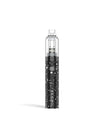
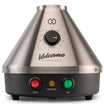
Flower and vapes are high-conversion formats by design because they involve combustion or a heated coil. The more heat you apply and the longer you apply it, the more you should assume you are shifting THC-A toward THC. This is consistent with decarboxylation kinetics research showing conversion depends on time and temperature.
Drinks are a no-heat format at the point of use. You are not applying a flame or coil, so you remove the biggest variable that creates surprise intensity from THC-A conversion during consumption.
- Flower: direct flame or high heat leads to substantial conversion
- Vape: coil temperature and draw style can change conversion and delivery
- Beverage: no heating step while consuming, so conversion risk during use is lower
Testing gaps by product type
Every format has blind spots, and those blind spots change what you should scrutinize on a COA. The goal is not perfection, it is knowing where “accurate on paper” can drift in real life.
With drinks, the core challenge is homogeneity. If the infusion is not evenly distributed, the top of the bottle and the bottom can deliver different milligrams even when the COA lists a single number for the batch.
Flower has natural batch variability. Plant material is not perfectly uniform, so two jars with the same label can still burn differently and deliver cannabinoids differently, especially if moisture and handling vary.
Vapes add a separate risk: hardware and materials. Even if the oil tests clean, contamination concerns can come from the device components or manufacturing residues, so the “product” is not only what is in the tank.
- Drinks: uneven distribution can make servings inconsistent if the product is not truly uniform
- Flower: potency and burn can vary across a batch due to natural plant variability
- Vapes: device hardware introduces additional contamination pathways beyond the oil itself
The 2-minute THC-A COA checklist we use
 Harsh hits and inconsistent effects usually trace back to one thing: the COA does not actually match what you are holding. This is the quick, repeatable order we use to verify a THC-A beverage report before you spend money.
Identity match: product and batch
Start by proving the COA belongs to your exact bottle, not a “similar” run. A real match is boring and specific, and that is what you want.
When brands reuse old reports, the first clues show up in tiny mismatches: a different lot code on the bottle, a slightly different product size, or dates that do not make sense for how recently the item was produced. If any of these do not line up, stop and ask for the correct report before you trust any potency or safety numbers.
- Batch or lot number match: the code on your bottle should match the COA exactly (no missing characters, no “close enough”).
- Product name and size match: the COA should name the same THC-A infused drink and the same container size (for example, 12oz lemonade vs 8oz bottle).
- Sample date and report date: the sample date should come before the report date, and both should be reasonably recent for an active retail product.
Potency math: mg you can trust
Next, make the label math work. You are checking that the milligrams you pay for are the milligrams you can actually dose.
For THC-A beverages, your practical questions are simple: how many mg are in one serving, how many servings are in the container, and does the total add up cleanly. This is the step that protects you from “feels weaker than it should” bottles and from accidentally overdoing it because the serving count is unclear.
In our shop, this is why we like clearly labeled options like Torch High Potency THC Seltzers 60mg: you can sanity-check the mg per serving quickly, then dose consistently.
- Mg per serving confirmation: the COA potency should support the mg claim you see on the can or bottle for one serving.
- Servings per container check: confirm the container states how many servings it contains, then multiply to see if the total makes sense.
- Total cannabinoids consistency: the COA should not show totals that contradict the serving math (for example, totals that do not align with the stated per-serving mg times servings).
Safety panels: must-have screens
Finally, verify the report includes the safety screens that catch the stuff you cannot see or taste. A potency-only COA does not address the “harsh hit” worry, because irritation can come from contaminants or process residues, not just cannabinoids.
At minimum, you want the core panels that regulated programs expect. California DCC testing requirements include heavy metals, microbial impurities, and mycotoxins as standard COA pass-fail items, which is a good baseline for what “complete testing” looks like.
- Heavy metals panel present: look for a clear pass or fail section, not a vague statement.
- Microbials and mycotoxins present: both should be listed as their own results areas.
- Residual solvents where relevant: expect this when the product uses an extract-based THC-A infusion; the report should show results, not omit the category.
A simple scoring rubric to choose the right bottle
 To reduce the chance of stronger-than-expected effects from something marketed as “non-psychoactive,” score every THC-A beverage the same way: label clarity, COA completeness, and how it fits your timing.
Score potency clarity
Potency confusion is where surprises happen. Your goal is a label that tells you exactly how much you are drinking per serving, with numbers that match the COA.
We see avoidable mistakes when bottles lead with big “total mg” numbers but bury the serving size, or when the COA lists a different mg per serving than the bottle. If either is unclear, you cannot dose predictably.
- 2 points: Serving size is spelled out in plain language (for example: “1/2 bottle,” “2 oz,” or “1 can”), not just “per container.”
- 2 points: The mg per serving on the label aligns with the COA cannabinoid table for the same unit (per serving or per bottle).
- 1 point: No confusing totals (no mixing “per bottle,” “per can,” and “per serving” numbers without explaining how they relate).
Score testing completeness
A COA is only useful if it is complete and readable. Missing panels or missing pages is a common reason “non-psychoactive” marketing doesn’t line up with what you experience.
- 2 points: All required panels are present and show pass where applicable (not just a potency page).
- 2 points: LOQ and units are shown so you can interpret “ND” correctly (you want to see what “not detected” actually means).
- 1 point: No missing pages, cut-off tables, or screenshots that hide lab details or sample identifiers.
Score fit for your night
Even with a perfect COA, the wrong potency for your schedule can feel like “too much.” For drinkable THC-A, plan around oral timing: effects often show up in 30-90 minutes, sometimes as early as 15-30 minutes.
For most people, the experience lasts longer than a quick session, so choose a format and mg that fits your bedtime, not just your curiosity.
- Onset expectation: set a timer for 60 minutes before you judge your serving.
- Duration expectation: assume a multi-hour window and avoid stacking other intoxicating products.
- Re-dose plan: only re-dose once per night, and only after you have waited a full 90 minutes; keep your total to a pre-set limit based on the label’s mg per serving.
If you want a simple first comparison in our catalog, Torch High Potency THC Seltzers 60mg is easier to score and dose than ultra-high total mg bottles because the serving math is simpler.
Practical safety and compliance: harsh hits, clogs, shipping, and rules
 Harsh hits and clogs are real warning signs with inhalable THC-A products, and they are also why we push drinkables when you want predictable dosing. A rough throat hit, burnt taste, or hardware that stops pulling halfway through can mean poor formulation, inconsistent oil viscosity, or simply a device that does not handle the material well. You cannot “read” a Certificate of Analysis (COA) into fixing a bad inhale experience, so if your goal is consistency, a THC-A beverage is usually the cleaner choice.
For predictability, oral formats win: you measure by mg on the label, you do not deal with clogged airflow, and you avoid the big swing that comes from how hard you inhale or how hot a device runs. We still want you to use your COA checks, but pairing that with a measured serving size is how you reduce surprises.
On the compliance side, expect 21+ age verification for purchase and delivery. Most orders also use address validation and, in some cases, adult signature.
State rules change, and restrictions are applied at checkout based on where you are shipping. If a product cannot ship to your state, you should see that before you pay, not after.
Shipping is typically discreet: plain outer packaging, a standard carrier label, and tracking sent to you once it ships. Plan your first session like this:
- Start with the listed serving size on the bottle
- Wait 30-90 minutes before having more
- Do not drive or operate machinery
If you want a straightforward first buy, we usually point you to Torch High Potency THC Seltzers 60mg because the dosing is simple and repeatable.
Ready to buy with confidence, not vibes If you are using a COA to avoid surprises, your best move is simple: choose a THC-A beverage with clear batch info and easy-to-audit potency in mg per serving. That is exactly how we stock our THC-A infused drinks.
If you are new, start small and keep it predictable. Torch High Potency THC Seltzers 60mg are an easy first pick at $9.99. If you want a flavor-forward option for a laid-back night, Blitzd THC Lemonade 12oz is a solid choice at $19.99.
Quick shipping FAQ: You will see state restrictions at checkout, and you must be 21+ to order. We provide tracking, and we ship in discreet packaging. Once it lands, start with the labeled serving size and wait 30 to 90 minutes before having more.
Frequently Asked Questions
Does THCA get your stoned?
THC-A on its own is not intoxicating, but heat can convert it into THC. If a product is heated during use or processing, assume it can feel THC-like and plan your dose like you would with THC.
Is THCA going to get you high?
Not in its raw, unheated form. But if THC-A is exposed to heat, it can convert into THC, so the experience can be similar to THC depending on how the product is made and used.
How long does it take for THC-A beverages to take effect?
Most people feel effects later than inhaled products, so patience matters. Start with the bottle’s serving size and wait 30 to 90 minutes before you consider more, especially if you are newer to THC-A beverages.
What's the difference between THC-A and D9 beverages?
THC-A is the acidic precursor to THC, while D9 THC is the form most people associate with classic THC effects. Practically, you will see different labeling and dosing expectations, so always read the COA and the mg per serving before you drink.
Can I mix THC-A beverages with alcohol?
We recommend skipping alcohol until you know how your body responds, because combining them can feel stronger than you expect. If you do try a THC-A beverage, keep the dose low, go slow, and do not drive or operate machinery.


Leave a comment
This site is protected by hCaptcha and the hCaptcha Privacy Policy and Terms of Service apply.