



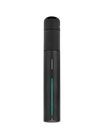
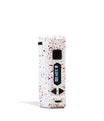
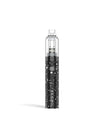
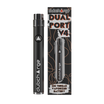

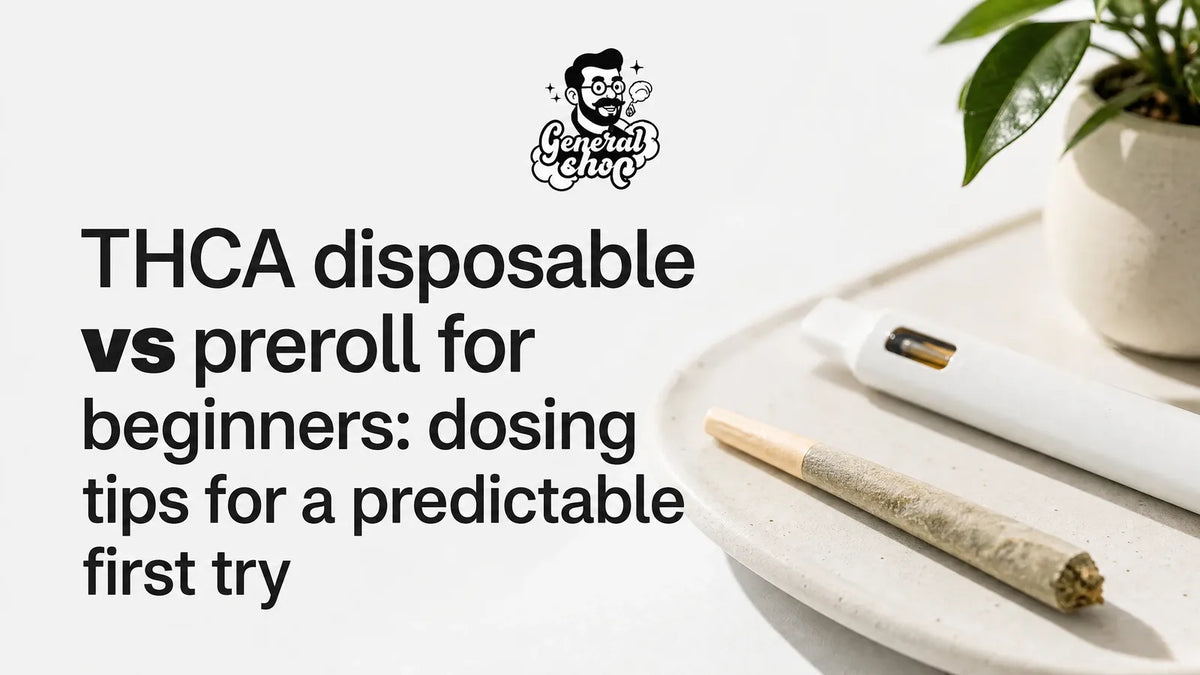
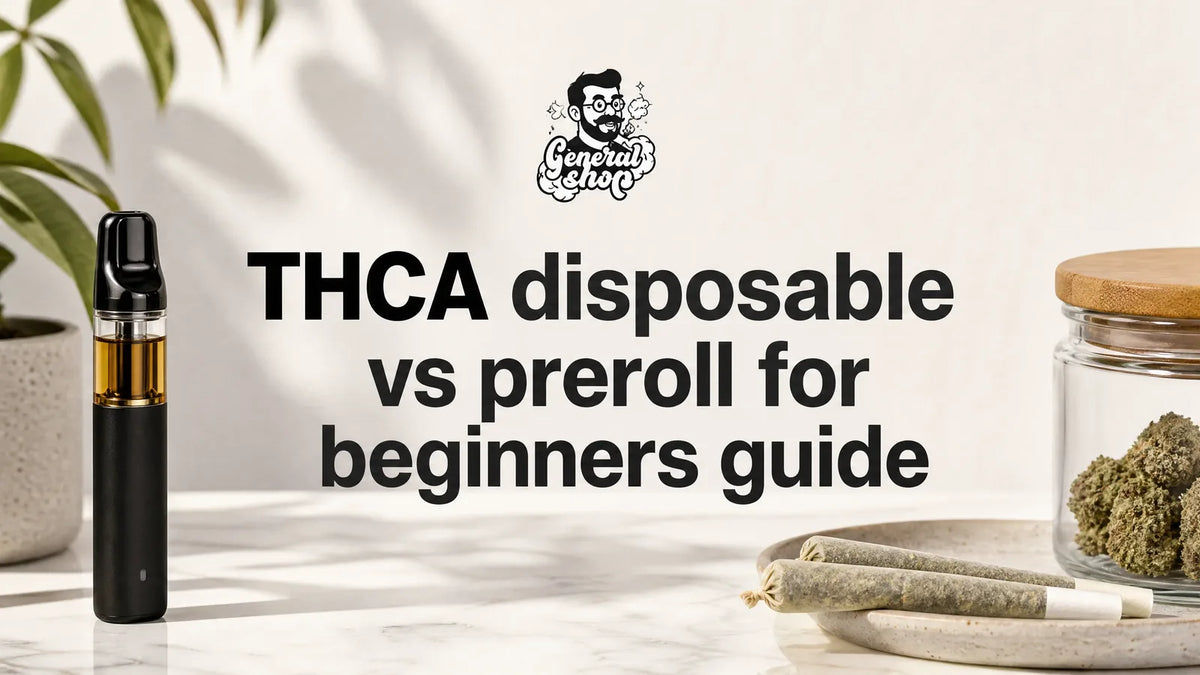
Start with a THCA disposable if you want the most predictable, lowest-friction first try. Only start with a preroll if you genuinely want the smoking ritual and you are willing to risk harsher variability from what is inside the roll.
Here’s what matters most right now:
- If discretion and low smell matter, a THCA disposable is the safer default.
- Treat your first session like a microdose: 1 to 2 short pulls, then wait.
- Verify in 60 seconds: match the COA batch or lot number to your package.
- On a real rosin COA, a lower THCA percentage can be normal because terpenes take space.
- Avoid vague “rosin” marketing when the COA does not explicitly say solventless rosin.
- Thick solventless rosin clogs when you chain-puff or store the device sideways.
At General Shop, we stay COA-first because “lab-tested” only helps when the label and batch match the COA exactly. If you want an all-in-one beginner option after you verify and set a dose plan, we point you to Whole Melts Dual Chamber THCa Disposable 2G or Big Chief THCa Melted Diamonds Disposable 2G, then we have you confirm the listing COA matches what you actually receive.
To make this decision fast, start with a side by side table that compares setup, smell, discretion, session control, how quickly effects come on, how long they last in real use, and the most common beginner mistakes that make a first try feel unpredictable.
See the real differences fast with a side by side table

Most beginners do not need the strongest option, they need the most predictable option. Use the table below as a two-minute filter: how you start a session, how much smell you can live with, how long the effects feel in real use, and which failures you are most likely to run into early.
Setup and session control
A THCA disposable is draw-activated: you inhale and the device heats automatically. A preroll requires flame, timing, and continuous burn management, which makes the first session more variable.
For microdosing, the disposable usually gives you cleaner pacing because you can take one short pull, stop, and reassess. With a preroll, the product keeps burning between puffs, and you tend to overshoot because stopping means extinguishing it and relighting later.
Single-session predictability is mostly about how many variables you are juggling. The disposable limits variables to your pull length and spacing; the preroll adds paper burn rate, airflow, and how densely it was packed.
- Draw-activated disposable: no lighter, no ash, no relights; you control dose by short pulls and wait time
- Preroll: lighting and relighting changes intensity; wind, humidity, and how evenly it burns can change what you get in the same session
- Microdose pacing: disposables support stop-start use; prerolls push you toward finishing “what’s lit”
Smell, discretion, and living rules
The biggest lifestyle difference is lingering odor risk. Vapor from a disposable can still smell, but it typically dissipates faster than smoke from a preroll, which clings to fabrics and can travel to hallways and shared vents.
If you have roommates or a lease with strict no-smoking language, a preroll creates more friction: visible smoke, ash, and a stronger “someone is smoking” signal. Discretion is not just about you, it is about what others can prove or complain about.
Storage also differs. Disposables are self-contained, while prerolls often need smell-resistant storage to avoid a drawer, backpack, or delivery package picking up odor.
- Smell linger risk: preroll smoke tends to stick to clothes and rooms longer than vapor
- Roommate and lease friction: prerolls are harder to keep discreet because combustion is obvious
- Storage and packaging needs: prerolls benefit from smell-proof storage; disposables generally store like a small device
Onset, duration, and fade concerns
Both formats can come on fast, but disposables often feel faster because you can take a concentrated pull and stop immediately. A preroll ramps in a more continuous way because you typically take several puffs close together once it is lit.
Vapes often feel shorter because the session is easier to repeat: quick pulls, quick peaks, and then another pull when you feel it fading. That pattern can make the experience seem like it “drops off,” even when the real issue is the stop-start dosing style.
Avoid a tolerance ramp by treating the disposable like a microdose tool: brief pulls with real pauses, instead of topping up every few minutes. With prerolls, the common error is turning one lighting into a long, continuous session when you only wanted a light trial.
Beginner mistakes you can expect
The failure modes are different, and knowing them upfront prevents a lot of frustration. Prerolls fail through uneven combustion and airflow issues; disposables fail through airflow restriction when the oil is thick and the device is used too aggressively.
- Canoeing and harsh burns: a preroll can burn down one side, forcing hot, harsh hits and wasted material
- Infused rolls not pulling: some prerolls draw tight or clog with sticky contents, so you fight the airflow and overheat the tip trying to keep it lit
- Clogs from chain-puffing: rapid back-to-back pulls can overwhelm the airflow path and wicking, making a disposable feel “dead” until it clears
Pick your starting format based on your living situation

Most beginners do not need the strongest option first. They need the most predictable one, and that usually means a THCA disposable used like a microdose tool.
This is not a moral choice between vaping and smoking. Your living situation, your tolerance for smell, and the kind of session you actually want should drive the decision.
Choose disposable for low-smell homes
Choose a THCA disposable if you share walls, have smell-sensitive roommates, or simply do not want your space to announce what you did an hour ago. Vapor can still have a scent, but it typically lingers less than smoke and is easier to keep contained.
This format also fits real-life time constraints. You can take one or two short pulls, put the device away, and be done, without lighting anything or dealing with ash.
The footprint is smaller, too. A draw-activated disposable is a single all-in-one device with an integrated battery and a pre-filled chamber, so you are not managing extra pieces across your home.
- Lower lingering odor: less “hang around” smell in fabrics and common areas
- Quick, contained sessions: easier to keep dosing small and consistent
- Less paraphernalia footprint: one device to store, not a spread of accessories
Choose preroll for smoking ritual seekers
Choose a preroll if you genuinely want the smoking ritual: the lighting, the draw, the pacing, and the feel of a longer session. For some readers, that experience is the point, not just the cannabinoid delivery.
Be honest about tolerance. Combustion can feel harsher and hit more intensely than expected, and you do not get the same stop-and-start control you get from a quick pull and set-down approach.
This format fits best when you can smoke outside or in settings where lingering odor and visible smoke are not going to create friction with neighbors, family, or house rules.
- Ritual and feel preference: you want a slower, hands-on session
- Smoke tolerance required: harsher delivery is a real variable for beginners
- Outdoor-friendly situations: easiest when you can step outside without complaints
Verify what you bought before you use it

Beginners usually get burned by two things: a COA that does not match what is in hand, or a cheap pre-roll that is mostly shake and burns harsh. A fast verification routine catches both before you waste money or commit to a first session that feels unpredictable.
COA batch match in 60 seconds
A COA only protects you if it is batch-specific and tied to the exact item you bought. Treat “lab-tested” as unproven until the identifiers match line-for-line.
Use the COA as a document check, not a potency hunt. The practical goal is to confirm the product identity and that THCA is actually what is being tested.
- Match lot or batch numbers exactly: the number on the package (or listing) must be identical to the COA sample or batch ID. Different format or a missing number is a fail.
- Check the product type line: it should clearly describe the item being tested (for example, a rosin disposable vs a pre-roll). If the COA is generic or the type does not fit, do not use it.
- Confirm THCA is the primary cannabinoid on the cannabinoid panel, not a minor line item.
Rosin language that signals risk
Rosin wording is where marketing gets slippery. The highest-risk products are the ones that use “rosin” to imply purity without proving it.
In our experience, clear labeling plus a COA that spells out rosin or solventless and includes terpene details is the difference between a true solventless product and a blend being sold on buzzwords.
- Avoid “rosin-infused” wording: it commonly signals a blend, not a pure rosin base.
- Be cautious with vague “solventless” claims that never appear on the COA product description.
- Treat missing terpene breakdowns as a transparency gap, especially when the product is positioned as flavor-forward.
Avoid shake-heavy cheap prerolls
Shake-heavy pre-rolls are the #1 reason beginners describe a first smoke as harsher than expected. Even when the label looks fine, the roll quality and burn usually give it away within the first few minutes.
- Harsh burn indicators: scratchy throat, hot smoke, or frequent relights early in the joint.
- Weak flavor and gray ash: thin taste with dull, gray ash can signal lower-quality material and poor curing.
- Uneven fill and loose roll: soft spots, lumpy density, or a loose twist at the tip often leads to canoeing and inconsistent pulls.
Run your first session like a microdose, not a challenge

Rosin often looks “lower potency” on a COA because it is not pure cannabinoid isolate. Terpenes and other native compounds take up part of the total percentage, so the THCA number drops even when the experience is strong.
Disposable dosing that stays predictable
For a THCA rosin disposable, predictability comes from treating it like a measured microdose, not a continuous session. The “vapes wear off fast” complaint is often a pacing issue, not a product failure.
In our experience, chain-puffing is the fastest way to get an uneven spike, then chase it with more pulls, and then feel like your tolerance jumped.
- Take 1 to 2 short pulls (think brief, controlled inhales, not a long draw).
- Wait 10 to 15 minutes before deciding you need more.
- Avoid chain-puffing patterns, which can overheat the coil and compress your dose into a short window.
Preroll dosing without overshooting
With a preroll, overshooting usually happens because the first few minutes feel mild, then combustion catches up and intensity stacks quickly.
Use small puffs to “set” your baseline, then pause and reassess before you commit to finishing it. A practical stop signal is taste: once it turns harsh, your next few hits are often more irritating than useful.
- Take a few small puffs, then set it down.
- Pause and reassess after several minutes, since the feel can build.
- Stop before it tastes harsh to avoid pushing past your comfortable range.
If you get too high
An uncomfortable spike is usually temporary and manageable, but you need a simple plan so you do not spiral or keep re-dosing.
Start by hydrating and changing your setting: sit down, lower stimulation, and get to a calmer room or outside area if it feels safer. Add food if you can tolerate it, and use slow breathing to reduce the “racing” sensation.
Use a time-based reset: set a timer for 20 minutes, do nothing except water, breathing, and a calm activity, then reassess once the timer ends.
- Hydrate and change setting (quieter, cooler, lower sensory load).
- Eat something simple and focus on slow breathing (longer exhales).
- Follow a time-based reset plan: 20 minutes, reassess, repeat if needed.
Buy your first device after you verify and dose plan

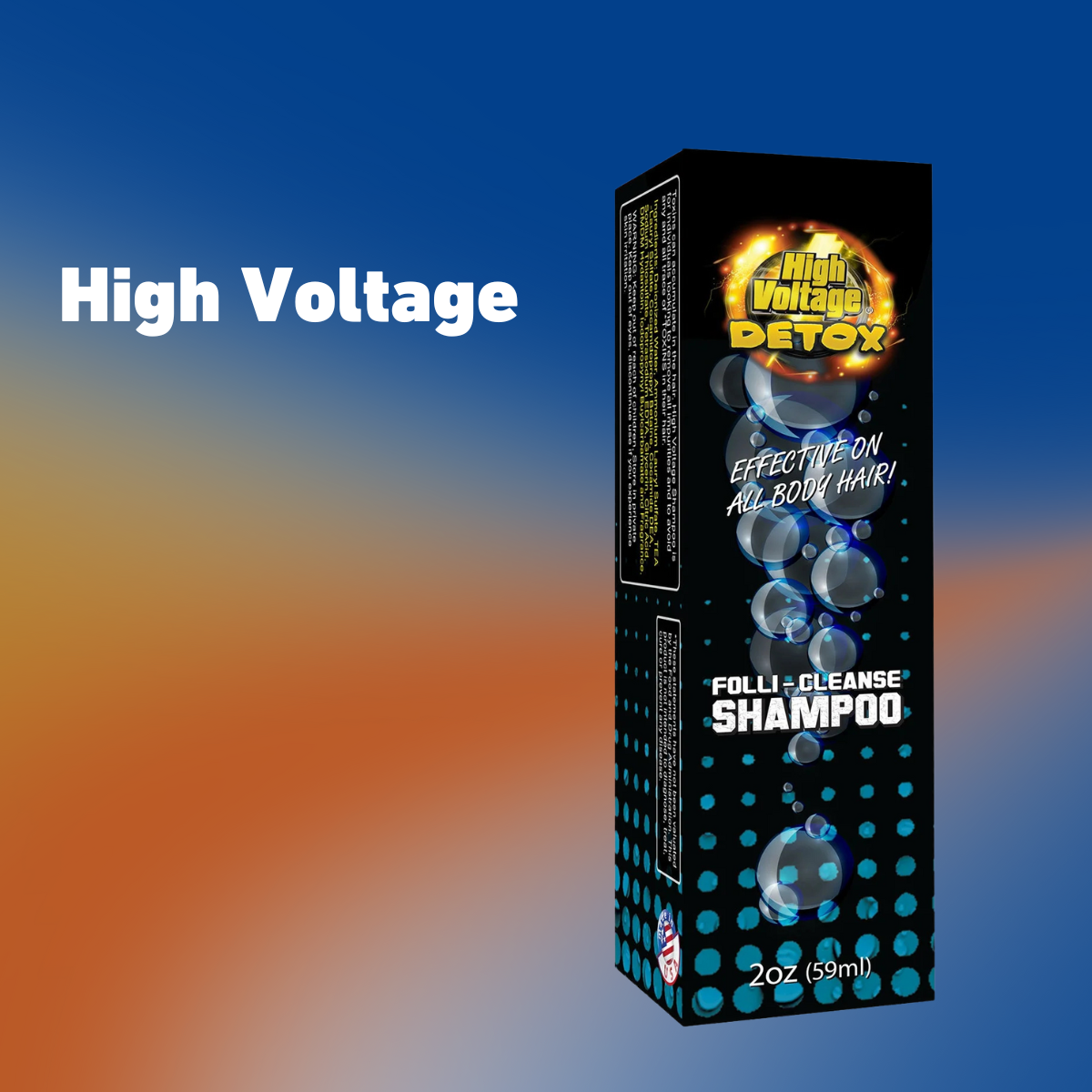
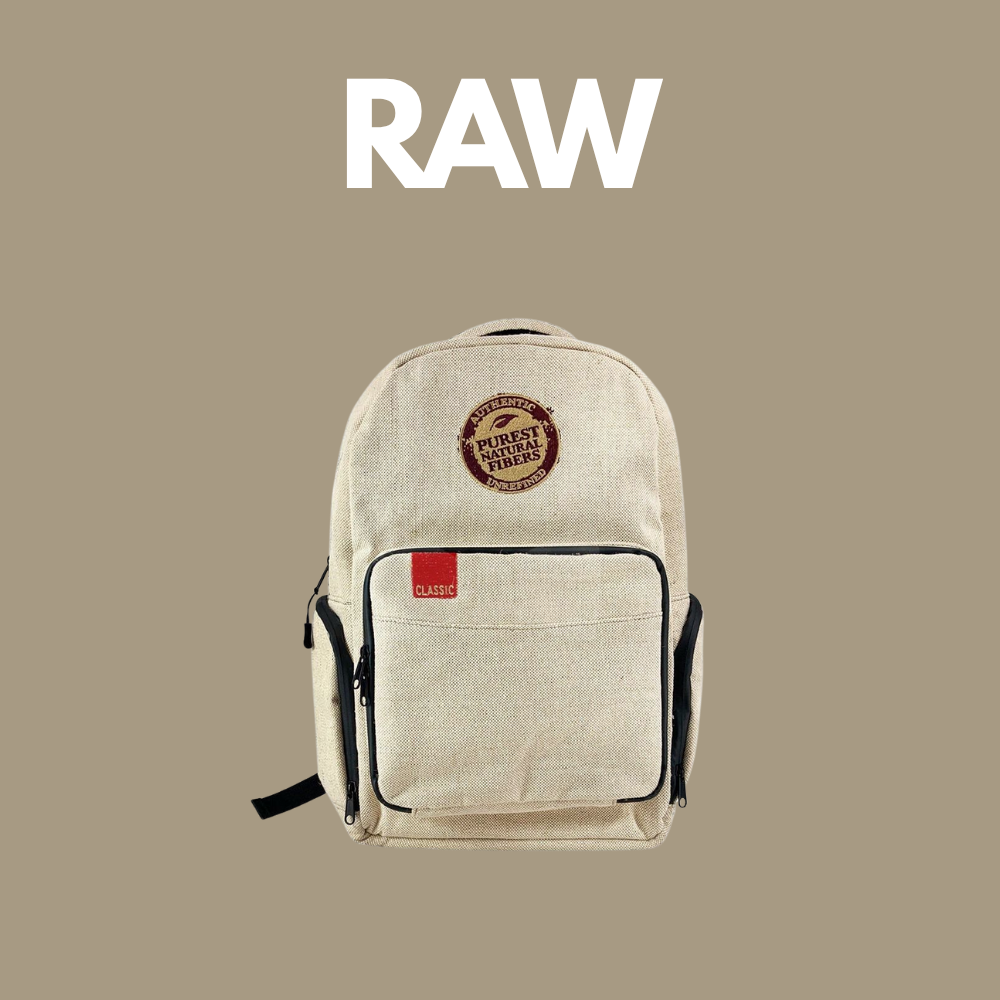
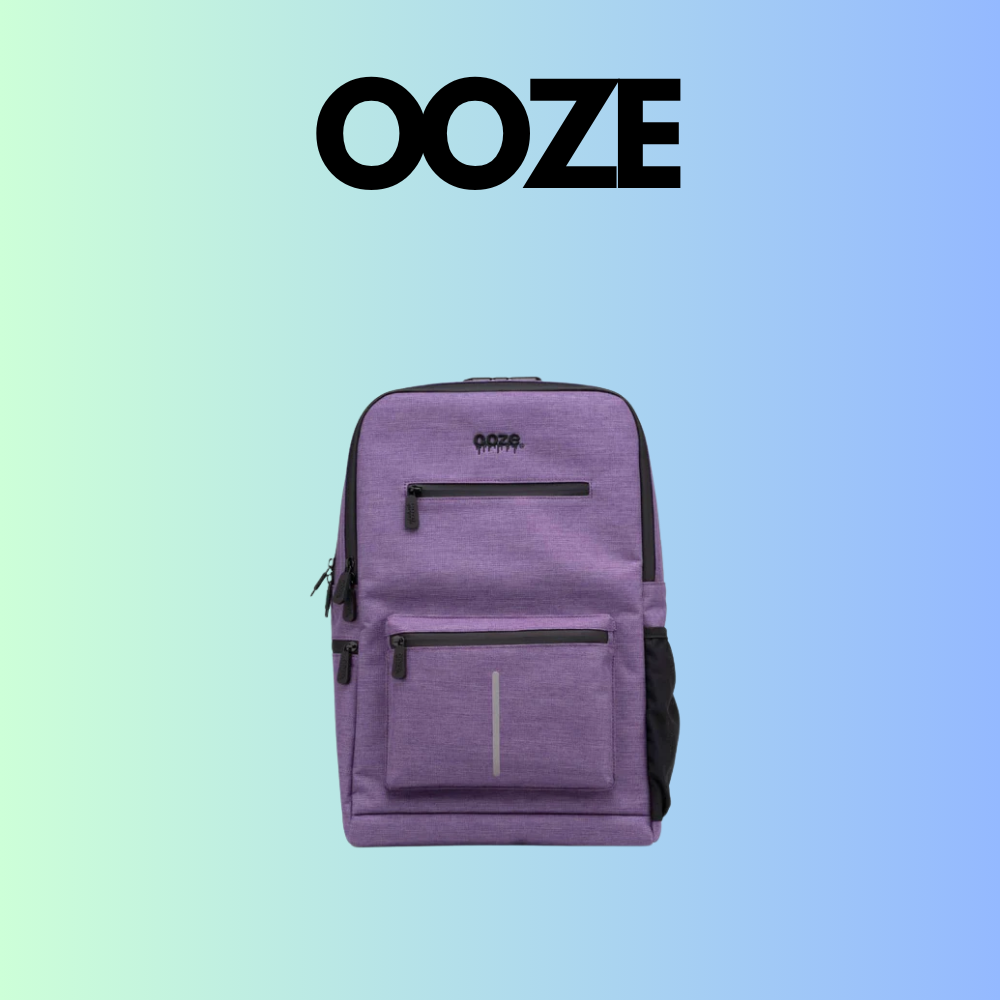
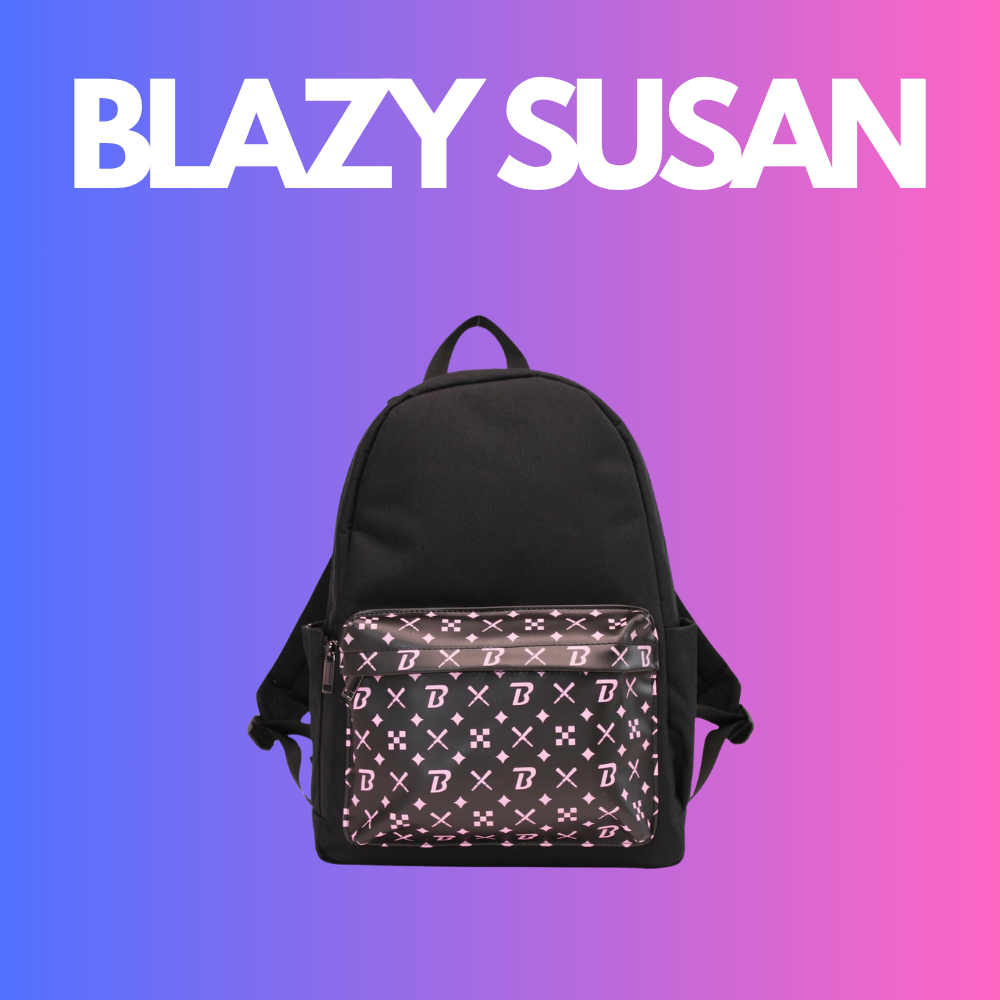
Before you buy, confirm the listing COA matches the package you will receive, especially the product name and batch or lot ID. For discreet storage (and less odor during travel), add a smell-proof stash bag at checkout.
Whole Melts Dual Chamber 2G fit
Whole Melts Dual Chamber THCa Disposable 2G fits when the reader wants variety without buying two devices. Two chambers let you switch between profiles in one unit, which makes early sessions easier to compare and keep consistent.
It stays beginner-friendly because it is draw-activated, so there is no setup or button routine to learn. For flavor exploration, the dual format supports small, spaced pulls from each side to find what tastes best before committing to a single profile.
Big Chief Melted Diamonds 2G fit
Big Chief THCa Melted Diamonds Disposable 2G fits when the priority is on-the-go convenience with minimal handling. A pre-charged, sealed device reduces the friction of carrying extra parts or worrying about leaks in a bag.
Keep the focus on third-party lab testing: verify the COA is posted for the exact batch being sold and that it matches the package in hand. That single check does more for a predictable first purchase than any strain description.
Make your first try predictable, not intense
Most beginners do not need the strongest option. You need the most controllable option you can verify. If you want the lowest-friction start, pick a THCA disposable and treat it like a microdose tool: 1 to 2 short pulls, then wait.
Shop with us at General Shop only after you do the 60 second check: confirm a current COA is posted, then match the COA batch or lot ID to the listing and to the number on your packaging. If anything does not match, do not use it.
For a simple, all-in-one first device, start with Whole Melts Dual Chamber THCa Disposable 2G ($29.99) or Big Chief THCa Melted Diamonds Disposable 2G ($29.99). If you still choose pre-rolls, use the same COA and quality checklist, and add a smell-proof stash bag for discreet storage and delivery-friendly handling.
Frequently Asked Questions
What happens to THCA when I vape it?
When you vape THCA, the device applies heat that converts THCA into THC in real use. That is why a small number of short pulls can feel stronger than expected if you keep going without waiting.
Why does my THCA rosin disposable keep clogging?
Clogs usually come from chain-puffing, aggressive inhales, or storing the device sideways so thick rosin floods the airflow path. Use slow, gentle pulls, pause between hits, and store it upright; if it clogs, try a couple of warm-up pulls before a normal draw.
Is a THCA disposable or preroll better for beginners?
A THCA disposable is typically the better first try if you want discreet use and tighter session control with minimal setup. A pre-roll is better only if you specifically want the smoking ritual and you are willing to accept more variability in how it burns and how harsh it feels.


Leave a comment
This site is protected by hCaptcha and the hCaptcha Privacy Policy and Terms of Service apply.