








THC-A flower is raw, unheated cannabis flower that’s rich in THCA, a non-psychoactive cannabinoid precursor. On its own, THC-A flower is not psychoactive, but once you apply heat (like smoking or vaping), decarboxylation converts THCA into THC and that is what changes the experience.
Here’s what matters most right now:
- THC-A flower is sold as loose raw cannabis flower, not a processed format.
- Heat triggers decarboxylation, which is what activates THCA into THC.
- A COA should include contaminant panels, not just cannabinoid numbers.
- Over-edited photos can hide trim quality and real flower condition.
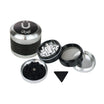
- A grinder helps you get a consistent texture for rolling or packing.
- Checkout typically includes 21+ age confirmation and restricted-state rules.
In our shop, we keep it practical: we curate THC-A flower like DubZotics Grunts THC-A Flower ($4.99+), DubZotics Juicy Fruit THC-A Flower ($9.99+), and DubZotics Face Off OG THC-A Flower ($9.99+), and we recommend checking the COA before you commit. We also flag the basics that make buying smoother, like discreet delivery expectations where allowed, tracking updates, and confirming your state is eligible before you place the order.
Start by getting clear on what THC-A flower looks like before any heat touches it, because what you’re holding in your hand explains almost every effect and quality difference you’ll see later.
THC-A flower before heat: what you are holding
In the most literal sense, you are holding loose, dried, cured cannabis flower buds. It is not a liquid, not a cartridge, and not something that has been pre-processed or infused with added cannabinoids.
You will also see it positioned as hemp-derived THC-A, which is a legal and compliance label used by many retailers. The product itself is still raw flower in a bag or jar, with the active cannabinoid mostly present in its acidic form before you apply heat.
THCA vs THC in plain terms
THCA is what’s naturally sitting on the flower before you heat it. THC is what you get after heat changes THCA through decarboxylation, which is the chemical shift that happens with smoking or vaping.
In raw form, THCA is considered non-intoxicating. That difference is why the same flower can look “strong” on a label, but not feel like much until it is heated in a way that converts THCA into THC.
Labels feel confusing because packaging often highlights the biggest number (THCA %) while your brain is trained to look for “THC.” Add in multiple ways brands name the same thing (THC-A, THCA, tetrahydrocannabinolic acid) and it is easy to think you are buying two different products.
A simple way to think about it is: your bud’s trichomes are loaded with THCA first, and heat is what flips it into THC. NIH cannabinoid research also notes THCA-A is the acidic precursor to THC in raw cannabis, and that acidic vs neutral cannabinoids can behave very differently.
- Raw flower state: THCA-dominant cannabinoid profile
- After heating: more THC present due to decarboxylation
- Common label mismatch: “THCA listed” vs “THC expected”
Why heat changes everything: decarboxylation in real life
With THC-A flower, your experience is shaped by two things: whether you actually activate it with heat, and how potent the starting flower is. Raw flower can smell and taste loud, but that does not automatically translate into strong effects unless THCA is converted.
Timing can vary by person and session, but inhaled use is typically noticed faster than anything that relies on slower absorption. That is also why two people can use the “same” flower and report different results.
We also want to keep this honest: potency and activation help explain outcomes, but they do not let anyone predict an identical experience every time.
Smoking and vaping activate THCA
Smoking and vaping work because heat triggers decarboxylation, converting THCA into THC. That conversion is the switch that changes THC-A flower from “raw” to “active” in real-world use.
In raw form, THCA is considered non-psychoactive, so using flower without meaningful heat tends to feel very different. People often describe raw use as subtle or not noticeable, which lines up with the fact that the compound has not been converted yet. The chemistry behind this is well-established in peer-reviewed decarboxylation studies.
Activation depends on method because different tools deliver different heat profiles. Combustion can convert quickly but is less controlled. Vaping can be more consistent, but results still depend on your device, temperature setting, draw style, and how evenly the material is packed.
Even the same person can get a different outcome if the session is shorter, cooler, or the flower is not heated evenly.
- Hotter, faster exposure can increase conversion, but it can also scorch flavor and shorten the session
- Cooler or shorter sessions can leave more THCA unconverted, which usually means a milder result
- Grind and pack consistency matters because uneven airflow creates “hot spots” and “cold spots” in the bowl or chamber
COAs that are worth your money: what to check fast
A COA is only useful if it proves two things fast: the flower was tested for common contaminants, and the numbers match what you are buying. On the contaminant side, look for panels that include heavy metals, pesticides, residual solvents, and microbiologicals (like mold/yeast).
We also recommend saving a screenshot or PDF of the COA at the time you buy. Listings and links can change, and having your own record makes it easy to compare future batches or resolve a support issue.
THCA percent and total THC math
The fastest potency check is finding the THCA percentage on the cannabinoid results table, usually listed as “THCA” in % by weight. That single line item is what most shoppers are trying to compare across strains.
If the COA also lists “Total THC,” that number is an estimate of how much THC could be available after heat converts THCA into THC. Labs typically calculate it using the 0.877 conversion factor, where Total THC = (0.877 x THCA) + THC.
Keep your expectations realistic across reorders. Even with the same strain name, batch-to-batch variation happens from harvest timing, curing, and storage, so you want to compare COAs by lot, not by marketing copy.
- Where to look: the “Cannabinoids” or “Potency” section, then find the row labeled “THCA” (percent).
- What “Total THC” means: a calculated value that accounts for THCA converting and losing mass during decarboxylation, plus any already-present THC.
- What to do with variation: when you reorder, confirm the new batch’s THCA and Total THC are in the range you are comfortable with before you assume it will feel identical.
Batch match, date, and lab info
A legit COA has to match your exact product run. If the lot or batch number on the COA does not match what’s on the jar or listing, you are looking at a document that may not apply to what you received.
Next, check the test date. You want a recent result for the batch being sold, because age and storage conditions can change what you are actually working with over time.
Finally, confirm it’s a third-party lab and that the lab identity is clear. A COA should show the lab name and enough identifying info to verify the lab is real and contactable, not a cropped screenshot with branding removed.
- Product lot number match: compare the COA “Sample ID,” “Batch/Lot,” or “Product ID” to the package or the product page details.
- Recent test date check: find “Date Collected,” “Date Received,” and “Date Reported,” and avoid COAs with missing dates or dates that do not make sense for the inventory being sold.
- Third-party lab identity: look for the lab name and contact details; missing lab info is a practical red flag because you cannot independently confirm the report.
Quality red flags that show up before you buy
Product photos can be honest, or they can hide quality. Look for clear close-ups that show trim and structure, not just one flattering “hero” shot where you cannot see leafiness, stems, or crushed buds.
Scent and moisture are hard to prove online, so pay attention to cues: listings that claim strong aroma and “sticky fresh” flower but show overly dry, dusty-looking buds are often a mismatch. If the description does not address dryness at all, expect variability.
Set your expectations before checkout on returns and support. You want a real contact method, a clear timeframe for reporting issues, and plain language on what is and is not eligible for return.
Listing claims that do not verify
The fastest way to avoid low-quality THC-A flower online is to make sure the listing can prove what it claims. If the details do not line up with the COA and trace back to a specific batch, you are buying on vibes.
In our support experience, disappointment usually starts when a seller uses strong numbers or big promises, but cannot connect them to a real test result for the exact product run you are ordering. That gap matters because the hemp market has minimal federal testing requirements and no centralized database where results can be independently verified, and consumer fraud investigations have documented fabricated or selectively incomplete COAs.
- Missing COA link: no easy way to view the full lab report before you pay, or you only see a cropped screenshot without lab name and details.
- No batch or lot shown: if there is no sample ID or batch code tying the COA to that exact run, the report could be for a different product or a sample that was never sold.
- Vague potency statements: phrases like “top shelf,” “high THCA,” or “30%+” without a matching COA line item (and date) are marketing, not verification.
Pick your first THC-A flower and the basics you need
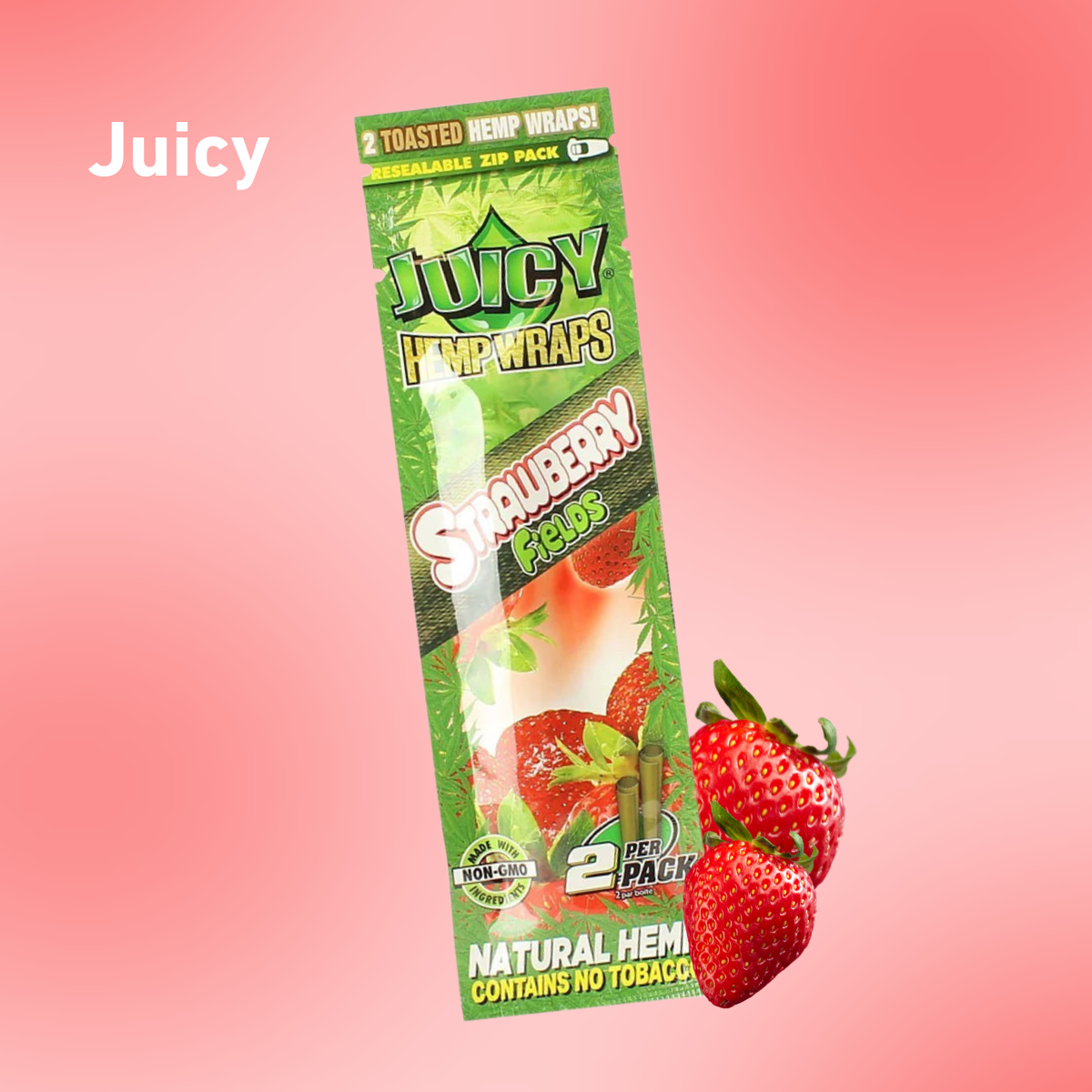
For a clean first purchase, keep your add-ons simple: a grinder for consistent texture, papers or a simple pipe, and airtight storage with humidity control to keep your flower fresh between sessions.
Choose your strain by your vibe
Your best first pick is the one that matches how you actually shop: price, flavor, or a familiar classic profile. All three options below are DubZotics THC-A flower, and you can keep it simple by starting with a smaller quantity before you scale up.
In our experience, most “bad first buys” happen when you chase the loudest name instead of the right fit. A budget pick is great for figuring out your preferred grind, pack, and storage routine. A flavor-forward pick is for people who care about taste as much as effects.
A classic profile is for anyone who wants that traditional, no-surprises feel.
- Budget-friendly start: DubZotics Grunts ($4.99+) when you want a low-risk way to test quality and see how this category fits your routine.
- Flavor-forward pick: DubZotics Juicy Fruit ($9.99+) when you want tropical, fruity notes and a more taste-led experience.
- Classic profile: DubZotics Face Off OG ($9.99+) when you want an OG-style, traditional cannabis profile that feels familiar.
Whichever you choose, store it sealed with humidity control and grind only what you plan to use soon, so you keep the texture and aroma consistent from the first bowl to the last.
Checkout without surprises: age gates, restricted states, discreet delivery
Checkout is built to be compliance-first. You will confirm you are 21+ before payment, and orders typically process within 24 business hours.
After your order is accepted, you will receive tracking updates as the carrier scans the package. Delivery timing depends on carrier routing and scan frequency, so the first scan can take a little time to appear.
Packaging is discreet. Expect a plain outer box or mailer with no product callouts, and a standard shipping label that does not advertise what is inside.
State eligibility happens at checkout
The fastest way to avoid a cancelled order is to assume state rules are enforced at checkout, not after you pay. Your shipping address is validated against current state-by-state restrictions, and the system will block destinations we cannot ship to.
When an order gets blocked, it is usually fixable in minutes. The common fixes are changing the shipping address to an eligible state, correcting a typo (ZIP code, apartment number), or using a different recipient address where you can receive and sign for the package.
Keep your details consistent. The name and address you enter at checkout should match the ID you use for age verification, because mismatches can trigger a hold even when the state is eligible.
In our experience, shoppers run into the fewest issues when they place one clean, compliant order and do not try to edit it repeatedly after submission. Once your address is confirmed, picking your strain is the easy part, whether that is a value pick like DubZotics Grunts THC-A Flower or something more flavor-forward.
- State-by-state shipping restrictions: Your destination state determines eligibility, and some states are blocked automatically.
- Blocked orders and quick fixes: Re-check spelling, ZIP code, and unit number; try an alternate eligible address; make sure the recipient can complete age verification.
- Keep address and ID consistent: Use the same legal name and the same address format across checkout and verification (for example, do not switch between “St.” and “Street” or omit apartment numbers).
Ready to choose THC-A flower with confidence?
If you want effects, remember the key step is heat. THC-A flower stays non-psychoactive until you smoke or vape it, which triggers decarboxylation.
That is why checking a current COA and choosing a strain that fits your budget matters.
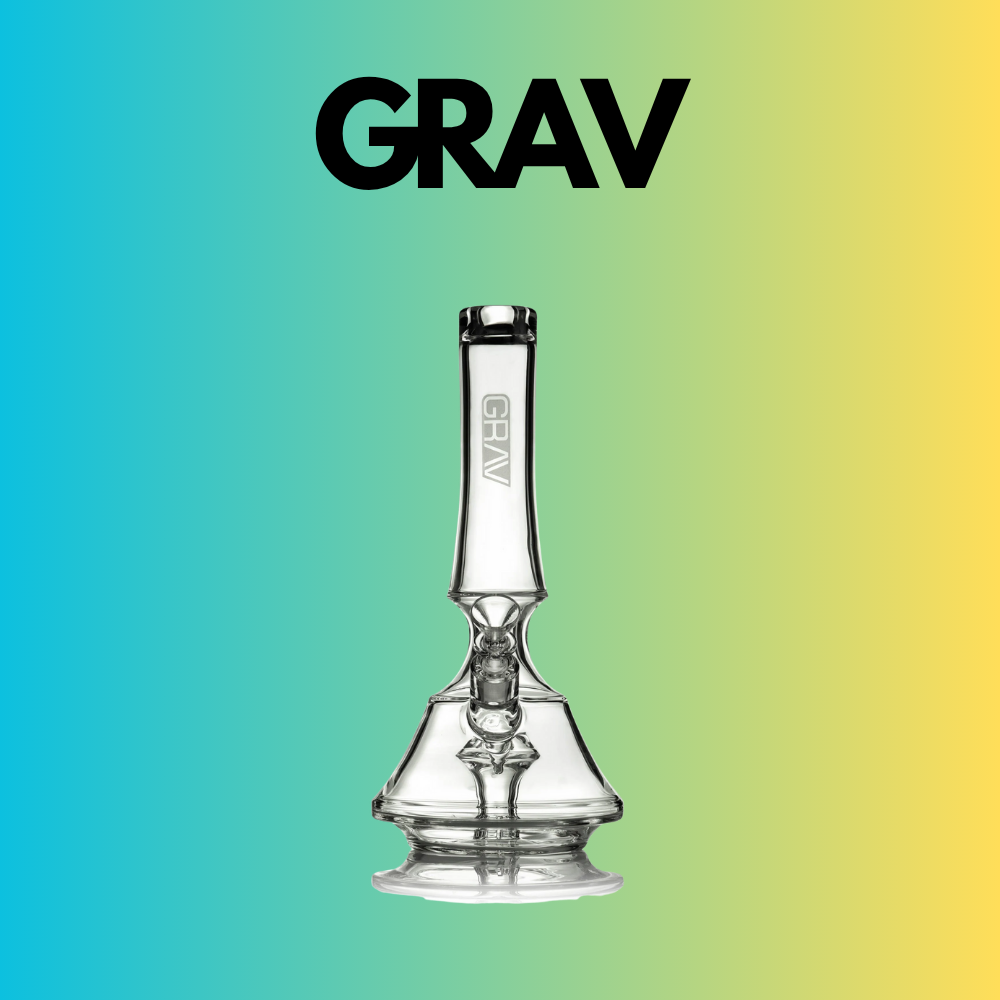
We keep it simple with curated THC-A flower options from DubZotics, like Grunts at $4.99+ if you are starting out, or Juicy Fruit at $9.99+ and Face Off OG at $9.99+ if you want a more dialed-in experience. Add a grinder, rolling papers, and a rolling tray so your prep is consistent.
Quick checkout notes: you must be 21+, eligibility is confirmed state-by-state at checkout, orders ship with tracking, and packaging is discreet where allowed.
Frequently Asked Questions
Will 30% THCA get you high?
THCA by itself is not psychoactive, so the effects depend on heat converting it through decarboxylation. Higher THCA on a COA can mean more potential once activated, but your method and how much you use still matter.
Does lighting THCA get you high?
Lighting THC-A flower applies heat, which can convert THCA into THC through decarboxylation. That is the point where psychoactive effects can kick in, depending on potency and how you consume it.
Do you get a buzz from THCA?
Not from raw THCA alone. Any buzz typically comes after you heat THC-A flower, since activation is what changes THCA into THC.
How should I store THC-A flower to maintain freshness?
Store your flower buds in an airtight container, ideally with humidity control, and keep it out of heat and direct light. Good storage helps preserve aroma, texture, and potency over time.


Leave a comment
This site is protected by hCaptcha and the hCaptcha Privacy Policy and Terms of Service apply.